aceas

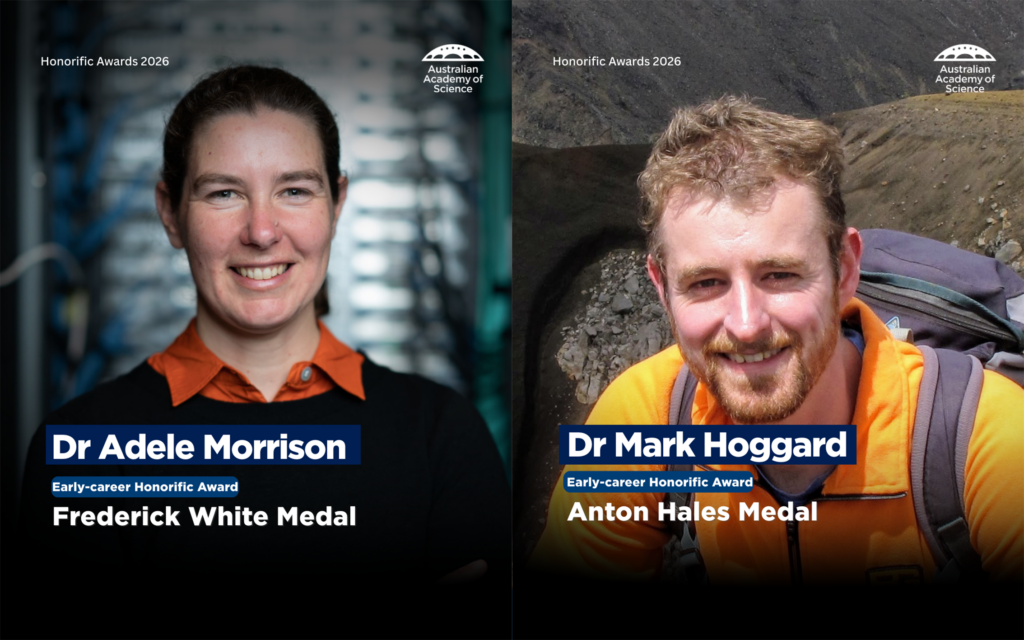
Dr Adele Morrison and Dr Mark Hoggard

ACEAS investigators recognised with prestigious Australian Academy of Sciences 2026 Honorific Awards

ACEAS investigators recognised with prestigious Australian Academy of Sciences 2026 Honorific Awards The Australian Centre for Excellence in Antarctic Science (ACEAS) congratulates two investigators who have been recognised with 2026 Honorific Awards from the Australian Academy of Sciences, celebrating excellence and leadership across the national scientific community. ACEAS Chief Investigator Dr Adele Morrison (Australian National […]
ACEAS investigators recognised with prestigious Australian Academy of Sciences 2026 Honorific Awards Read More »

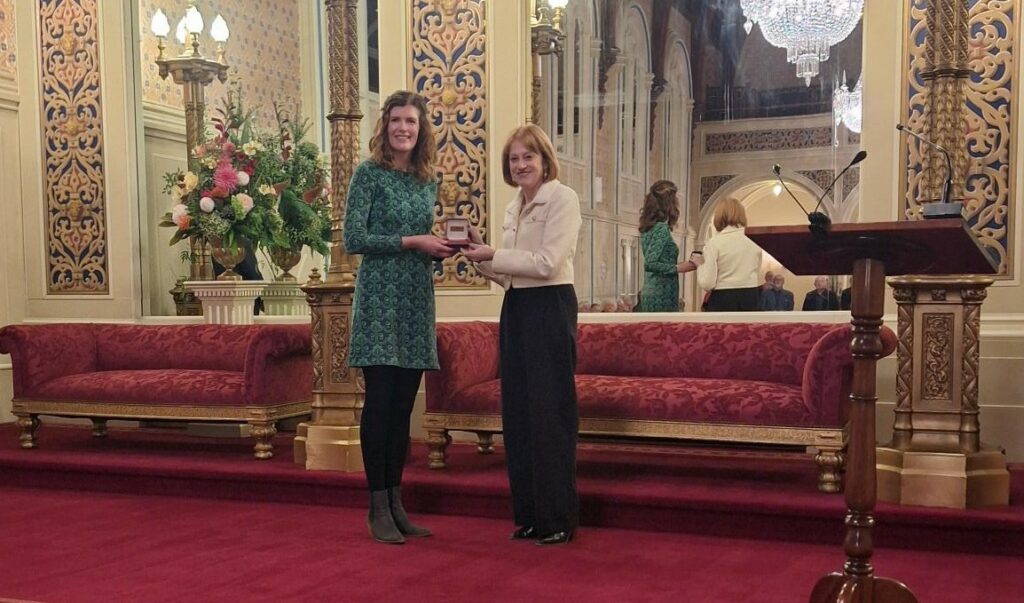
Dr Jacqueline Halpin receiving her award from the Royal Society of Tasmania.

ACEAS Chief Investigator awarded Banks Medal by Royal Society of Tasmania

ACEAS Chief Investigator awarded Banks Medal by Royal Society of Tasmania Australian Centre for Excellence in Antarctic Science (ACEAS) Chief Investigator, Associate Professor Dr Jacqueline Halpin from the University of Tasmania, has been awarded one of Tasmania’s most prestigious scientific honours, the Max R. Banks Medal, by the Royal Society of Tasmania. The medal recognises

ACEAS Chief Investigator awarded Banks Medal by Royal Society of Tasmania Read More »

In the Marginal Ice Zone, ocean waves break up the ice and lead to smaller floes that melt faster during spring and summer. Photo: Rob Bryson AAD

‘MIZ-ing’ in action: how much of Antarctic sea ice is affected by waves?

‘MIZ-ing’ in action: how much of Antarctic sea ice is affected by waves? Using old satellite radar techniques, scientists have developed a new way of measuring the true extent of an under-studied and crucial region of the Antarctic sea-ice system for the first time. The Marginal Ice Zone (MIZ) around Antarctica is the ‘outer edge’

‘MIZ-ing’ in action: how much of Antarctic sea ice is affected by waves? Read More »

Professor Philip Boyd

Marine biogeochemist Professor Philip Boyd honoured by Australian Academy of Science

Marine biogeochemist Professor Philip Boyd honoured by Australian Academy of Science Professor Philip Boyd has been elected a Fellow of the Australian Academy of Science in recognition of his research, which has fundamentally advanced global understanding of the links between ocean processes, the carbon cycle and climate change. Professor Boyd is a marine biogeochemist in

Marine biogeochemist Professor Philip Boyd honoured by Australian Academy of Science Read More »

A group of Antarctic fur seals on Marion Island. Antarctic fur seals have recently been listed as Endangered on the IUCN Red List. Credit: Chris Oosthuizen.

Endangered Antarctic fur seals reveal resilience – and hidden risks – in a changing ocean

Endangered Antarctic fur seals reveal resilience – and hidden risks – in a changing ocean Circumpolar Antarctic fur seals may all look alike on the surface but new research shows they are anything but identical in how they survive in a rapidly changing ocean. A new study led by Dr Noémie Friscourt from the Institute

Endangered Antarctic fur seals reveal resilience – and hidden risks – in a changing ocean Read More »

Seawater ponding on ice floes, and snow loss, reduces the ability of the ice to reflect sunlight, leading to surface melting in summer. Photo: Rob Massom.

From flooding to ‘greening’ – how ocean waves contribute to the seasonal melting of Antarctic sea ice

From flooding to ‘greening’ – how ocean waves contribute to the seasonal melting of Antarctic sea ice A possible ‘missing link’ in what drives the rapid melt back of Southern Ocean sea ice each summer has been identified in a new study by an international team, led by Australian Antarctic Program* scientists. Study leader Dr

From flooding to ‘greening’ – how ocean waves contribute to the seasonal melting of Antarctic sea ice Read More »

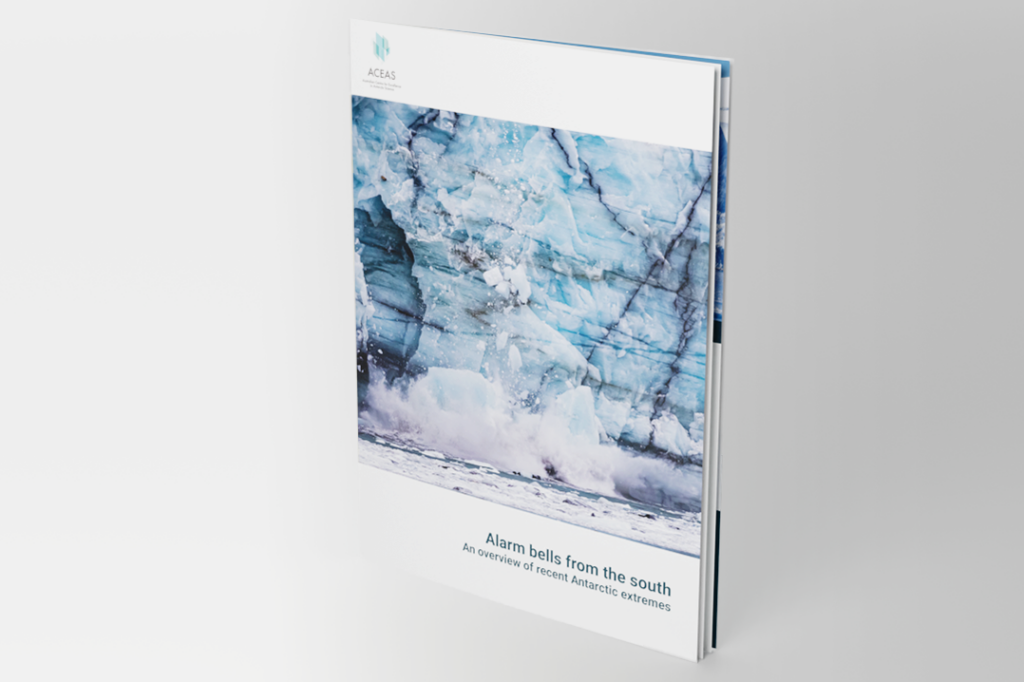
Alarm bells from the south: an overview of recent Antarctic extremes

Warning signs from Antarctica: new ACEAS explainer brings recent extremes into focus

Warning signs from Antarctica: new ACEAS explainer brings recent extremes into focus Antarctica may feel remote from everyday life in Australia, but recent events show just how closely connected the frozen continent is to our shores. A new explainer from the Australian Centre for Excellence in Antarctic Science (ACEAS) brings together some of the most

Warning signs from Antarctica: new ACEAS explainer brings recent extremes into focus Read More »