Marine biogeochemist Professor Philip Boyd honoured by Australian Academy of Science
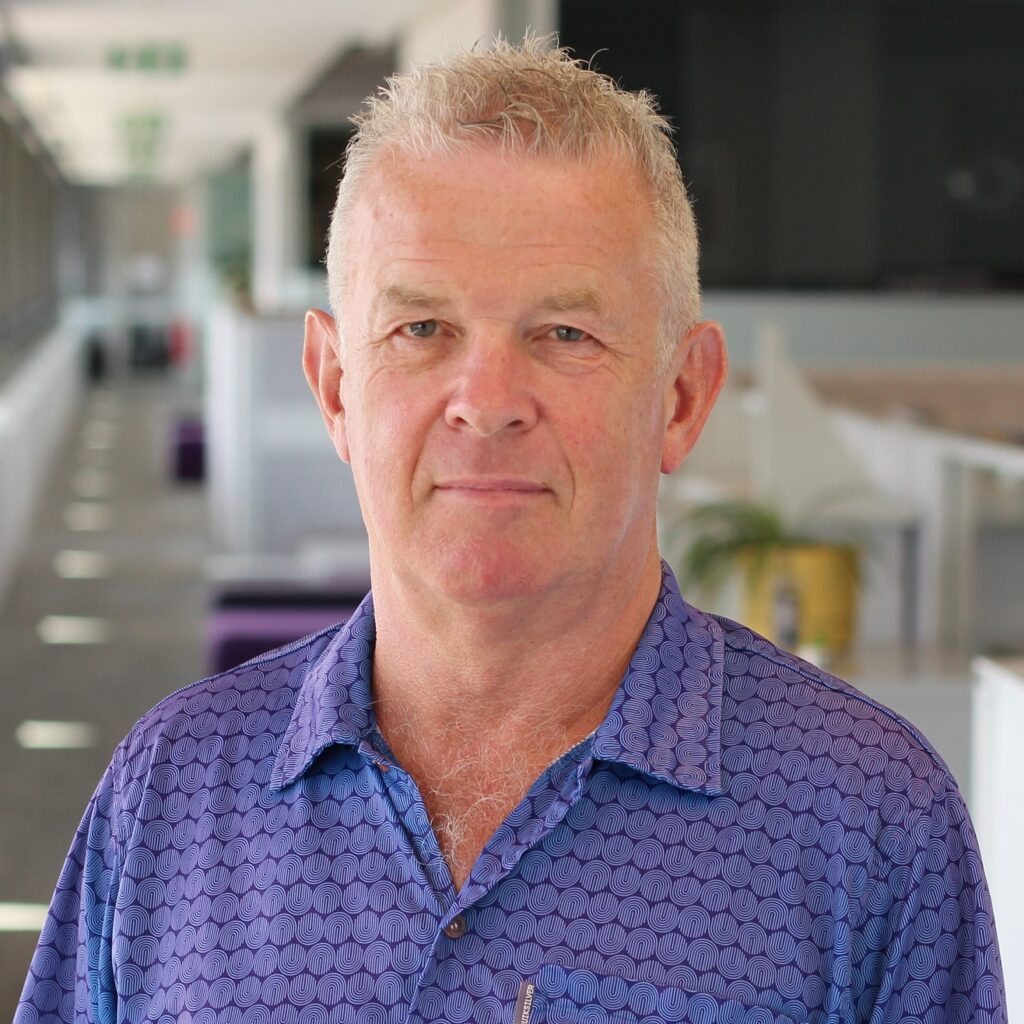
Professor Philip Boyd has been elected a Fellow of the Australian Academy of Science in recognition of his research, which has fundamentally advanced global understanding of the links between ocean processes, the carbon cycle and climate change.
Professor Boyd is a marine biogeochemist in the Centre for Ecology and Biodiversity at the University of Tasmania’s Institute for Marine and Antarctic Studies (IMAS) and is a Chief Investigator with the Australian Centre for Excellence in Antarctic Science (ACEAS).
He joins a select group of researchers recognised by their peers for outstanding contributions to scientific knowledge and innovation. Fellows of the Academy are among Australia’s most distinguished scientists, elected for research that has had a clear and lasting impact.
The Fellowship is one of the nation’s highest scientific honours and recognises Professor Boyd’s outstanding contributions to science. It follows his election in 2025 as a Fellow of the Royal Society, the United Kingdom’s national academy of sciences and one of the world’s oldest and most prestigious scientific institutions.
His research has revealed how environmental factors – particularly micronutrients such as iron – regulate the productivity of ocean ecosystems across past, present and future climates.
He has also led groundbreaking studies into how carbon captured by marine plankton is transported into the deep ocean, shaping scientific understanding of the ocean’s role in absorbing atmospheric carbon dioxide and moderating climate change.
This work is critical to improving projections of climate change and assessing the potential – and limitations – of ocean-based carbon sequestration strategies at global scales.
Professor Boyd’s influence extends well beyond Australia. He has served as a lead author on ocean science chapters for the Intergovernmental Panel on Climate Change (IPCC), contributing to both the Fifth (2014) and Sixth (2022) Assessment Reports. He has also played a leading role in international ocean science initiatives, including co-chairing a United Nations advisory working group on ocean interventions for climate change mitigation.
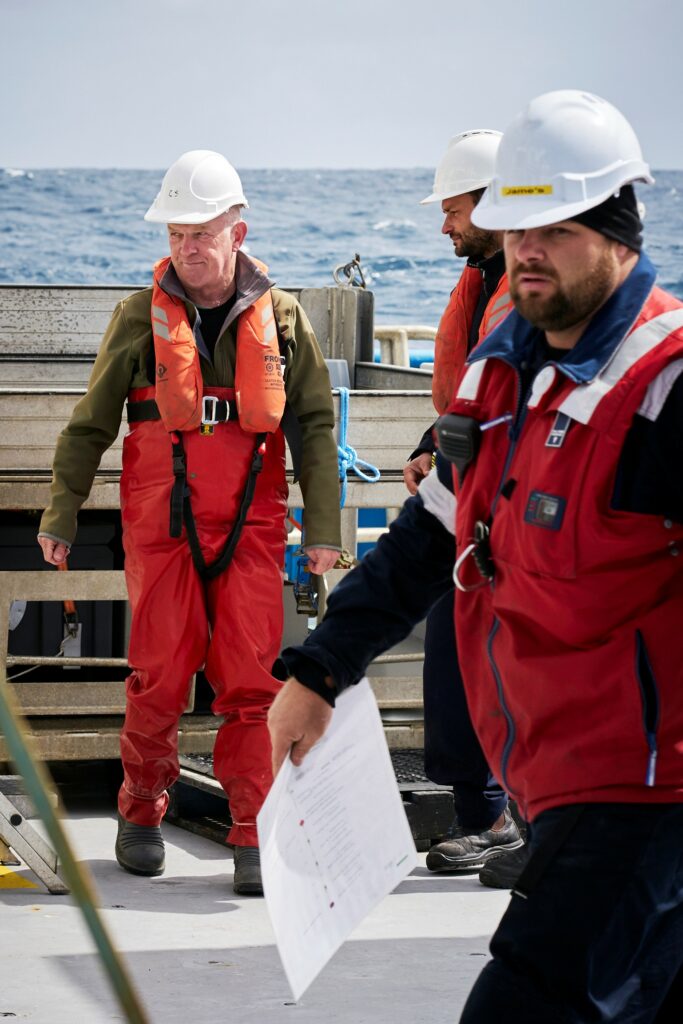
ACEAS Director Professor Matt King said the recognition reflects both Professor Boyd’s outstanding career and the global importance of his research.
“Professor Boyd’s work has transformed our understanding of how the ocean regulates climate, particularly through the role of the Southern Ocean in storing carbon,” Professor King said.
“His election to the Australian Academy of Science is richly deserved and highlights the calibre of research being delivered through ACEAS.”
Within ACEAS, Professor Boyd’s expertise is helping to advance understanding of the Southern Ocean and its critical role in the Earth system. His recognition as a Fellow of the Australian Academy of Science also reflects the strength of Australian Antarctic research and its important contribution to addressing complex environmental challenges.
Read some of Professor Boyd’s recent research outputs
- The role of biota in the Southern Ocean carbon cycle, Nature Reviews
- Emerging evidence of abrupt changes in the Antarctic environment, Nature
- Impacts of Antarctic summer sea-ice extremes, PNAS Nexus
- The Contribution of Deep Chlorophyll Maxima to Net Primary Production in the Southern Ocean, Global Biogeochemical Cycles
Subscribe to our newsletter
For more Antarctic news and stories, subscribe to our mailing list here.