Farewell to ACEAS Director, Professor Matt King
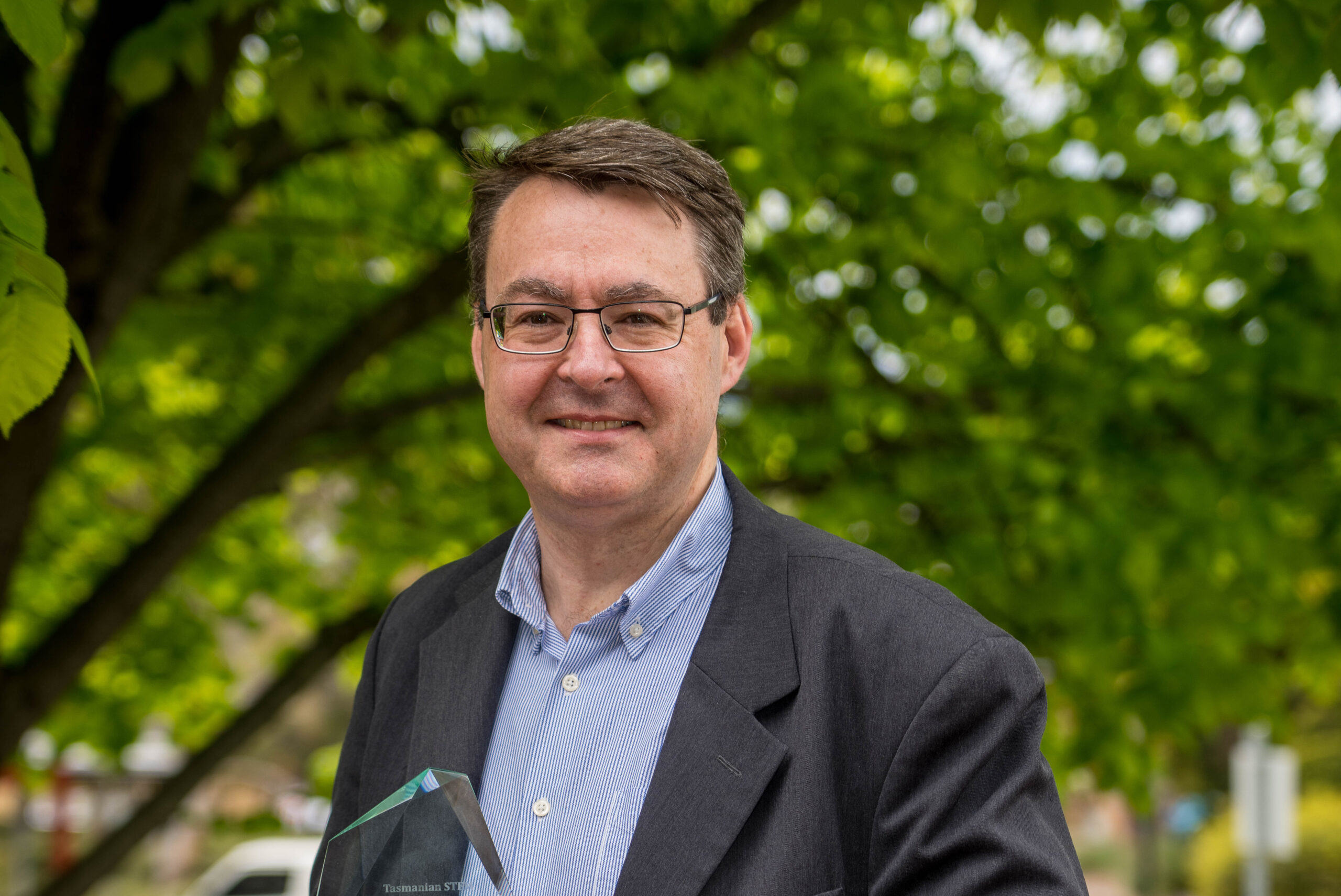
July marks a significant milestone for ACEAS as we farewell our inaugural Director, Professor Matt King from the University of Tasmania, who has led the Centre since its establishment in 2021.
Over the past five years, Professor King has played a pivotal role in shaping ACEAS into a nationally connected centre of excellence, building a strong research consortium and positioning the Centre to make a major contribution to understanding Antarctica, the Southern Ocean and climate risk.
Known throughout the Antarctic research community for his tireless advocacy of polar science – and why it matters to Australia and the world – Professor King has also been deeply committed to supporting the next generation of researchers.
While stepping down as Director to focus on his ARC Laureate Fellowship, Professor King remains closely connected to ACEAS as a Chief Investigator and will oversee the submission of our final report to the Australian Research Council. He leaves the Centre in a remarkably strong position to continue delivering world-leading Antarctic and Southern Ocean research and impact.
We caught up with Professor King to reflect on his time leading ACEAS, the achievements he is most proud of, and what comes next.
For a bit of scene setting, can you take us back to the original ACEAS proposal. Why did you propose ACEAS and what did that process look like?
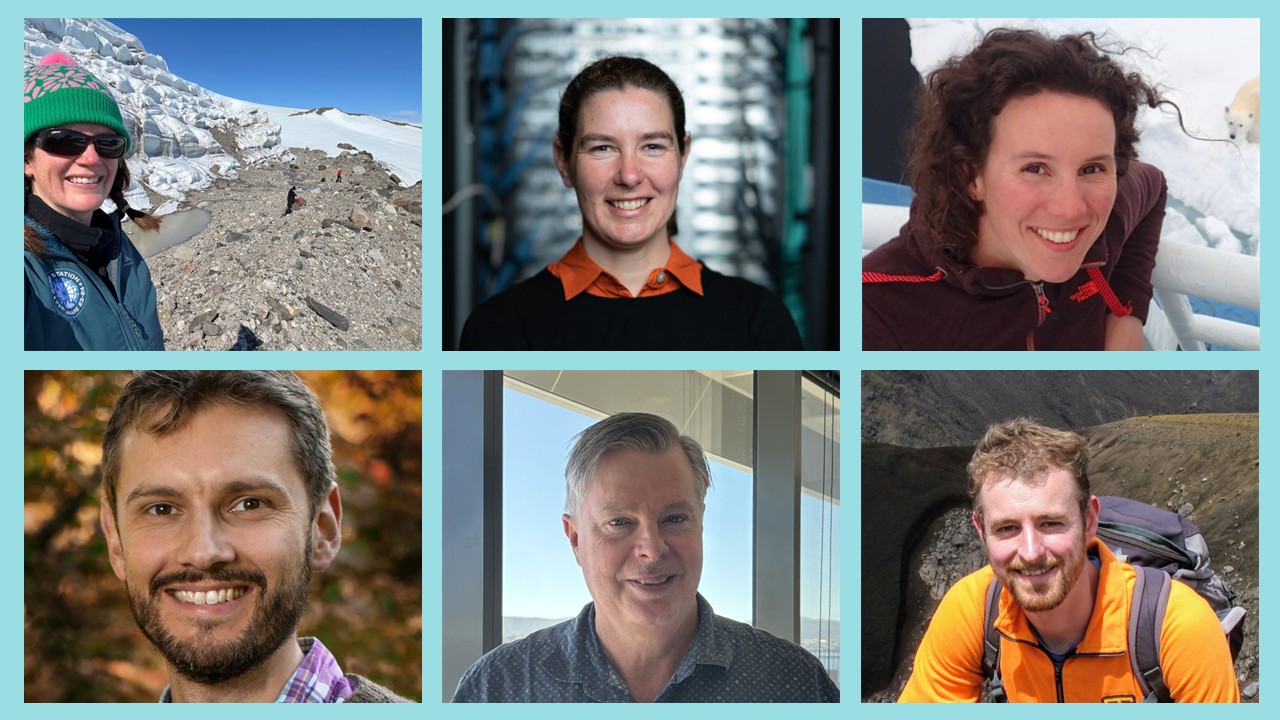
The ARC-funded Antarctic Gateway Partnership (AGP) finished its funding in 2019 and so everyone was looking to what was going to come next, especially at the University of Tasmania where AGP was based. The Federal Government announced that the replacement ARC funding would be competitive and open to all universities, so this created an opportunity build a national partnership. I was asked to lead a bid and the first step was talking to people from across Australia and building a team. I and others at UTAS quickly identified some key groups we wanted to include and then we formed a core working team from UTAS, UNSW and ANU including Philip Boyd, Matt England, Nerilie Abram, Leanne Armand, Zanna Chase, and others.
What are you most proud about what ACEAS has been able to achieve since its inception?
We built a national collaboration out of what had previously been a Tasmania-focused activity. This allowed us to do great science together, but it also allowed us to develop careers of dozens of early career researchers, including giving many the first chance to go to Antarctica or get world-class training. We published a LOT of amazing work, both high profile and deep, detailed work. It is all valuable. It’s always exciting to see researchers publish their first paper or present at their first international conference, and we enabled a lot of that. We built new predictive capabilities, especially in ocean modelling, and collected data that literally filled gaps in maps.
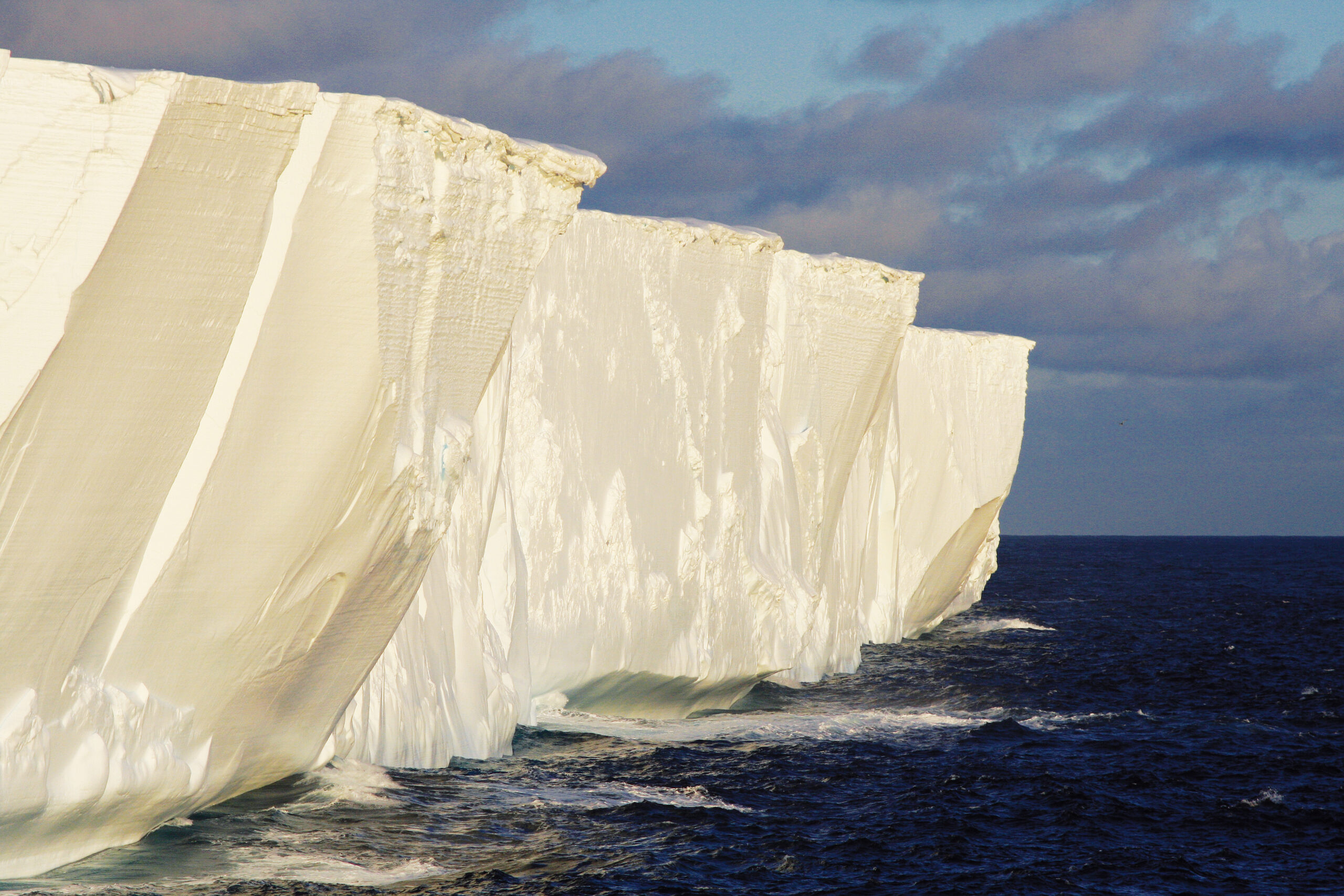
The Deman Marine Voyage was a core part of the original ACEAS proposal – complementing the Denman Terrestrial Campaign – and is now a central focus of ACEAS extension over the next two years. Why the focus on Denman?
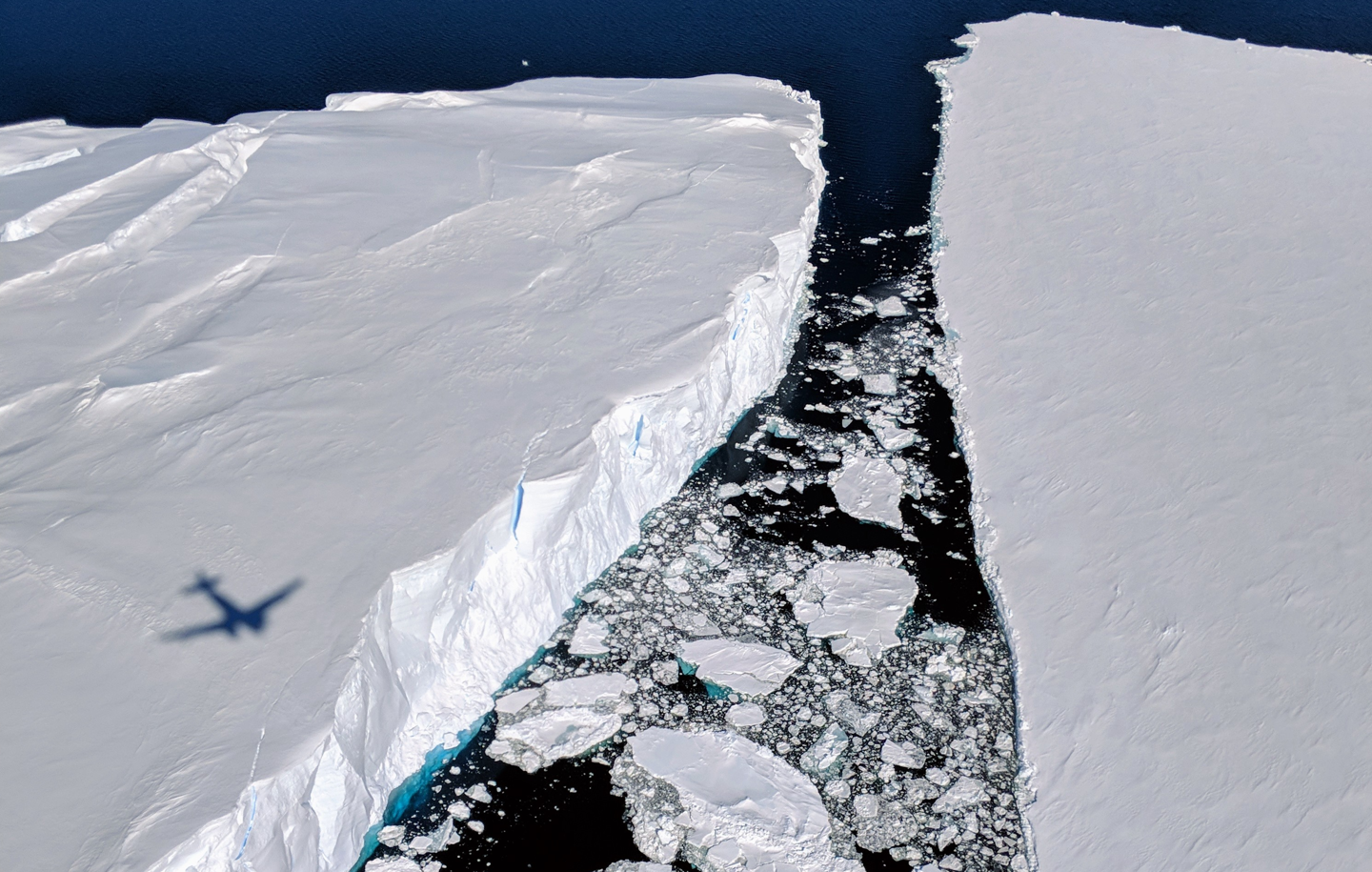
Right from the start we wanted to tackle a big unknown in the field that would bring together the terrestrial and marine perspectives, observations, and models, to make sense of funding a centre rather than many small projects. Australia’s new icebreaker was on the horizon and there was a chance to use it for an extended period to study the Denman–Shackleton region which, at the time, we knew little about other than it held 1.5m of potential sea level and there were hints of it changing. Maybe it was my spatial sciences background, but I felt there was value in having a geographical focus to a key part of our work. We dreamed even bigger though – of a 7yr program that also included the Wilkes Subglacial Basin – hopefully, that will come down the track!
What are your plans post ACEAS? Can you tell us a bit more about your plans with your ARC Laureate Fellowship?
Yes, I was fortunate to be one of three people to get a Laureate Fellowships during the life of ACEAS (with Anya Reading and Nathan Bindoff). The work of my new team will focus on how much East Antarctica is contributing to sea level. It’s a simple question but full of uncertainty – we don’t even know with confidence if it is growing or shrinking. I’m building a team of postdocs and PhD students to work on various aspects of this problem, combining observations and models and new approaches. So, it’s another chance to invest in early career researchers but this time with a focus on my area of expertise!
How do you feel to be handing over the reins, and is there anything else you would like to share?
Jo Whittaker is an excellent person and leader, and I was delighted when she was appointed to take over ACEAS. This will breathe new life into ACEAS, especially as Jo has skin in the game in the Denman fieldwork, having been involved in the Denman Marine Voyage. This tight focus on this region, but with reduced overall funding, also reminds me that there’s a lot more that needs focus – and Australia’s Antarctic community is now looking to the next funding scheme. We really do need to get to a position where our funding is rolling 10yr support and at a level that enables us to more fully implement the Australian Antarctic Decadal Strategy.
Subscribe to our newsletter
For more Antarctic news and stories, subscribe to our mailing list here.