Postdoctoral Research Associates
Wilton Aguiar
Research Associate – High Resolution Modelling
Social Links


Current ACEAS Activities:
My research at ANU aims to understand two main processes: The ocean heat transport in the Southern Ocean towards the ice shelves and the ocean model constraints to form Antarctic Bottom Waters realistically. Answering these questions requires high-resolution ocean simulations, my primary research tool.
Biography
I am an ocean modeller and oceanographer with PhD from the Federal University of the Rio Grande (FURG)– in Brazil. As an oceanographer, I have a diverse interest in ocean sciences that ranges from understanding Southern Ocean dynamics to using ocean isotopes to derive past ocean states. More specifically, I am interested in the following topics: paleoceanography, Southern Ocean circulation during glacial and interglacial periods, ocean-atmospheric carbon exchange, and Antarctic margin dynamics.
Awards/Grants
Selected Publications
Current ACEAS Activities:
I am currently investigating the carbon cycle in the Southern Ocean during the Miocene, the last time the atmospheric CO2 level is comparable to the present. I will use stable isotopes and trace elements of microfossils to reconstruct Southern Ocean seawater chemistry in the past. Based on these reconstructions, I will try to understand the feedback between CO2 and the Southern Ocean phytoplankton productivity in a warm climate. I hope this work can provide insights into responses of the Earth’s climate to future atmospheric CO2. I will also investigate modern Polar Southern Ocean biogeochemistry using samples from upcoming Antarctic research voyages.
Biography
I am a paleoclimatologist who uses palaeoceanographic proxies to investigate past changes in the marine carbon cycle during various time intervals. My main expertise lies in analyses of trace elemental and isotopic composition of marine microfossils, especially boron isotopes in foraminifera and silicon isotopes in biogenic silica. I am interested in carbon and silica cycle changes spanning the last glacial cycle through to the Early Eocene.
Selected Publications
| Dai, Yuhao, et al. "Deglacial Subantarctic CO2 outgassing driven by a weakened solubility pump." Nature Communications 13.1 (2022): 5193. |
| Dai, Yuhao, Jimin Yu, and Patrick A Rafter. "Deglacial ventilation changes in the deep Southwest Pacific." Paleoceanography and Paleoclimatology 36.2 (2021): e2020PA004172. |
| Dai, Yuhao, et al. "Influences of temperature and secondary environmental parameters on planktonic foraminiferal Mg/Ca: A new core‐top calibration." Geochemistry, Geophysics, Geosystems 20.9 (2019): 4370-4381. |
| Dai, Yuhao, Jimin Yu, and Heather JH Johnstone. "Distinct responses of planktonic foraminiferal B/Ca to dissolution on seafloor." Geochemistry, Geophysics, Geosystems 17.4 (2016): 1339-1348. |
| Yu, J, L Menviel, ZD Jin, DJ Thornalley, S Barke, G Marino, EJ Rohling, Y Cai, F Zhang, X Wang, Yuhao Dai. Sequestration of carbon in the deep Atlantic during the last glaciation. Nature Geoscience 9.4 (2016):319-24. |

Current ACEAS Activities:
My research at ACEAS is designed to understand Volcanism and Geothermal Heat Flow in the West Ice Shelf to Denman sector of East Antarctica. Geothermal heat flow is important because it influences ice sheet dynamics and basal ice sheet melting. The contribution of volcanism to geothermal heat flow in Antarctica is not well quantified but critical to understand in the face of a changing climate and the subsequent impact on the Antarctic ice sheet. Gaussberg (active during the last glacial period) is the only known volcano in East Antarctica. However, volcanic seamounts were recently identified offshore from Denman Glacier during the 2024 East Antarctic Ice Sheet Instability 3 (EASI3) voyage. Together with ACEAS collaborators and others I will use new observations and samples taken at Gaussberg volcano, East Antarctica during EASI3 and data from geological samples and observations collected during the 2025 ACEAS Denman Marine Voyage to understand the age and type of volcanism that has occurred in the West Ice Shelf-Denman sector and assess past and potential future contributions of volcanism to geothermal heat flow.
Biography
My research has had been broadly concerned with volcanoes that erupt in submarine and sub-glacial environments and understanding the interplay between volcanic processes and the surrounding environment. After completing my undergraduate degree, I worked in industry for five years before returning to university to complete a PhD in the physical volcanology of submarine to emergent intraplate volcanism in Tasmania and at the Subantarctic Heard Island. Following my PhD I have conducted laboratory and field-based studies in Australia and Japan, mostly centered around volcanism in the Subantarctic, East Antarctica and the Antarctic Peninsula region. I am interested in multidisciplinary and transdisciplinary studies and opportunities to improve the inclusivity of science.
Significant awards/Grants
Japan Society for the Promotion of Science Post Doctoral Fellowship 2022-2024
Selected Publications
| Fox, JM, Watson, SJ, Falloon, TJ, Carey, RJ, Whittaker, JM, Spain, EA, Duncan, RA, Arculus, RJ & Coffin MF, Accepted, Offshore evidence for volcanic landslide post Last Glacial Maximum at sub-Antarctic Heard Island, southern Indian Ocean, Volcanica |
| Fox, JM, Falloon, TJ, Carey, RJ, Watson, SJ, Duncan, RA, Olin, PH, Arculus, RJ & Coffin MF, 2024, McDonald Islands phonolitic lavas: Evidence for zonation of the Kerguelen Plume. Geochemistry, Geophysics, Geosystems, 25, e2024GC011854. DOI: 10.1029/2024GC011854 |
| Fox, JM, McPhie, J, Carey, RJ & Jourdan, F, 2023, Revised stratigraphy and first geochronology of the Miocene submarine volcanic succession at Kennaook/Cape Grim, northwestern Tasmania, Australian Journal of Earth Sciences, DOI: 10.1080/08120099.2023.2181870 |
| McCarthy, A, Magri, L, Sauermilch, I, Fox, JM, Seton, M, Mohn, G, Tugend, J, Feig, S, Falloon, T, & Whittaker, J, 2022, The missing link: a supra-subduction zone ophiolite atop the Louisiade Plateau. Tectonophysics, https://doi.org/10.1111/ter.12578 |
| Fox, JM, McPhie, J & Carey, RJ, 2021, Construction of an intraplate island volcano: The volcanic history of Heard Island, Bulletin of Volcanology, 83, 37, DOI: 10.1007/s00445-021-01452-5 |
Katharina Hochmuth
Research Associate – Tectonics and Ice Sheets
E: Katharina.Hochmuth@utas.edu.au
Social Links

Current ACEAS Activities:
The sedimentation offshore the Australian East Antarctic margin has been strongly influenced by the dynamics of the East Antarctic ice sheet as well as the tectonic remnants of the opening of the Southern Ocean and the separation between Australia and Antarctica.
As part of ACEAS, Katharina will focus on the reconstruction of sedimentation behaviour from various ice streams through time, revealing regional changes in the ice sheet and erosional dynamics and closely collaborates with other geologists, and geophysicists as well as the modelling community within ACEAS and beyond.
As part of the Denman glacier voyage, we hope to collect new datasets in this so far completely unsurveyed part of the continental shelf to work towards a better understanding of this vulnerable part of the East Antarctic ice sheet.
Biography
Katharina is a marine geophysicist. Her main research interests include the reconstruction of the interaction between icesheets, the oceans and the solid earth through time by interrogating geophysical datasets such as seismic reflection data, downhole-logging data as well as data collected on sediment cores. She enjoys working in interdisciplinary groups and learning new and exciting things about our planet.
After obtaining her PhD at the Alfred-Wegener-Institute Helmholtz Center for Polar and Marine Research on plate tectonic reconstruction of the West Pacific and its Large Igneous Provinces, Katharina embarked on a project to reconstruct the paleobathymetry of the Southern Ocean to map large scale developments in sedimentation and plate-tectonics throughout the Cenozoic. This first compilation of all available reflection seismic data revealed astonishing basin-wide developments within the Southern Ocean and allows for more realistic boundary conditions for paleoocean- and icesheet modelling.
In 2019, Katharina joined the University of Leicester in the United Kingdom to work with the European Consortium of Ocean Research Drilling (ECORD) Science Operator as part of the International Ocean Discovery Project (IODP). In this operational -focused role, Katharina served as the petrophysics staff scientist on IODP Expedition 386 “Japan Trench Paleoseismology” as well as an operator representative on e.g. the IODP Science Evaluation Panel, supporting researchers towards a successful IODP expedition. Katharina will sail as downhole-logging specialist on IODP Exp. 395: “Reykjanes Ridge: Mantle Convection and Climate” (2023), which focuses on understanding the behaviour of ocean gateways in interplay with a mantle plume and an evolving ice sheet.
Katharina has extensive experience in shipboard geoscientific data collection having participated in multiple research expeditions to the Southern Ocean as well as to the central Pacific. She enjoys collecting data hands-on on deck as well as in the lab. The highlight of her seagoing career so far, was expedition PS-104 to the Amundsen Sea Embayment, which included the first ever use of a seafloor drill rig on the Antarctic continental shelves.
As part of the organizational team of the “Glacial Sediment School” – a PhD training school about polar sediments from both poles, Katharina enjoys teaching and supporting other early career researchers on their PhD journeys.
Scientific Committee Memberships
| SCAR-INSTANT (Scientific Committee of Antarctic Research Scientific Research Programme: Instabilities and Thresholds in Antarctica) |
| SCAR-INSTANT subgroup: Antarctic Geological Boundary Conditions |
Awards / Grants
| NERC (UK) IODP Moratorium funding: “Wire-line tap on the construction of the North Atlantic Deep Water” – Exp. 395C |
| Travel Grant through SCAR Capacity Building, Education and Training (CBET) Committee for the attendance of Polar2018 SCAR/IASC Open Science Conference in Davos, Switzerland |
Selected Publications
| Hochmuth, K., Gohl K., Leitchenkov G., Sauermilch I., Whittaker J., DeSantis L., Uenzelmann-Neben G., Davy B.: The evolving paleobathymetry of the circum-Antarctic Southern Ocean since 34 Ma - a key to understanding past cryosphere-ocean developments, 2020, Geochemistry, Geophysics, Geosystems, 21(8), https://doi.org/10.1029/2020GC009122 |
| Hochmuth, K. and Gohl, K.: Growth of Antarctic continental shelves since establishment of a continent-wide ice sheet: patterns and mechanisms, 2019, Paleogeography, Paleoclimatology, Paleoecology, 520, pp. 44-54, doi:10.1016/j.palaeo.2019.01.025 |
| Uenzelmann-Neben, G., Gohl, K.,Hochmuth, K., Klages, J., Larter, R., Salzmann, U., Hillenbrand, C.-D., and the science team of Expedition PS-104: Deep water inflow slowed offshore expansion of the West Antarctic Ice Sheet at the Eocene-Oligocene transition, 2022, Nature Communications Earth & Environment, 3, 63, doi:10.1038/s43247-022-00369-x |
| Straume, E.O., Gaina, C., Medvedev, S.,Hochmuth, K., Gohl, K.,Whittaker, J.M., Abdul Fattah, R., Doornenbal, J.C.,Hopper, J.R.}}{GlobSed: Updated Total Sediment Thickness in the World's Oceans, 2019, Geochemistry, Geophysics, Geosystems, doi:10.1029/2018GC008115 |
| Paxman, G. P. G., Jamieson, S., Hochmuth, K., Gohl, K., Bentley, M. J., Leitchenkov, G.,Ferraccioli, F., Reconstructions of Antarctic topography since the Eocene - Oligocene boundary, 2019, Palaeogeography, Palaeoclimatology, Palaeoecology, doi:10.1016/j.palaeo.2019.109346 |
Associated links

Current ACEAS Activities:
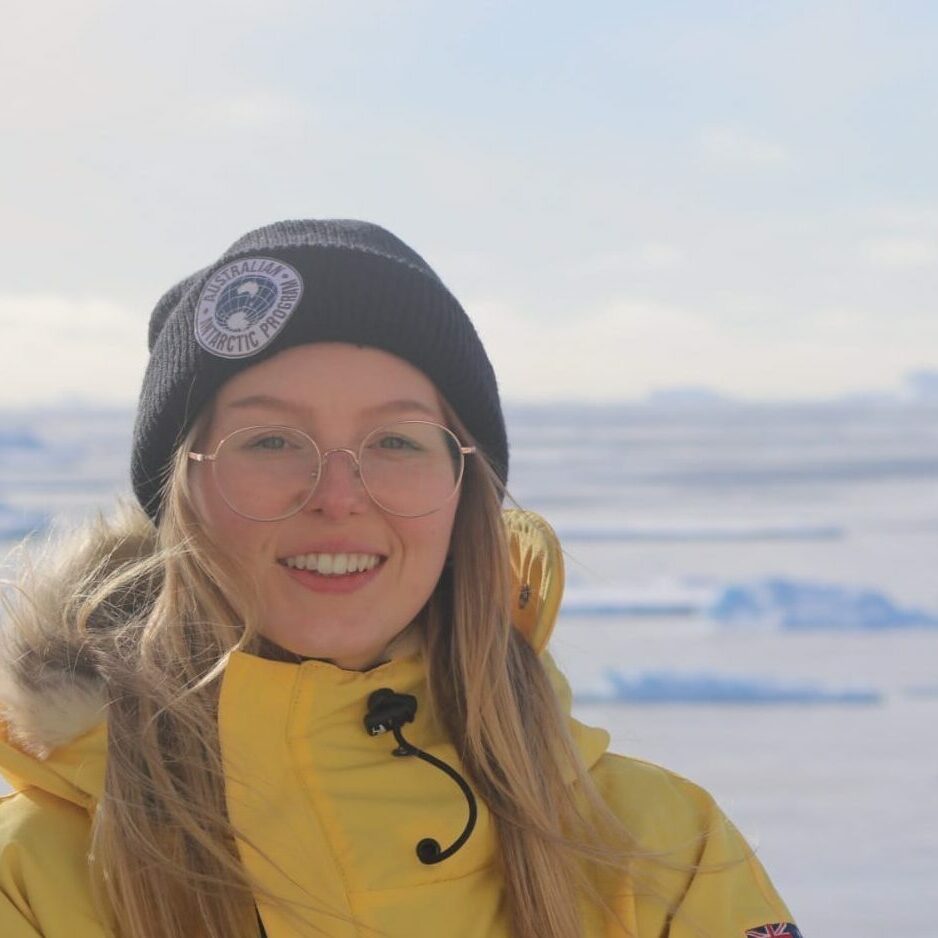
My research at ACEAS will leverage expertise in diatom (phytoplankton) taxonomy to address outstanding questions related to the Denman marine region, which is vulnerable to climate change. Diatoms are important because: 1) they are significant contributors to the Southern Ocean carbon sink, 2) they comprise a major constituent of the lowest trophic level and therefore pose a major influence on Southern Ocean ecology and 3) they fossilise well due to their ornate silica frustules and can record major regional changes in the past.
Firstly, I am interested in examining the community composition of a sinking autumn bloom captured in CTD water samples on the 2025 Denman Marine Voyage, as this will yield insight into processes influencing species succession and phenology. This will support the second part of this project as a proxy validation mechanism; I also aim to develop a middle-late Pleistocene paleo-record for the region, primarily using the paleoecology of fossilised diatom assemblages. This will provide significant foundational context for the long-term evolution of this vulnerable region.
Biography
Molly is a diatom taxonomist with an interest in modern ecology as well as palaeoecological and biostratigraphic applications. A key focus of their research uses intervals of past warming and heighted CO2 as analogues for climate change. Through their PhD, they developed Pleistocene paleo-reconstructions for key regions on the East Antarctic margin, including the warmer than pre-industrial interval, Marine Isotope Stage 5, and the enigmatic Mid-Pleistocene Transition, to better understand how vulnerable regions may respond in the future. Molly is also interested in other fossilising plankton groups, like coccolithophores and foraminifera, and has extensive experience in using the latter to apply various geochemical techniques for paleothermometry.
Scientific Committee Memberships
Awards / Grants
ANZIC IODP Marine Geoscience Postgraduate Project Grant (2024)
Selected Publications
Husdell, M., Leventer, A., Lowe, V., Welsh, K. J., Gwyther, D. E., Jeromson, M. R., et al. (2026). Sea surface conditions and Antarctic bottom water formation offshore Cape Darnley, East Antarctica, over the last 600 ka: New insights from the diatom record. Paleoceanography and Paleoclimatology, 41, e2026PA005435. https://doi.org/10.1029/2026PA005435
Associated links
Matthew Jeromson
Research Associate – Paleo-Ice Sheet History
E: matt.jeromson@canberra.edu.au
Social Links
Current ACEAS Activities:
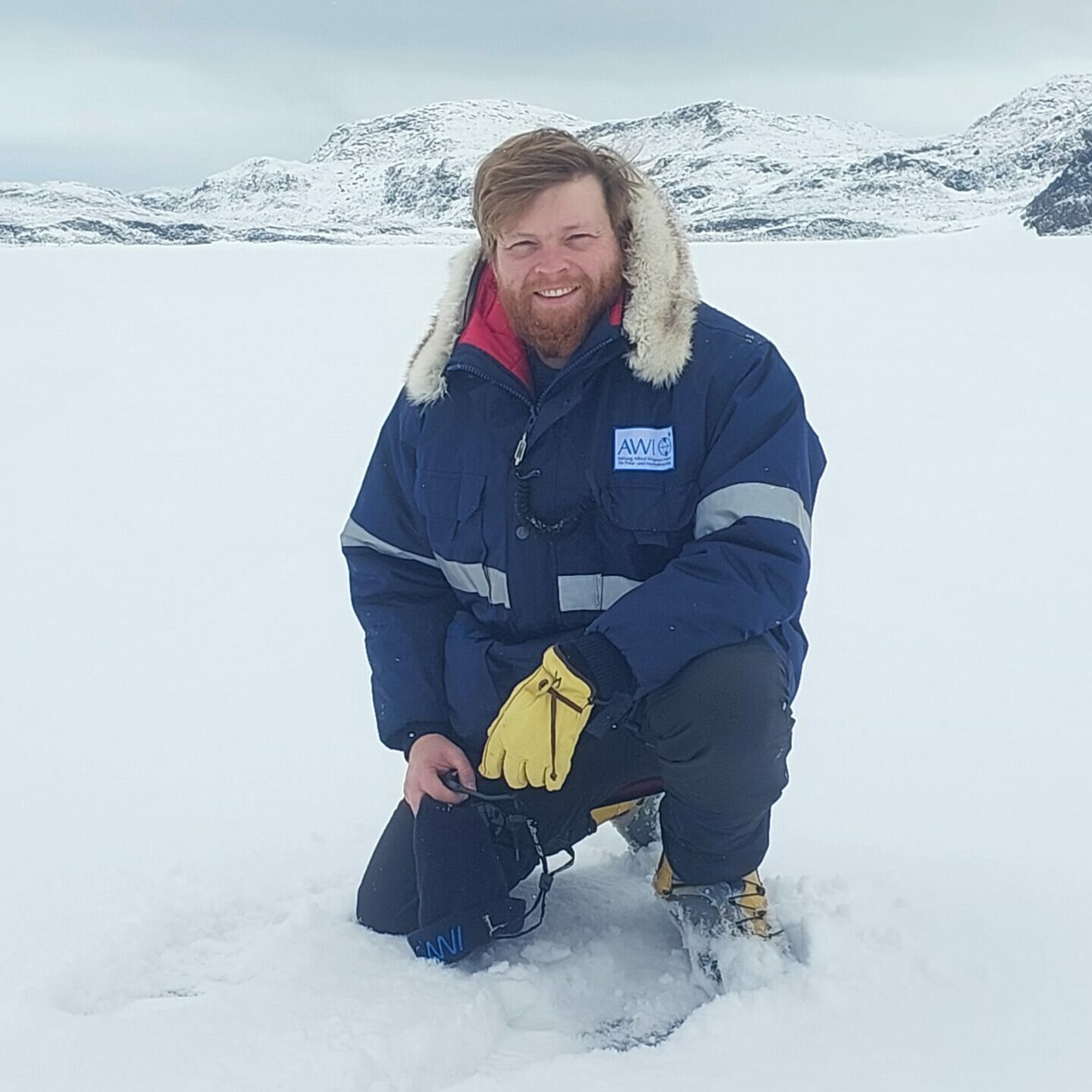
The primary aim of my project with ACEAS is to understand the Holocene timing of circumpolar deep water incursions in the Denman region, both onto the continental shelf generally and into the Shackleton Ice Shelf cavity. I will apply established geochemical proxy methods to sediment cores from both the open water and sub ice shelf environments. In doing this, we can better assess the drivers of ice sheet change and historical shifts in ocean conditions within the Denman Region.
Additionally, I will be conducting further research into the development of 10Be as a geochemical palaeoceanographic proxy, utilising both water and sediment samples.
Biography
I am a marine geologist and paleoceanographer. My interests lie in developing geochemical proxies that can then be applied to sedimentary records. Primarily, I have focussed my research on assessing what drives the variation of cosmogenic radionuclide 10Be through sedimentary records along the Antarctic continental shelf.
I conducted my PhD work at the University of Canberra. I assessed the variation of beryllium isotopes in Antarctic marine sediments, both spatially and through the Holocene. Through my PhD work, I assessed the influence of multiple potential 10Be sources, concluding that it may make a valid proxy for timing upwelling processes on the Antarctic continental shelf. I will conduct further development of this proxy during my time at ACEAS.
I have a sedimentology background, understanding sediment provenance and marine sediment mass movement processes composed my Honours and Masters research at the University of Auckland.
Awards / Grants
| ANSTO Research Portal Proposal (2023-2024) – Extracting Be, Th, and Nd from seawater samples: can 10Be trace different water masses? |
| AINSE Postgraduate Postgraduate Research Award (2018-2022) |
| ANSTO Research Portal Proposal (2019 + 2021) – Antarctic ice-shelf stability and collapse: A geochemical history of Antarctic Peninsula ice shelves |
Selected Publications
| White, D.A., Fink, D., Post, A.L., Simon, K., Galton-Fenzi, B., Foster, S., Fujioka, T., Jeromson, M.R., Blaxell, M. and Yokoyama, Y., 2019. Beryllium isotope signatures of ice shelves and sub-ice shelf circulation. Earth and Planetary Science Letters, 505, pp.86-95. |
| White, D.A., Fink, D., Lilly, K., O'Brien, P., Dorschel, B., Berg, S., Bennike, O., Gore, D.B., Fabel, D., Blaxell, M. and Jeromson, M., 2022. Rapid ice sheet response to deglacial and Holocene paleoenvironmental changes in eastern Prydz Bay, East Antarctica. Quaternary Science Reviews, 280, p.107401. |
Current ACEAS Activities:
My current activities within ACEAS are to investigate Southern Ocean ventilation and water-mass formation, as well as the heat uptake and redistribution by Subantarctic Mode Water (SAMW) and Antarctic Intermediate Water (AAIW) in driving Southern Ocean warming. I have been looking at the formation and variability of SAMW and AAIW in the Southern Ocean, by reconciling their volume changes with formation mechanisms of subduction and water-mass transformation. I am currently working at investigating the ocean heat uptake and redistribution by SAMW and AAIW formation for understanding Southern Ocean warming, and more broadly, global warming.
Biography
A major challenge confronting the climate research community is that despite the dramatic acceleration in global ocean warming, it remains unclear how this heat uptake is distributed by basin and across water masses, and the associated physics of the processes regulating formation of, and heat uptake in, distinct water masses. Two particular water masses of note in this challenge are mode and intermediate waters in the subtropical and Southern Ocean, given their key role in the uptake and redistribution of heat over the past 50 years. Understanding the processes controlling variability and heat uptake of Subantarctic Mode Water (SAMW) and Antarctic Intermediate Water (AAIW) is thus critical for understanding Southern Ocean and global warming.
While my PhD research work investigated the physical mechanisms driving the geographic and seasonal variability in the formation of SAMW and AAIW (Li et al. 2021; Li et al. 2022), as well as how much heat uptake is stored within the mode and intermediate waters (Li et al. 2022, under review), there is still much to learn about the physical processes controlling the uptake and redistribution of heat and carbon by SAMW, AAIW, and other mode and intermediate waters. Opportunities for future research here at the UNSW node of the ACEAS, include a focus on the uptake and redistribution of heat in the Southern Ocean and in the global ocean, building upon the topics covered in my PhD work.
Publications
| Li, Z., M. H. England, S. Groeskamp, I. Cerovečki, and Y. Luo, 2021: The Origin and Fate of Subantarctic Mode Water in the Southern Ocean. Journal of Physical Oceanography, 51, 2951–2972, https://doi.org/10.1175/JPO-D-20-0174.1. |
| Li, Z., S. Groeskamp, I. Cerovečki, and M. H. England, 2022: The Origin and Fate of Antarctic Intermediate Water in the Southern Ocean. Journal of Physical Oceanography, in press. |
| Tamsitt, V., S. Bushinsky, Z. Li, M. du Plessis, A. Foppert, S. Gille, S. R. Rintoul, E. Shadwick, A. Silvano, A. Sutton, S. Swart, B. Tilbrook, and N. L. Williams, 2021: The Southern Ocean, in “State of the Climate in 2020”, Bulletin of the American Meteorological Society, 102, S341-S345, https://doi.org/10.1175/BAMS-D-21-0081.1. |
Coti (Maria) Manassero
Research Associate – Magnetotelluric Geophysics
E: maria.manassero@utas.edu.au
Social Links
Current ACEAS Activities:
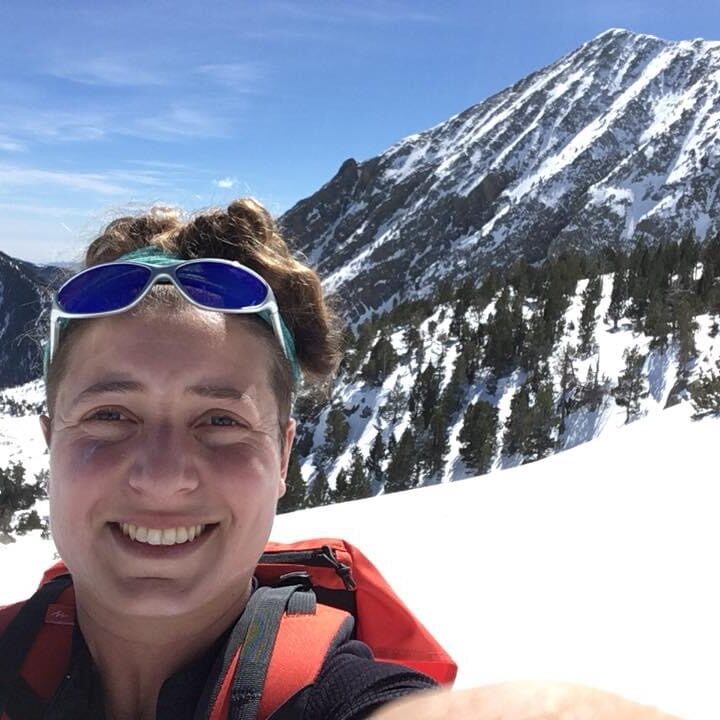
One of the most pressing challenges of our time is understanding the rate of ice loss in Antarctica. Progress in this interdisciplinary knowledge helps accurate projections of sea-level rise and prepares the community for climate risk. Geophysicists can contribute to this knowledge by using surface observations to study the ice-solid Earth interaction. However, geophysical interpretations in Antarctica are limited due to the lack of data. In my postdoctoral role within the ACEAS initiative, I will be using field and computer-based methods applied to geophysical data in Eastern Antarctica. During the 2023/2024 Antarctic Expedition, we will first collect magnetotelluric (MT) and seismic data across (and around) Denman Glacier to expand the available data in the region.
MT measures electric and magnetic field variations and, through inversions, provides information on the electrical conductivity of the subsurface.
Biography
My main research interest lies in developing geophysical methodologies to understand complex Earth processes. I'm passionate about doing innovative and impactful science, as well as working collaboratively in a multidisciplinary team to tackle current challenges, particularly when these problems are linked to the effects of climate change.
I have over 7 years of experience in geophysics, where I have primarily worked on the development of computer-based approaches applied to geophysical data. I obtained a master's degree in Geophysics from the National University of La Plata, Argentina, where I specialised in seismic attenuation in the Central Andes. I completed my PhD in Geophysics at Macquarie University, Australia with a specialisation on magnetotellurics (MT) and probabilistic inversions of MT with other datasets.
MT is a passive technique that measures variations of the Earth's electric and magnetic field on the surface. We use MT data to determine the electrical conductivity distribution below the surface via inversions. Since conductivity of rocks depends on composition, temperature, and water content, this technique provides direct insights into thermal structure and fluid presence. One of the main challenges of MT, however, is the high computational cost of solving the MT equations, which has hindered probabilistic (Bayesian) inversions of 3D MT data. My doctoral project focused on overcoming this challenge. I combined numerical and mathematical methods to develop a strategy for performing probabilistic inversions of 3D MT data and, most importantly, enabling joint probabilistic inversions of MT with other geophysical datasets like seismic data. Combining different datasets sensitive to different physical parameters enhances the subsurface model resolution and deepens our understanding of physical processes.
The focus of my recent role as a postdoc at Macquarie University has been on the joint probabilistic inversion of 3D MT and seismic data, using MT data from the AusLAMP array to image the lithosphere beneath Australia. This methodology has opened up new opportunities for understanding the Earth's interior.
Awards / Grants
| Macquarie University International Research Excellence Scholarship (iMQRES) |
| Training fellowship from the Committee for Scientific Research of Buenos Aires Province (CIC) |
| Educational scholarship for Engineering and Geosciences, Rocca Foundation, Techint |
Selected Publications
| Manassero, M.C., Özaydin S., Afonso J.C, Shea J.J., Kirkby A., Ezad I., Thiel S., Fomin I., and Czarnota K. “Lithospheric structure and melting processes in southeast Australia: new constraints from joint probabilistic inversions of 3D magnetotelluric and seismic data" Journal of Geophysical Research: Solid Earth (Accepted in review). |
| Manassero, María Constanza, Juan Carlos Afonso, Fabio Zyserman, Alan Jones, Sergio Zlotnik, and Ilya Fomin. "A Reduced Order Approach for Probabilistic Inversions of 3D Magnetotelluric Data II: Joint Inversion of MT and Surface‐Wave Data." Journal of Geophysical Research: Solid Earth 126, no. 12 (2021): e2021JB021962. |
| Manassero, Maria Constanza, Juan Carlos Afonso, Fabio Zyserman, Sergio Zlotnik, and Ilya Fomin. "A Reduced Order Approach for Probabilistic Inversions of 3D Magnetotelluric Data I: General Formulation." Geophysical Journal International 223.3 (2020): 1837-1863 |
| Elías, Matías W., Fabio I. Zyserman, Marina Rosas-Carbajal, and María Constanza Manassero. "Three-dimensional modelling of controlled source electro-magnetic surveys using non-conforming finite element methods." Geophysical Journal International 229, no. 2 (2022): 1133-1151 |
| Casas, J. A., D. Draganov, G. A. Badi, M.C. Manassero, VH Olivera Craig, L. Franco Marín, M. Gómez, and E. Ruigrok. "Seismic interferometry applied to local fracture seismicity recorded at Planchón-Peteroa Volcanic Complex, Argentina-Chile." Journal of South American Earth Sciences 92 (2019): 134-144. |
Rebecca McGirr
Research Associate – Mass Balance (remote sensing, modelling)
Social Links

Current ACEAS Activities:
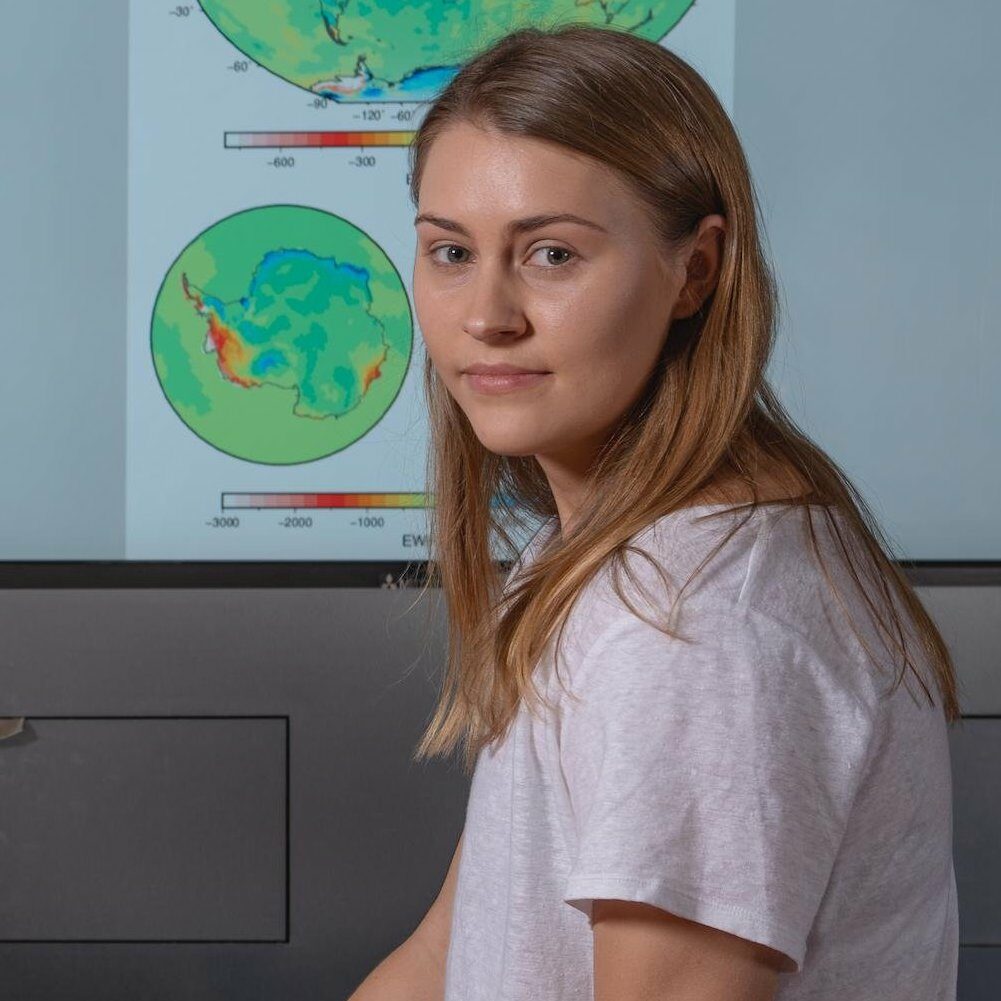
My role at ACEAS involves using space gravity data to measure the impacts of modern climate change on the mass of water stored as continental ice within the East Antarctic Ice Sheet. As part of ACEAS I will assess what spatial and temporal resolution of mass balance estimates can be achieved from current remote sensing data and how to best mitigate the impacts of glacial isostatic adjustment on mass balance estimates in polar regions. From these results, I will accurately estimate high spatio-temporal resolution changes in mass balance in East Antarctica and the associated contributions to global sea level over the past two decades
Biography
My research involves using satellite gravity data to measure the temporal and spatial variations of the solid Earth and it’s fluid envelope. I have expertise in the analysis of space gravity data collected by the Gravity Recovery And Climate Experiment (GRACE) mission which was launched in 2002, and it’s successor, the GRACE Follow-On (GRACE-FO) mission, launched in 2018. I have particular interest in using this data to measure changes in the mass balance of polar ice caps and glaciers, and how their decreasing volume is contributing to global sea level rise.
Prior to starting my role at ACEAS, I completed my PhD in Geodesy at the Research School of Earth Sciences within the Australian National University, awarded in 2022. During my PhD I developed a novel approach to remove thermally induced errors from the key non-gravitational accelerations measured by the accelerometers onboard the GRACE satellites. I also assessed through simulation the impact of varying satellite altitude and ground track coverage on the accuracy of GRACE temporal gravity field models in the presence of instrument noise and forcing model errors.
I completed my Undergraduate Degree with Honours in Geophysics at the University of Sydney in 2018. During my Honours year, I developed a plate tectonic model of Central American Seaway closure and assessed the implications of this event within the context of a shifting global climate.
Scientific Committee Memberships
| GRACE Follow-On Science Team |
Awards / Grants
| Janet Elspeth Crawford Postgraduate Leadership Prize, Australian National University, 2020 |
| Dr Peter Milligan Student Award for Geophysics, Australian Society of Exploration Geophysicists ACT Branch, 2019 |
| Dean’s Merit HDR Supplementary Scholarship in Science, Australian National University, 2018 |
| University Medal, University of Sydney, 2018 |
| Dean’s List of Excellence in Academic Performance, University of Sydney, 2016 |
Selected Publications
| McGirr, R., Tregoning, P., Allgeyer, S., McQueen, H., & Purcell, A. (2022). Mitigation of thermal noise in GRACE accelerometer observations. Advances in Space Research, 69(1), 386-401. |
| Allgeyer, S., Tregoning, P., McQueen, H., McClusky, S. C., Potter, E. K., Pfeffer, J., McGirr, R., ... & Montillet, J. P. (2022). ANU GRACE Data Analysis: Orbit Modeling, Regularization and Inter‐satellite Range Acceleration Observations. Journal of Geophysical Research: Solid Earth, 127(2), e2021JB022489. |
| Tregoning, P., McGirr, R., Pfeffer, J., Purcell, A., McQueen, H., Allgeyer, S., & McClusky, S. C. (2022). ANU GRACE Data Analysis: Characteristics and Benefits of Using Irregularly Shaped Mascons. Journal of Geophysical Research: Solid Earth, 127(2), e2021JB022412. |
| McGirr, R., Seton, M., & Williams, S. (2021). Kinematic and geodynamic evolution of the Isthmus of Panama region: Implications for Central American Seaway closure. GSA Bulletin, 133(3-4), 867-884. |
| Seton, M., Müller, R. D., Zahirovic, S., Williams, S., Wright, N. M., Cannon, J., ... & McGirr, R. (2020). A global data set of present‐day oceanic crustal age and seafloor spreading parameters. Geochemistry, Geophysics, Geosystems, 21(10), e2020GC009214. |
Associated links
Current ACEAS Activities:
I am currently working as a researcher at ANU, as part of a team developing and validating a finite element model for simulating Antarctic Glacial Isostatic Adjustment (GIA) using Firedrake. GIA is the ongoing response of Earth's surface to changes in ice and water loading as Earth moves into and out of periods of glaciation. Antarctica is today still experiencing uplift in response to the reduction of the Antarctic Ice Sheet thousands of years ago. The present-day uplift rate and associated changes to Earth's gravity field mean that the satellite-based observational techniques used to quantify mass balance change are affected by GIA. Consequently, ice surface changes measured by satellite altimetry need to be corrected for uplift of the Antarctic bedrock, while mass changes derived from space gravity missions need to have the GIA gravity change signal removed. The latter is almost of the same magnitude as the present-day mass loss signal, so the GIA corrections are of immense significance.
Biography
I have a broad interest and background in Polar science, numerical modelling, oceanography and geophysics. As part of my PhD at Imperial College London, I was developing a new model for ocean flow under ice shelf cavities in Antarctica using Firedrake. Firedrake is a state-of-the-art framework for solving PDEs with the finite element method using code generation techniques (https://www.firedrakeproject.org/).
The main motivation was to develop a flexible unstructured mesh model to investigate ocean flow and melting near the grounding zone of glaciers, where the ice starts to float. Glacier flow, and hence ice sheet contribution to sea level rise, is particularly sensitive to how much melting occurs at the grounding line. However, ocean conditions near the grounding zone are highly uncertain owing to the difficulty of making direct observations (https://thwaitesglacier.org/projects/melt). Moreover, traditional ocean models that rely on structured grids struggle to capture the complicated geometry of the ice shelf cavity in these remote regions of the ocean. Alongside the ability to use flexibly unstructured meshes, one of the key advantages of Firedrake is the availability of an automatically generated adjoint model (thanks to the Dolfin Adjoint project (http://www.dolfin-adjoint.org/en/latest/). This enables efficient calculation of model sensitivity to input fields, e.g. to the unknown initial conditions or boundary forcing. Gradient information is essential for scalable optimisation algorithms necessary for Data Assimilation and Parameter estimation studies.
As part of the verification and validation process, I carried out model comparison studies against a community standard finite volume model, MITgcm. Running other scientific codes has helped me to appreciate the philosophy behind Firedrake and I believe that domain specific abstraction is highly desirable for the complex scientific codes that arise in geoscience applications.
One of the key things I have focused on is testing the sensitivity of the melt rate parameterisation to grid resolution and discretisation choice, since spurious mixing can have a significant effect on the melt rate calculation. This was especially true when I compared MITgcm and our Firedrake based model for the ISOMIP+ model intercomparison project. As a result, I set up and developed a Method of Manufactured Solutions test, which includes melt rate, to provide a more rigorous test of the numerical model. The model development process is documented in this paper: https://doi.org/10.1016/j.ocemod.2023.102178 in Ocean Modelling.
Through the International Thwaites Glacier Collaboration (https://thwaitesglacier.org/) I have had the opportunity to meet and work with a number of scientists based around the world, in particular, at the British Antarctic Survey, Swedish Meteorological and Hydrological Institute, Cornell University, New York University and the University of St Andrews. I am always keen to work with new people on different projects so please get in touch if you are interested in collaborating!
If you are interested our code is available on GitHub here: https://github.com/thwaitesproject/thwaites.
Selected Publications
| William I. Scott, Stephan C. Kramer, Paul R. Holland, Keith W. Nicholls, Martin J. Siegert, Matthew D. Piggott, Towards a fully unstructured ocean model for ice shelf cavity environments: Model development and verification using the Firedrake finite element framework, Ocean Modelling, Volume 182, 2023, 102178, ISSN 1463-5003, https://doi.org/10.1016/j.ocemod.2023.102178. |
Associated links
Current ACEAS Activities:
I study how Antarctica's response to the changing climate depends on solid Earth properties and processes. In my role at ACEAS, I investigate new ways to gain insight into how geology interacts with ice sheets and glaciers. Such insights are derived from geophysical and geological data using novel computational and statistical tools. Integrating data from satellites, airborne instruments, and seismology with qualitative observations in glaciology and geology provide technical as well as semantic challenges. Those challenges can be addressed with the broad expertise in ACEAS; multivariate questions call for interdisciplinary efforts.
I am based at the University of Tasmania School of Natural Sciences, Physics. In this environment, I have the opportunity to get inspired by colleagues using relevant and advanced analytical and computational tools to address similar problems in different settings.
Currently, I am working on instrumentation and field preparations to study the ice-bedrock interface as well as deeper structures. I am also developing new methods to study the large-scale tectonic configuration of the Antarctic interior and derive implications for subglacial heat and glacial isostatic adjustment.
Biography
There is a complex and heterogeneous continent beneath the Antarctic ice sheet. The crust and mantle properties of this continent shape how the ice sheet responds to warming oceans and changing climate. I am interested in how deep Earth, ice sheets and glaciers interact and how we can better understand this complex system by developing new computational methods and data applications.
Some of my work has been focusing on geothermal heat, how we can better model and map its distribution at the base of the ice sheet, and how it impacts the ice sheet's stability. Antarctica provides some special challenges due to the limited data available; however, some aspects of Antarctica are not unique; for robust geothermal heat flow models, we need to consider how heat transfer works in other regions and what limitations and biases might confuse the interpretation in Antarctica.
I am also interested in structural geology and large-scale tectonics, the extent of crustal blocks in the Antarctic interior. Antarctica was formed from old cratonic crust and tectonic accretion during the formation of supercontinents Rodina and Gondwana; however, the extent of mobile belts and basins is not resolved for the Antarctic interior. We have no direct observations, but geostatistical methods can help us develop robust suggestions.
I earned my Bachelor's and Master's degrees in geology and geophysics at the University of Copenhagen and The University Centre in Svalbard. I studied sedimentology, geomorphology, and reflection seismology, particularly the properties of carbonate rocks. My PhD project at the University of Tasmania focused on multivariate methods and introduced me to Bayesian statistics and information theory as useful tools to understand Earth systems and processes.
Before geology and geophysics, I worked in music and stage art, mainly as a light and sound designer and sometimes as a musician and actor. I studied at the Music Conservatory of Piteå in Sweden and VGIK in Moscow, Russia. I also have some experience in welding, plumbing and in shipyards. I do love old boats.
Scientific Committee Memberships
| Co-chair of the Subcommittee for Antarctic Heat flow under The Scientific Committee on Antarctic Research (SCAR) The INStabilities and Thresholds in ANTarctica (INSTANT) Scientific Research Programme |
| Member of Lithosphere of East Antarctica Coordinating Committee under the International Lithosphere program |
| Leader of ACEAS Autonomous integrated remote instrumentation working group |
| Member of ACEAS Sub-ice continent working group |
| Member of Technical Committee for Antarctic and Southern Ocean Forum (ASOF) 2021 |
| Co-convener of the session Polar Geothermal Heat Flow: Estimation and Ice Sheet Interactions at AGU Fall Meeting 2021 |
| Member of organising committee of the 2022 meeting for the Specialist Group in Tectonics and Structural Geology (SGTSG) of the Geological Society of Australia |
Awards / Grants
| The paper Antarctic geothermal heat flow model: Aq1. Geochemistry, Geophysics, Geosystems (Stål et al (2021)) was highlighted as editor's choice in the AGU journal Eos, 1 2021. |
| Department of Natural Sciences award for PhD Award for Outstanding Performance during Postgraduate Studies (2021), UTAS. |
Selected Publications
| Antarctic geothermal heat flow model: Aq1 (Stål et al., 2021, GGG) |
| A multivariate approach for mapping lithospheric domain boundaries in East Antarctica (Stål et al., 2019, GRL) |
| Antarctic geothermal heat flow and its implications for tectonics and ice sheets (Reading, Stål, et al., 2022, NREE) |
| Properties and biases of the global heat flow compilation (Stål et al, 2022, Frontiers in Earth Science) |
| PetroChron Antarctica: A geological database for interdisciplinary use (Sanchez et al., 2021, GGG) |