Endangered Antarctic fur seals reveal resilience – and hidden risks – in a changing ocean
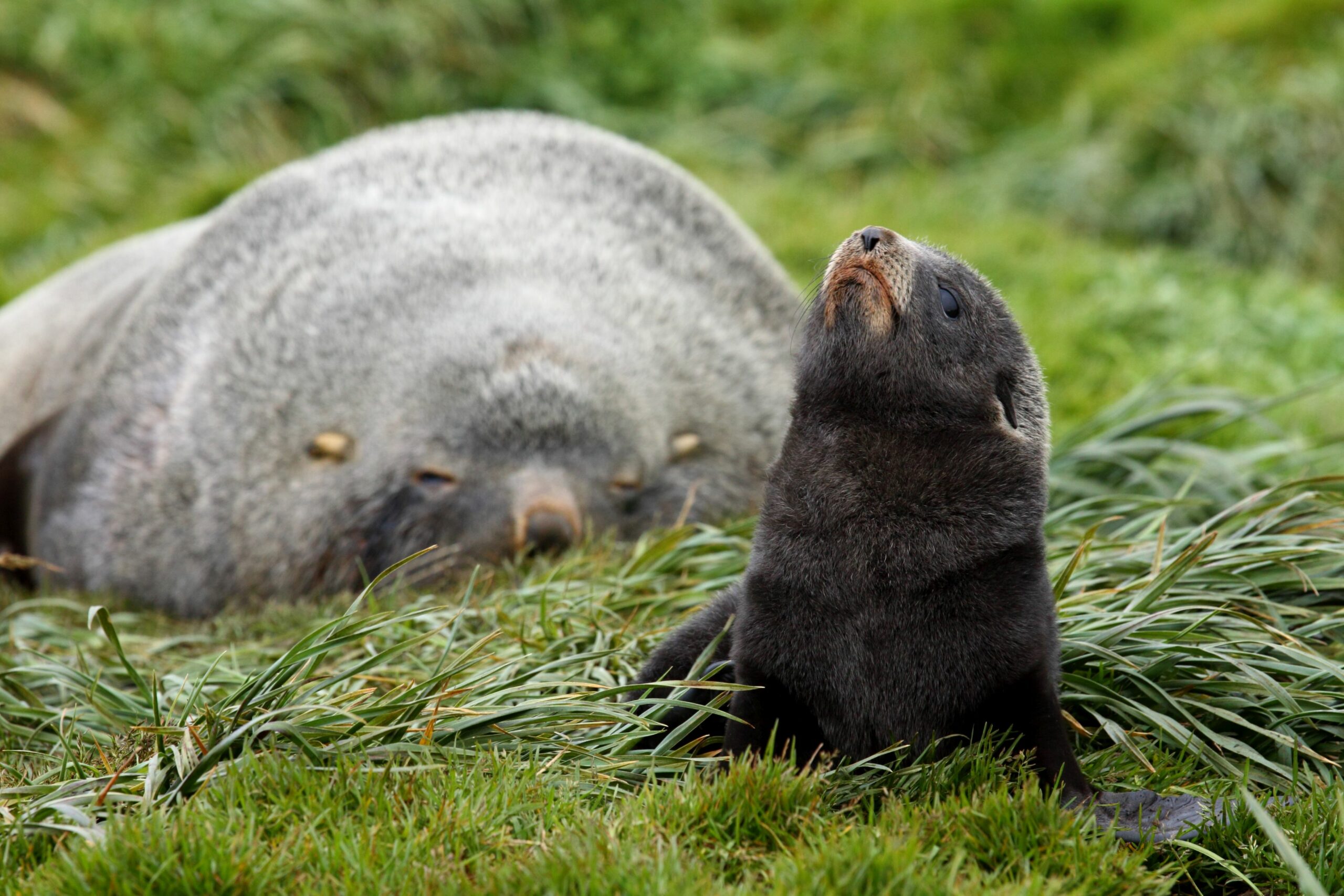
Circumpolar Antarctic fur seals may all look alike on the surface but new research shows they are anything but identical in how they survive in a rapidly changing ocean.
A new study led by Dr Noémie Friscourt from the Institute for Marine and Antarctic Studies (IMAS) at the University of Tasmania reveals that individual seals adopt dramatically different foraging strategies, with some ranging widely whilst others stick to the same habits year after year, even as environmental conditions shift around them.
The findings come at a critical time. Antarctic fur seals have recently been uplisted to Endangered on the IUCN Red List, following significant population declines in parts of the Southern Ocean, including South Georgia and parts of the South Shetland Islands.
“With Antarctic fur seals now listed as Endangered, it is more important than ever to understand how they are responding to changes in their environment across their Southern Ocean range,” Dr Friscourt said.
“Our study shows that individuals within a population exhibit a range of different foraging strategies which can have important implications for how populations cope with change.”
A decade of data, hidden in whiskers
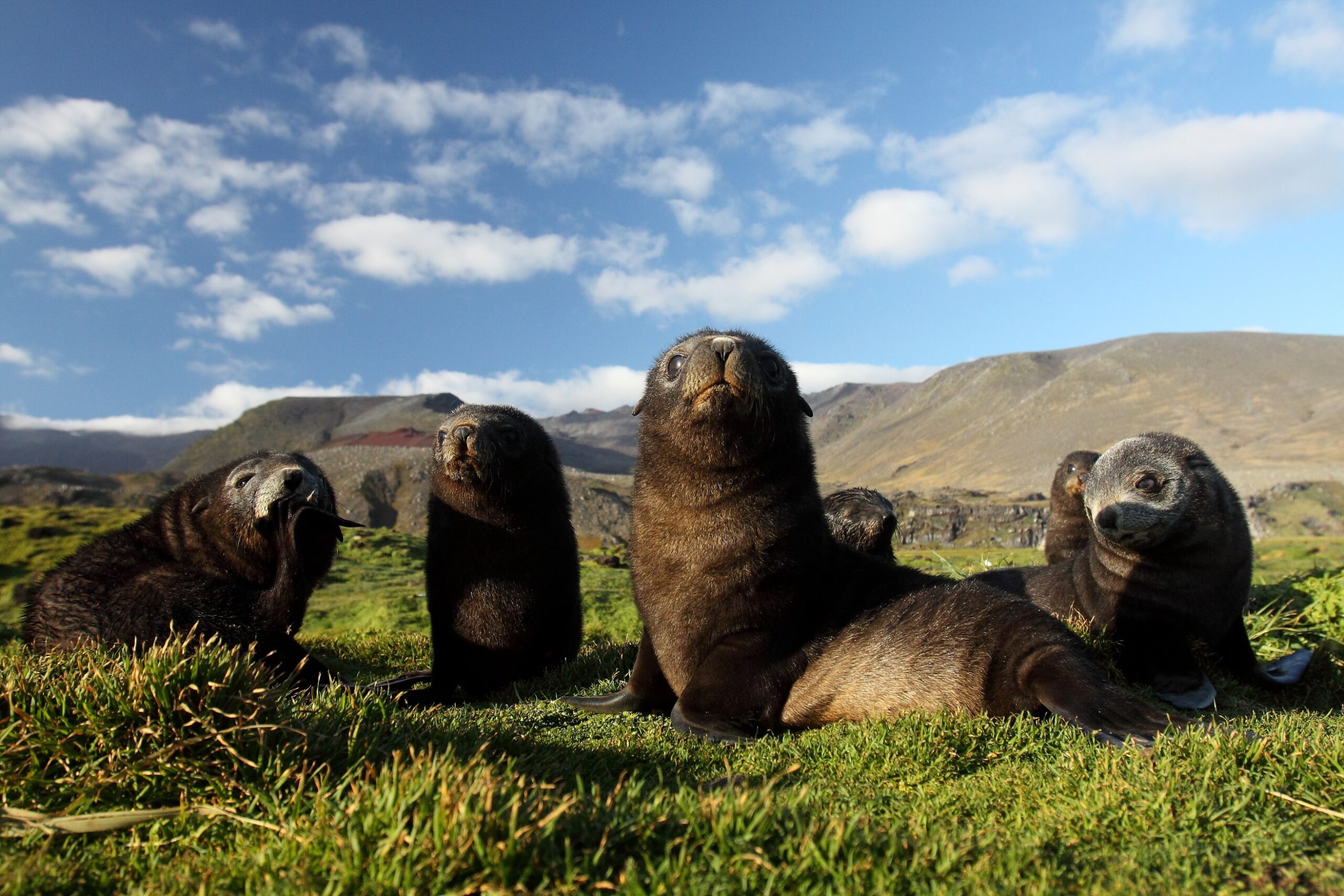
The research draws on more than a decade of data from a multinational study of 80 female Antarctic fur seals at Marion Island, combining tracking information with chemical analysis of their whiskers and blood.
Seals were fitted with small tracking devices on their flipper that recorded their movements at sea, allowing researchers to map where they travelled during the winter non-breeding period.
Alongside this, the team analysed stable isotopes in whiskers and whole blood samples of the same seals to understand the interactions between diet and habitat use.
Because whiskers grow continuously, they preserve these chemical records sequentially, providing a natural timeline of what seals have eaten and the types of ocean environments they have frequented over time.
By analysing these linked records, the team reconstructed the animals’ foraging behaviour across 8 months during the austral winter – one of the least understood periods in their life cycle – when seals travel far from breeding colonies into remote regions of the Southern Ocean that are difficult for scientists to observe directly.
“Whiskers allow us to look back in time,” Dr Friscourt said. “They give us a continuous record of diet and habitat use, which is an incredibly powerful tool for long-term ecological monitoring.”
Four ways to survive in a changing ocean
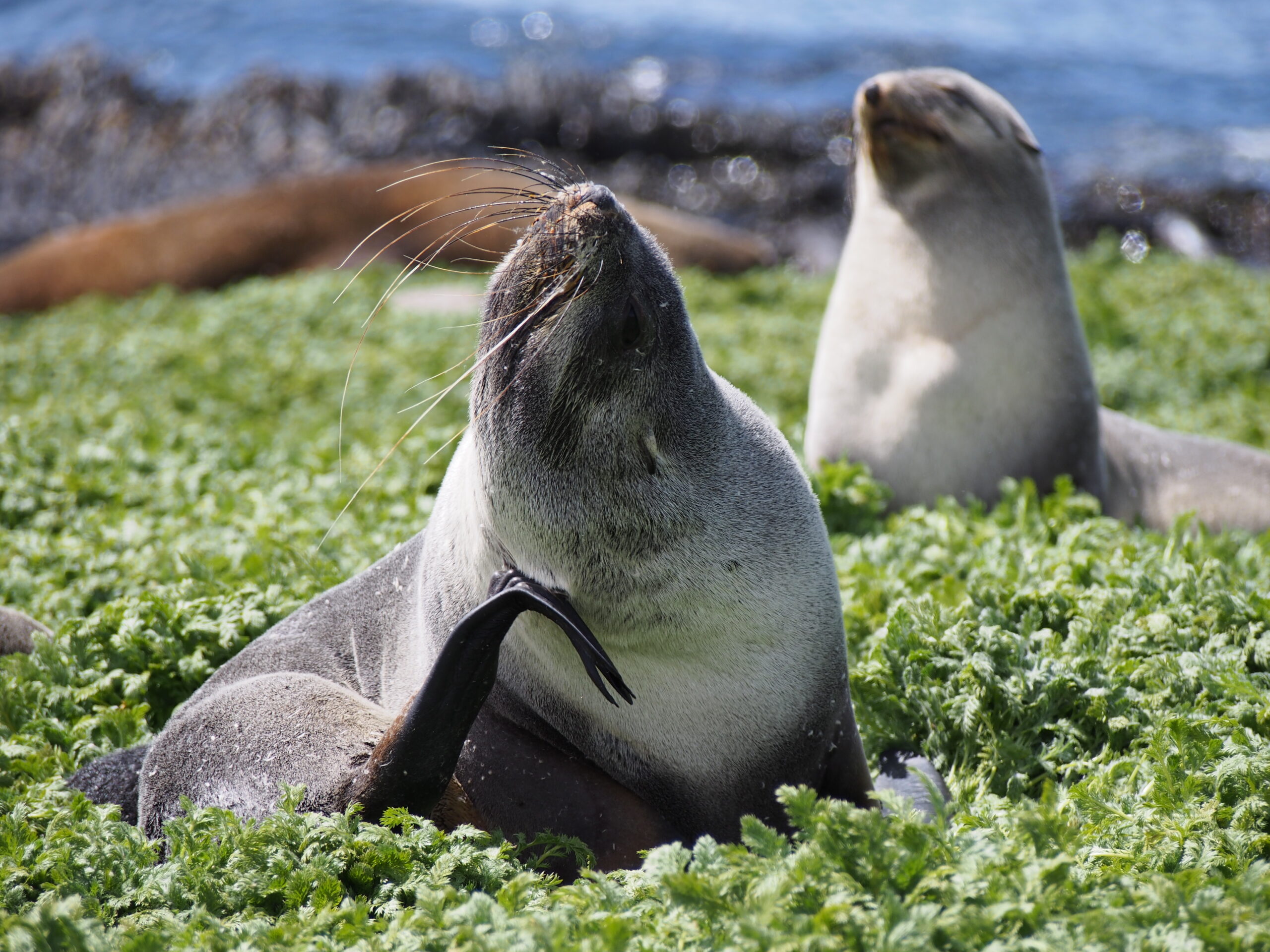
The study identified four distinct foraging strategies within the same population, from seals that stay close to home to “explorers” that travel far south into Antarctic waters during the harshest annual conditions. In doing so, it provides the first clear evidence of the extent of individual variation in foraging behaviour within this population.
“One of the most striking things we found is that individuals can behave very differently,” Dr Friscourt said.
“Some seals are highly specialised, using the same feeding areas and consuming similar prey year after year, while others varied in their behaviour.”
Together, these strategies reveal a population that is both diverse and adaptable.
But there is a catch.
While the population as a whole shows flexibility, many individual seals are remarkably consistent, returning to the same feeding areas and routinely relying on the same prey.
Flexibility and risk in a warming world
Co-author, long-term project lead and Australian Centre for Excellence in Antarctic Science (ACEAS) Chief Investigator, Professor Mary-Anne Lea from IMAS at the University of Tasmania, says this balance between diversity and consistency is key to understanding how the species will respond to climate change.
“What this study shows is that diversity within a population can be a strength,” Professor Lea said.
“Having multiple strategies spreads risk. If one food source declines, not all individuals are affected in the same way.”
However, that diversity also creates uneven vulnerability.
Some seals rely on Antarctic krill during their winter trips, a keystone species in Southern Ocean food webs, that is highly sensitive to warming waters and changing sea-ice conditions.
Others forage in specific oceanic regions that are already shifting as the climate changes.
“Not all seals will respond to environmental change in the same way,” Professor Lea said.
“Some individuals may cope better than others, which means climate impacts can play out unevenly within a population.”
A warning from the Southern Ocean
The Southern Ocean is undergoing rapid transformation, with warming waters, shifting ocean fronts and changing prey distributions already affecting marine ecosystems.
In the Atlantic sector, declines in krill availability have been linked to dramatic drops in fur seal populations. Climate change influences on local ecosystems are one of the key drivers behind the species’ recent Endangered status.
This new research may help to explain why.
Individual seals often rely on learned behaviours and past experience to guide where and how they forage. That consistency can be efficient, but it may also limit their ability to adapt quickly if conditions change.
“There is a balance between being efficient and being flexible,” Dr Friscourt said.
“If the environment changes too quickly, individuals that are very specialised may be more at risk.”
Why long-term science matters
The study highlights the importance of long-term monitoring in understanding climate impacts.
Without more than a decade of data, the researchers would not have been able to detect the interplay between individual consistency and population-level change. The associated dataset, now publicly available through the IMAS data portal, provides a valuable resource for future research and policy.
In addition, tracking change in the resource use and foraging habits of marine predators is important for international marine management and conservation efforts, including the Commission for the Conservation of Antarctic Marine Living Resources (CCAMLR) Ecosystem Monitoring Program.
“Long-term data is essential if we want to understand how ecosystems are changing,” Professor Lea said.
“It allows us to see patterns we would otherwise miss and to make better-informed decisions about conservation. This will be particularly important given Antarctic fur seals’ Endangered status.”
Looking ahead
As Antarctic ecosystems continue to shift, understanding how species respond, not just as whole populations, but as individuals, will be critical.
The authors also emphasise the need for additional research to better understand the implications of the research findings on the long-term reproductive success of female Antarctic fur seals from Marion Island to determine possible impacts on this population.
The study offers both a note of caution and a reason for hope.
A diversity of strategies may help Antarctic fur seals adapt to a changing world. But that same diversity also means some individuals, and potentially populations, may be more vulnerable than others.
In a rapidly changing Southern Ocean, those differences could make all the difference.
Dig deeper
Read the paper
Read the full paper in Ecosphere: Individual specialization and temporal changes in Antarctic fur seal trophic ecology from a multi‐tracer approach by Noémie Friscourt, Andrea Walters, Simon Wotherspoon, Mia Wege, Christopher C. Chapman, Elizabeth A. Brewer, Nico P.J. de Bruyn, Chris W. Oosthuizen, Yves Chere, Arthur Benjamin, and Mary-Anne Lea.
Learn more about Antarctic fur seals
Explore our plain-language explainer about Antarctic fur seals: Antarctic fur seals: tracking the Southern Ocean’s changing climate and ecosystem.
Subscribe to our newsletter
For more Antarctic news and stories, subscribe to our mailing list here.