Seamap Antarctica opens new portal into Antarctic marine data
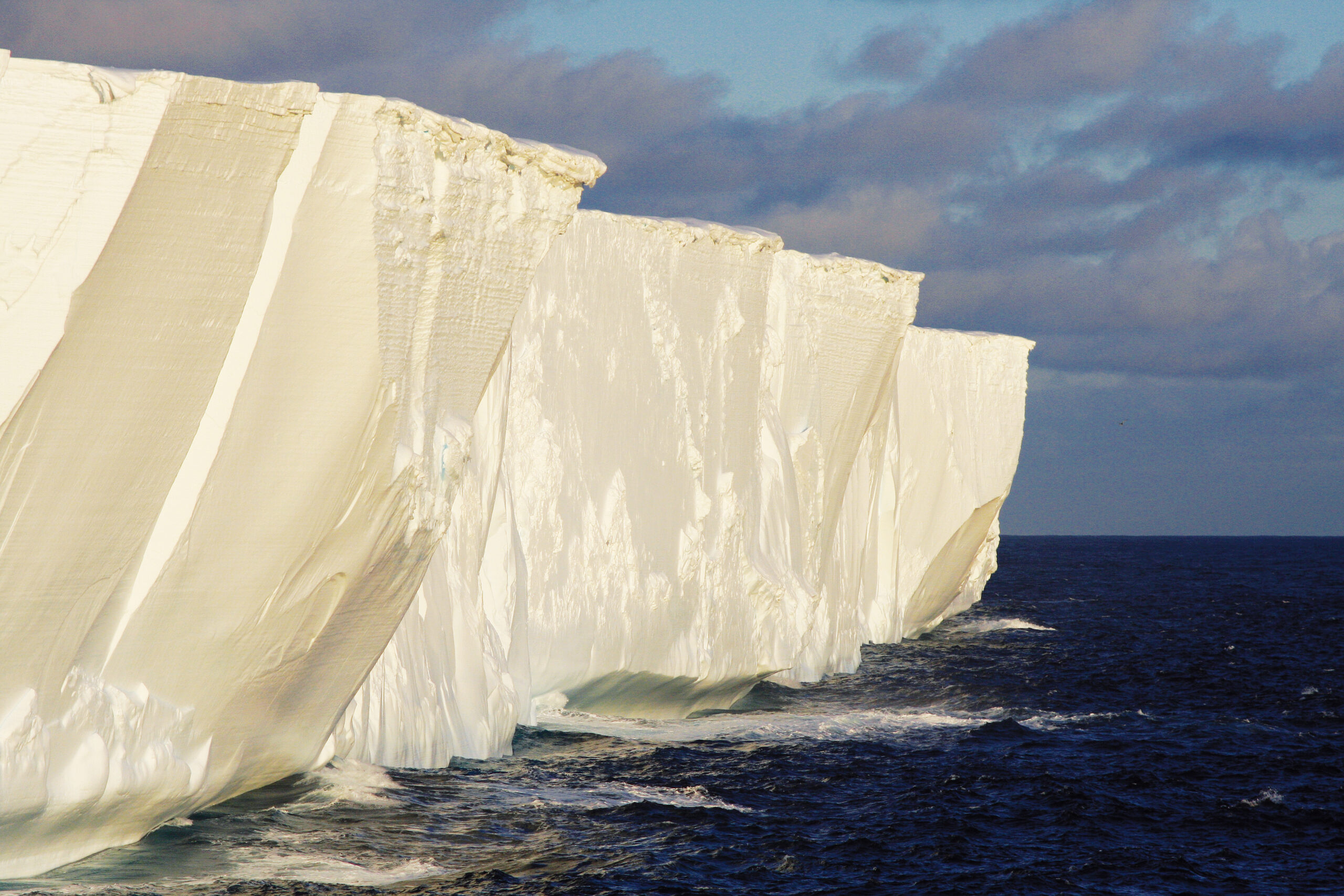
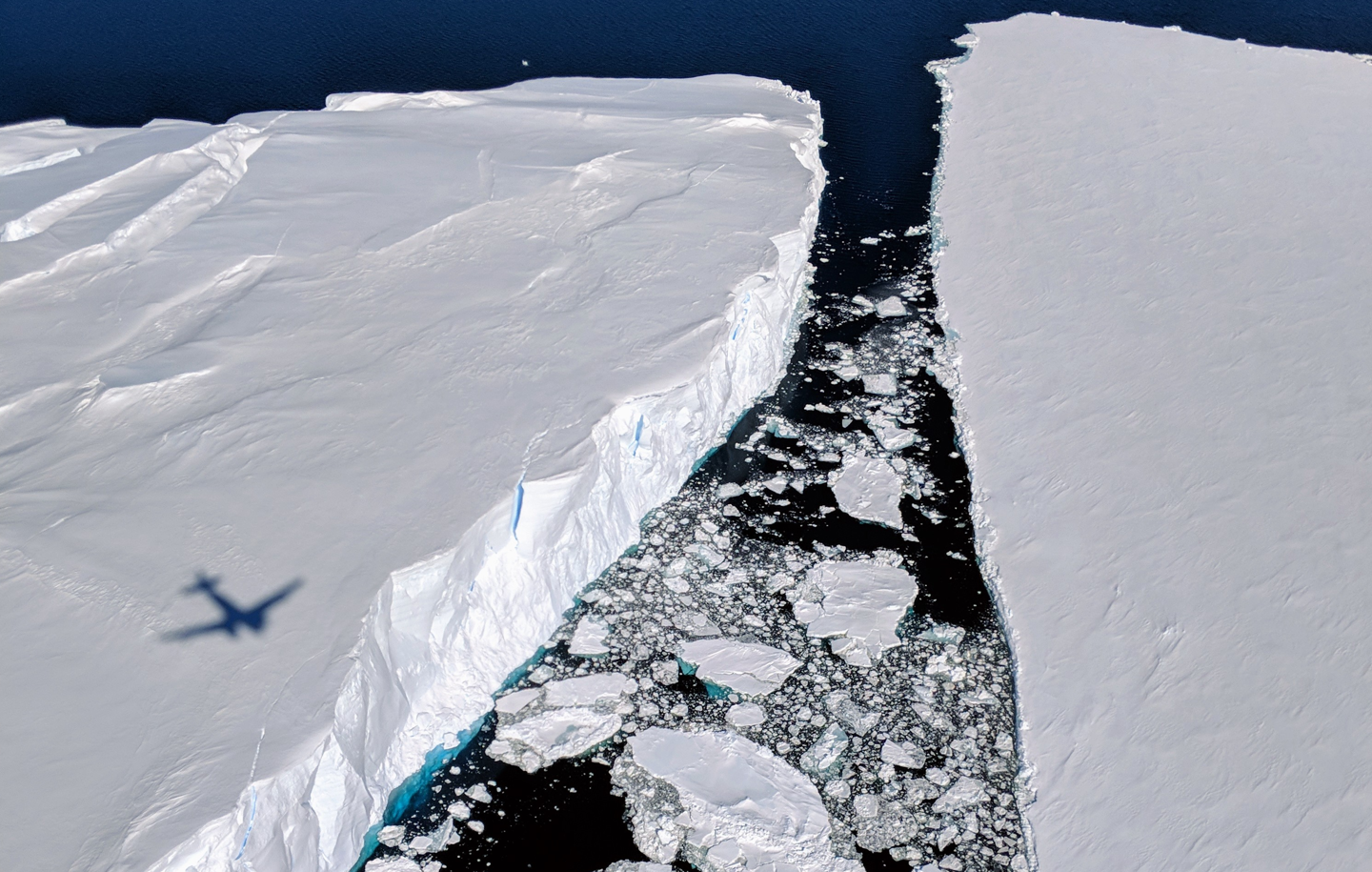
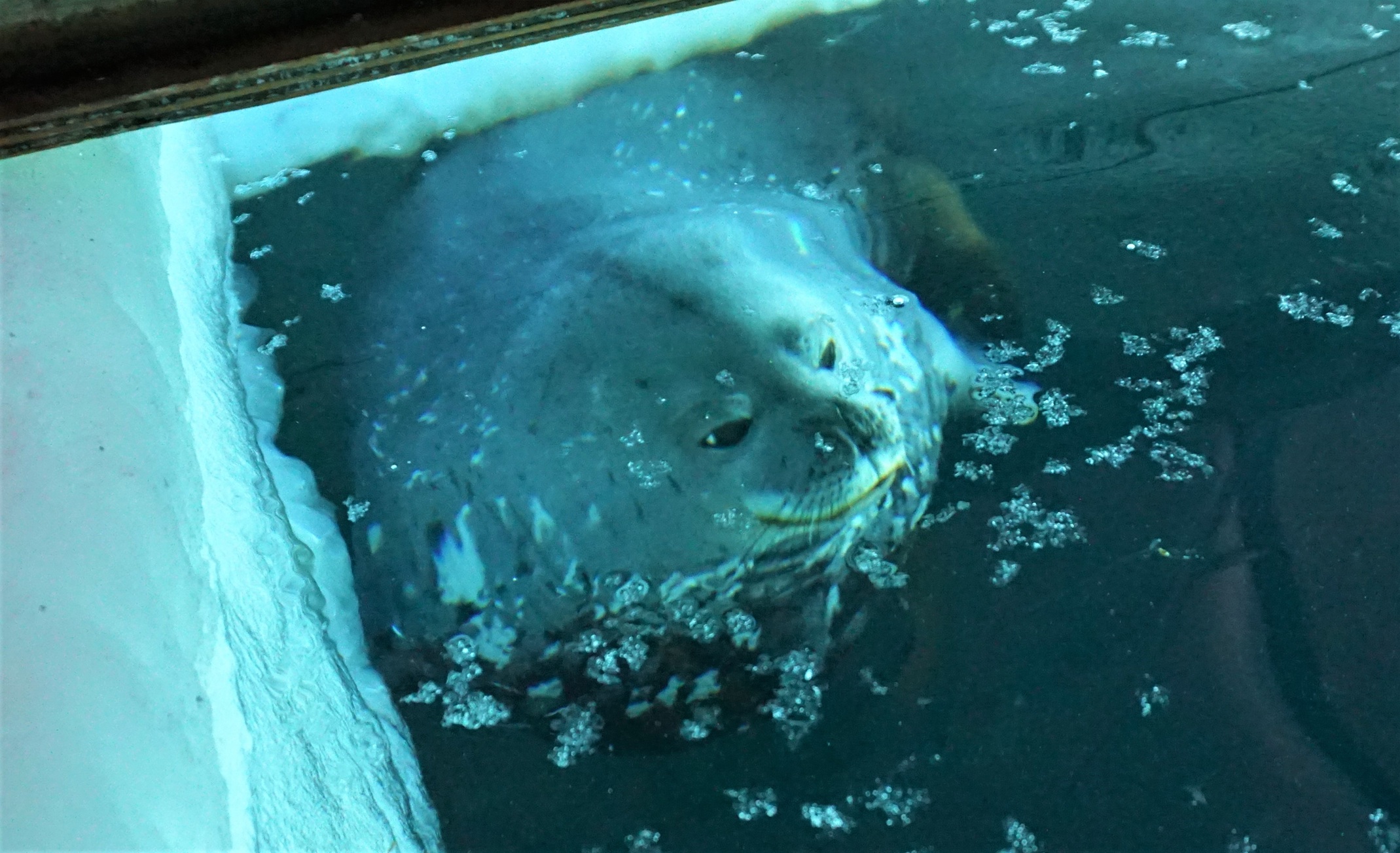
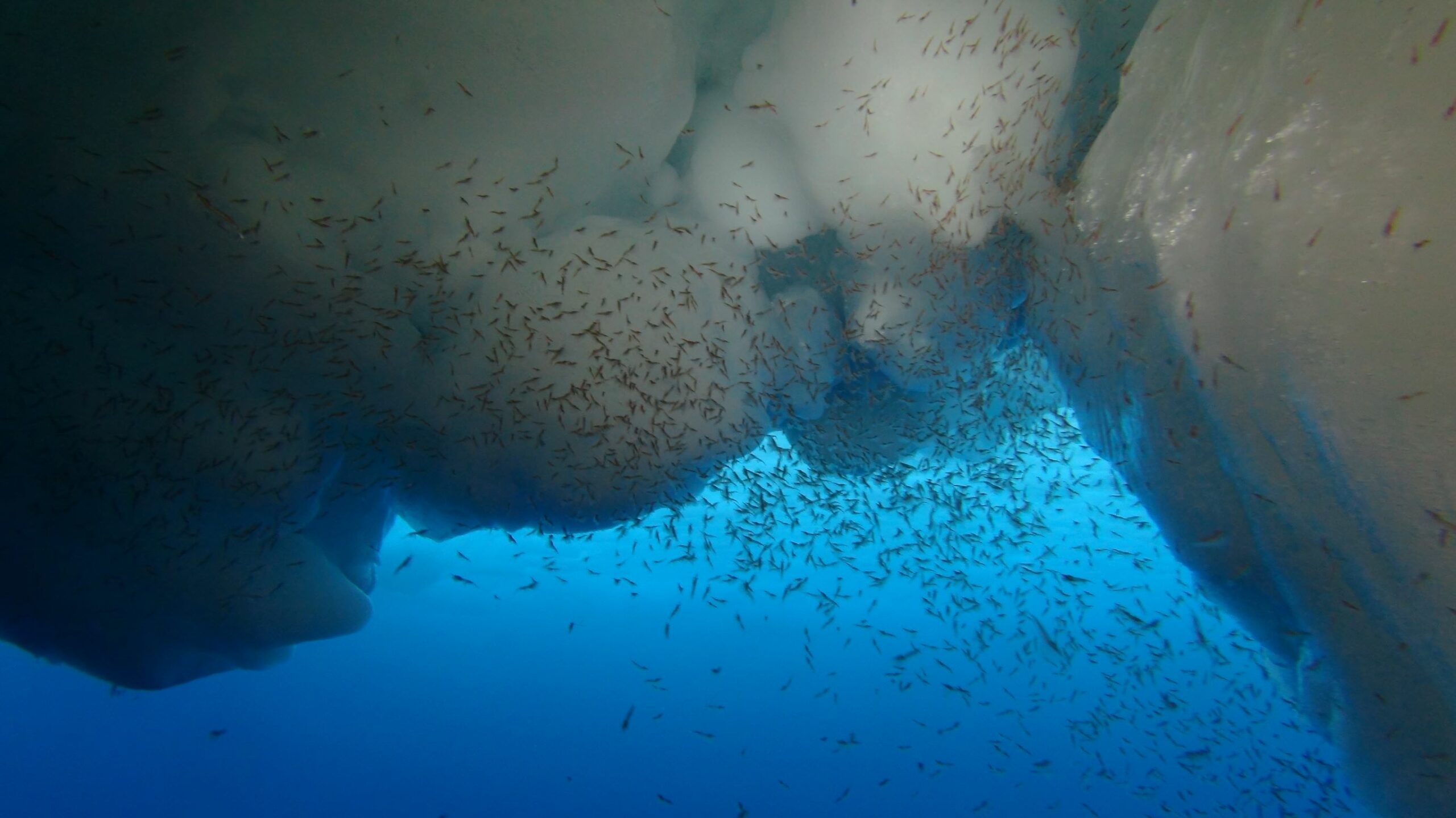
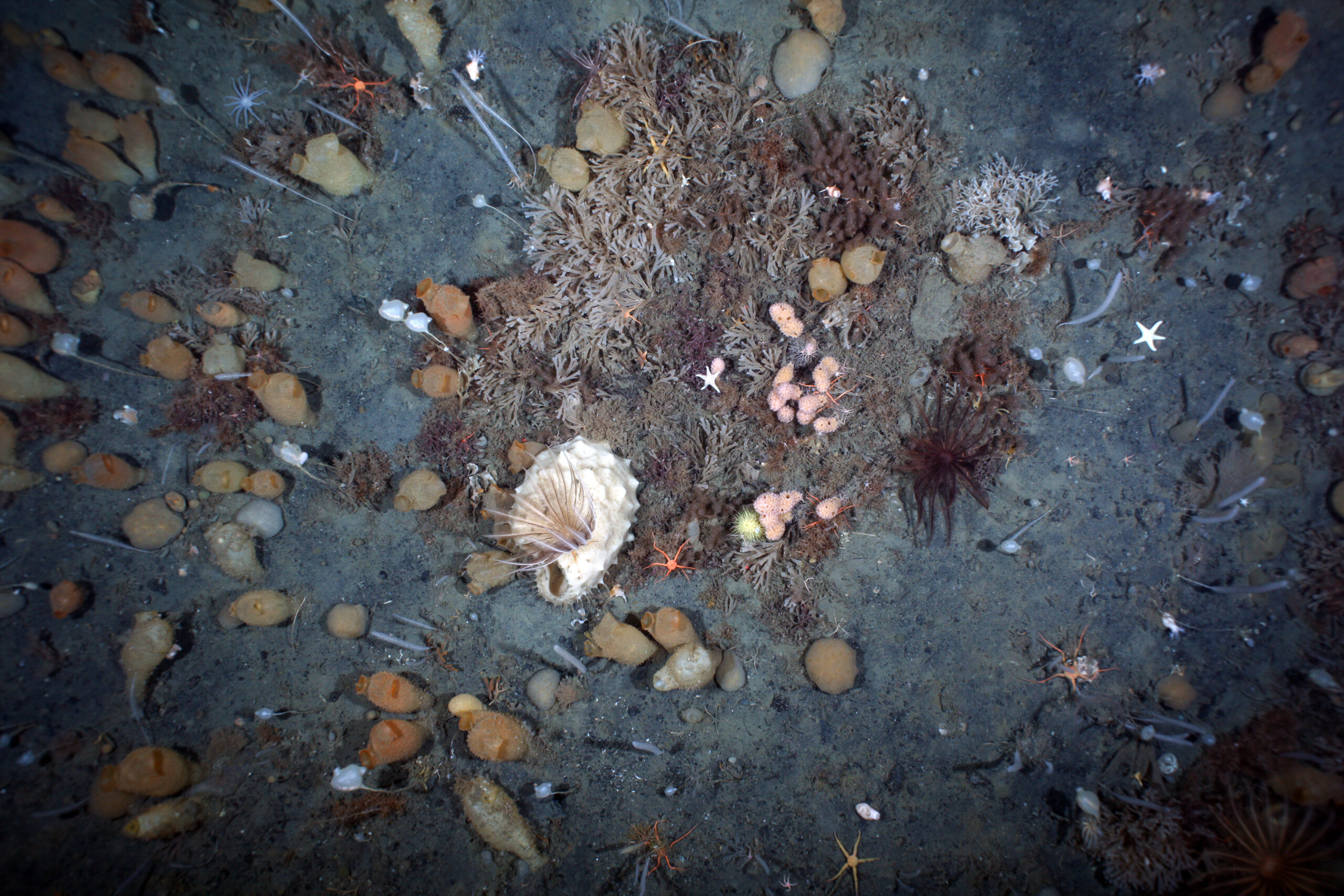
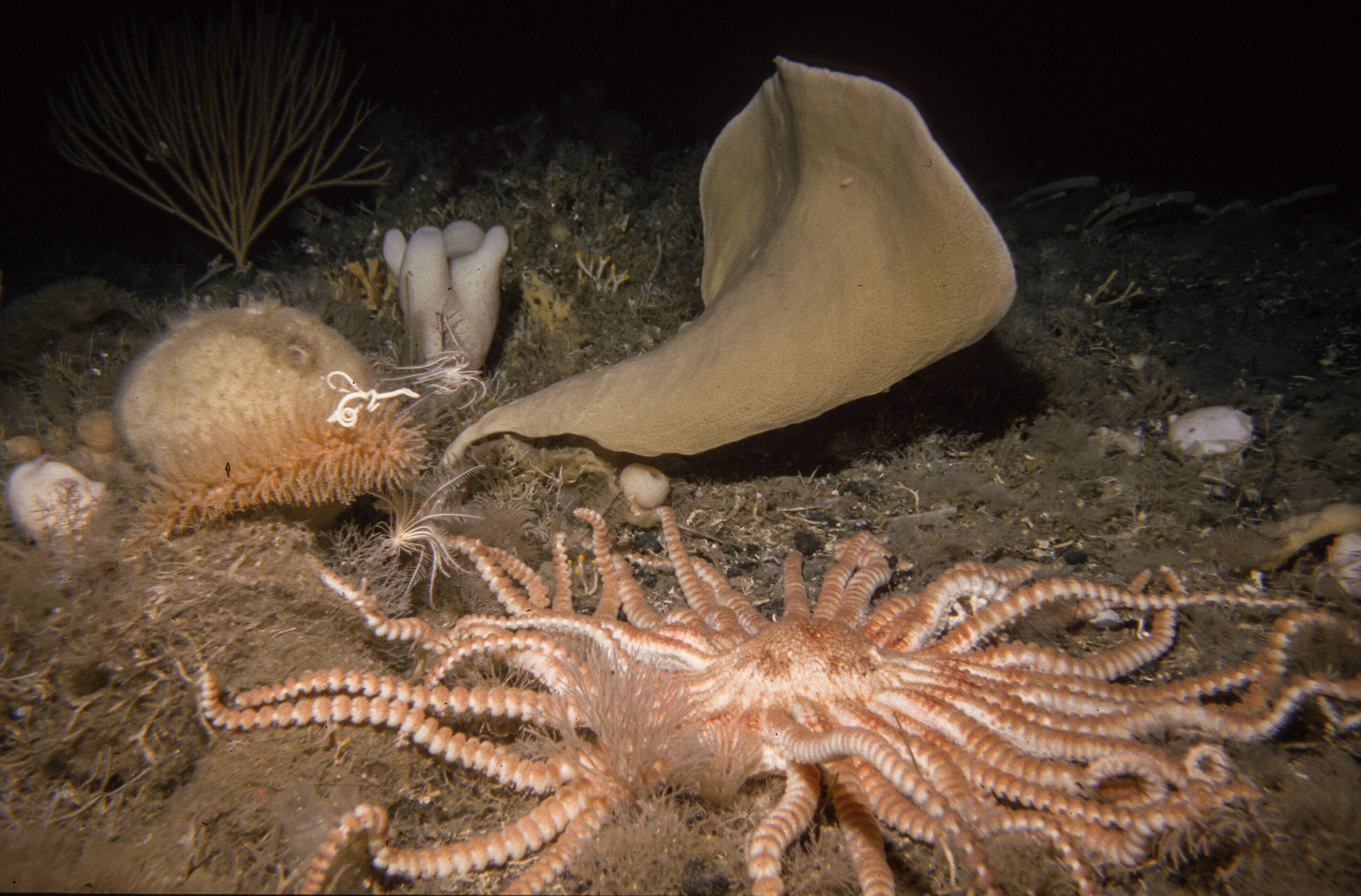
Beneath Antarctica’s icy exterior is a hidden world that science is only beginning to understand. The seafloor, water masses and marine ecosystems of the Southern Ocean shape the Antarctic world above them – yet much of this system is hidden from view.
Now a new digital mapping platform is making information about Antarctica more discoverable, accessible and useful for scientists, policy makers, educators and the community.
Seamap Antarctica brings together data, technology and collaboration to create one place where users can discover, view and work with the Antarctic seafloor and related environmental information.
Launched by the Institute for Marine and Antarctic Studies (IMAS) and the Australian Centre for Excellence in Antarctic Studies (ACEAS) at the University of Tasmania, Seamap Antarctica opens a portal to one of the most remote marine environments on Earth.
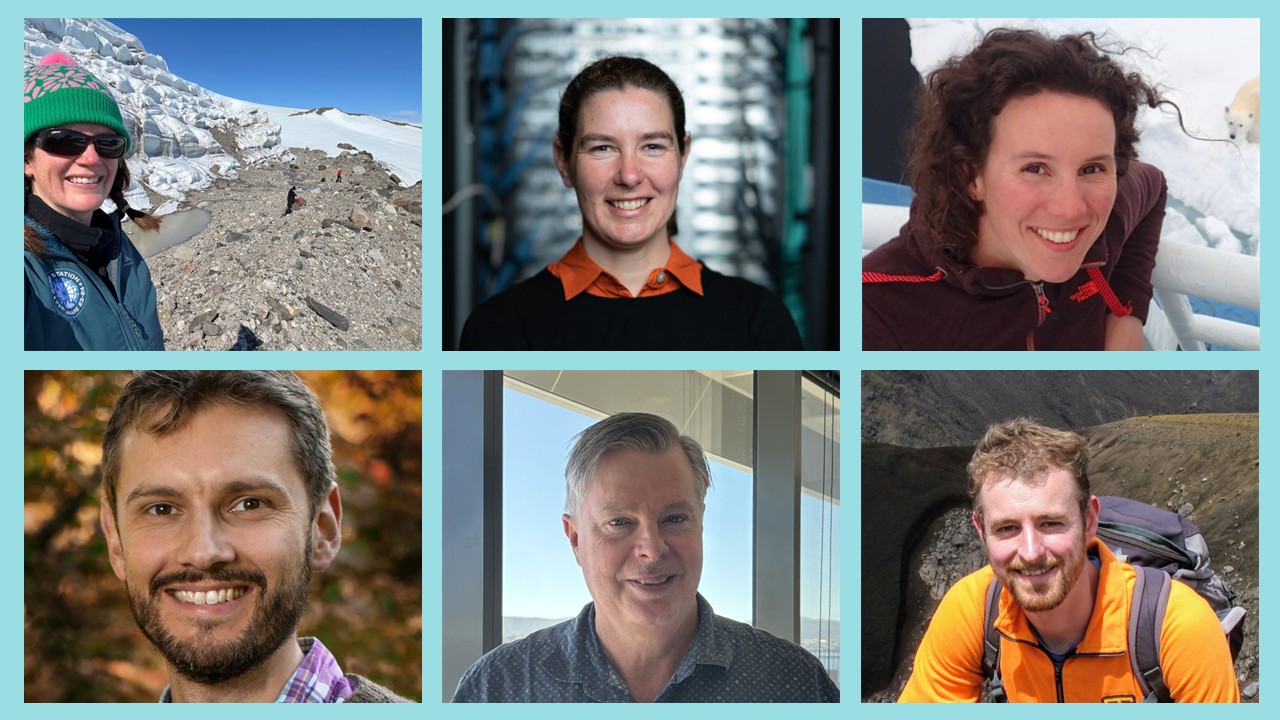
“Seamap Antarctica is a sophisticated Antarctic mapping portal and spatial data platform that is designed to support research, policy, conservation planning, education and communication,” said Co-founder, Professor Vanessa Lucieer, who is a marine spatial analysis expert and leads the Ecology and Biodiversity Centre at IMAS.
“Antarctic science is producing extraordinary volumes of information, with advances in mapping, imaging and observation revealing parts of the Antarctic seafloor and marine environment that were previously unknown.
“We have designed Seamap Antarctica to meet that challenge, bringing together huge volumes of information that would otherwise remain scattered across institutions, formats and disciplines. And that fragmentation has limited its collective value until now.”
Co-founder and IMAS data architect, Dr Emma Flukes, said one of the strengths of Seamap Antarctica is that it offers familiar mapping tools for spatial data users, while still being accessible to people who don’t use Geographic Information Systems (GIS) every day.
“Users can combine layers, reorder them, adjust opacity, switch between legends and filters, configure a map view for a specific purpose, and share it with colleagues and collaborators,” Dr Flukes said.
“This makes Seamap Antarctica important not only for data discovery but also for communication.
“A researcher might use it to frame a new question; a manager to assess what information exists in a region; a teacher to show students how environmental and biological information come together spatially; and a policymaker to understand what evidence is available and where the gaps remain.”
Professor Lucieer said that improving our collective understanding of the Antarctic marine environment means bringing the information together in ways that preserve its context, uncertainty and limitations, while supporting consistent interpretation across datasets, scales, and jurisdictions.
“At a time of accelerating environmental change and growing human pressures, we need better ways to bring Antarctic information together so it can be discovered, explored and used,” said Professor Lucieer.
“Seamap Antarctica provides that platform, and we are excited to make it publicly available as we continue to grow this incredibly vital interactive knowledge bank.”
Let’s explore: Seamap Antarctica
This article was originally published by the Institute for Marine and Antarctic Studies at the University of Tasmania.
Subscribe to our newsletter
For more Antarctic news and stories, subscribe to our mailing list here.