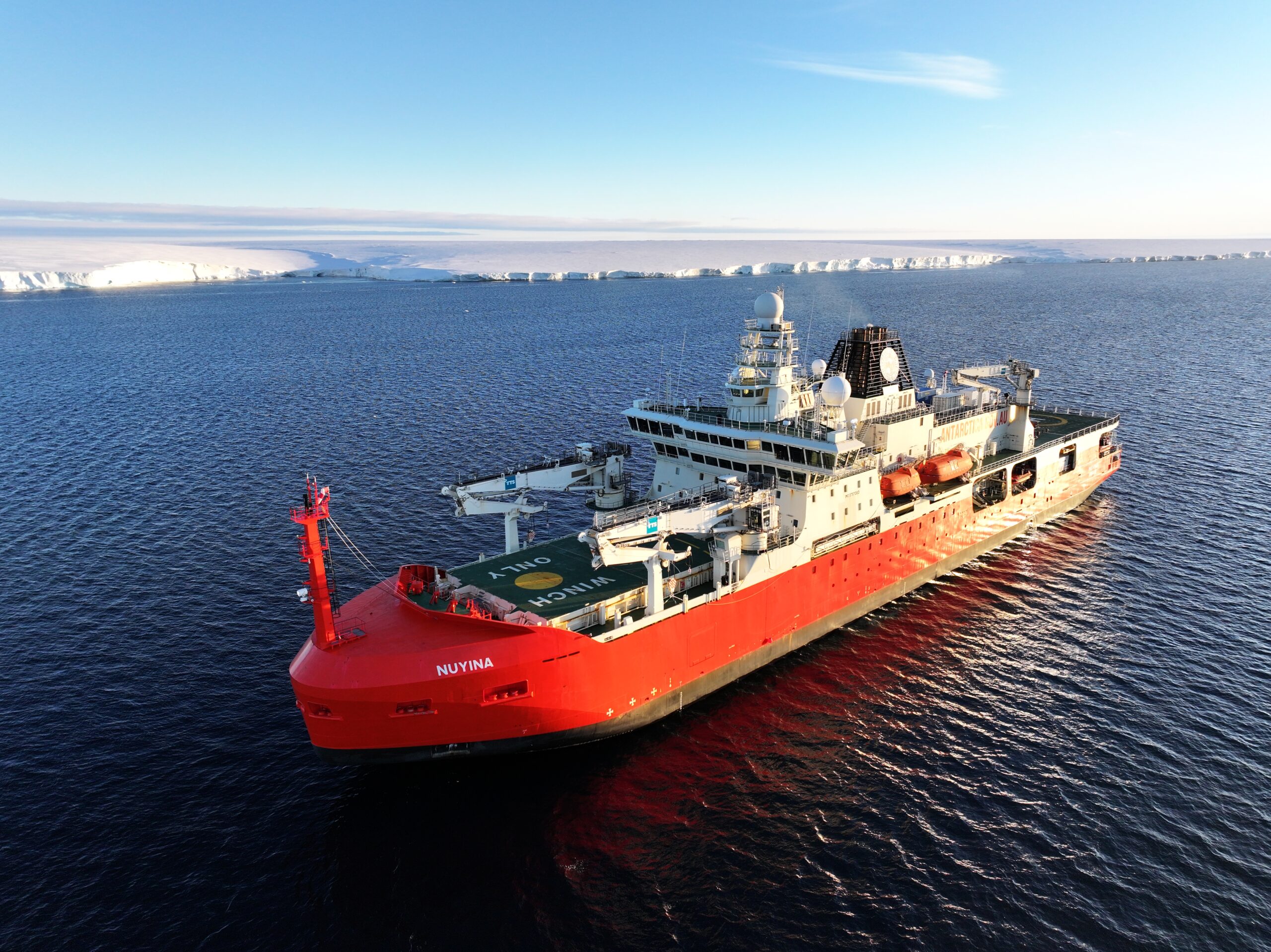
Meet ACEAS new Chief Investigator: Dr Chen Zhao
ACEAS new Chief Investigator, Dr Chen Zhao (UTAS), has spent more than a decade in Hobart studying Antarctica’s ice sheets and their role in global sea-level rise. We spoke with Chen about her journey from China to Tasmania, her research, and her advice for the next generation of scientists.
Q: What first drew you to Antarctic science?
I started my research during my master’s degree in China. My background was in remote sensing and GIS, and one day a professor mentioned an opportunity to study Antarctica. Honestly, my first motivation wasn’t the ice – it was the penguins! I hoped to see them in the wild, not in a zoo. That curiosity led me to Antarctic research and eventually to a PhD in Tasmania.
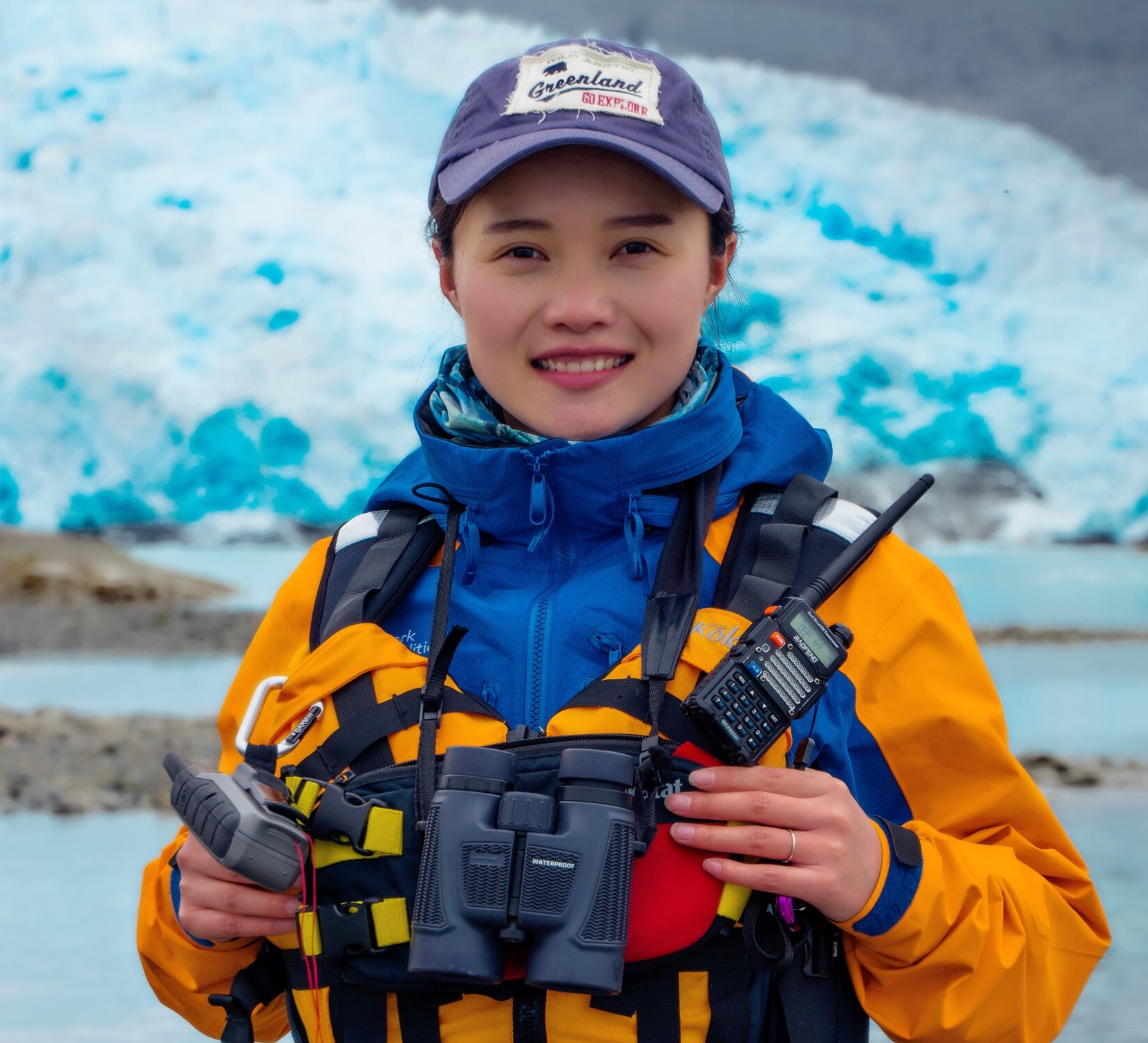
Q: Can you tell us about your journey to Hobart?
After my master’s, I applied for a PhD. Hobart appealed to me because it is globally recognised for Antarctic and marine science. I was fortunate to receive an offer from Professor Matt King at the University of Tasmania. It was a life-changing opportunity – and a brave decision. I arrived in Hobart in 2014 with limited English and no idea where Tasmania was.
Being here means working alongside world-leading researchers and having access to incredible resources and collaborations. Over time, I’ve built confidence through my PhD and early postdoctoral work, supported by a welcoming and diverse research community.
Q: What is your current research focus?
My work aims to reduce uncertainty in projections of Antarctic ice-sheet contribution to sea-level rise. A major part of this is understanding basal melting – the melting that happens underneath ice shelves where they meet the ocean. Warm ocean water flows beneath the ice and accelerates melting, which can destabilise the ice sheet and increase the amount of ice flowing into the ocean.
We also study subglacial hydrology, the hidden meltwater beneath the ice sheet. Recent research shows these drainage systems can significantly affect how fast ice slides toward the ocean. If we don’t represent these feedbacks accurately in models, we risk underestimating how quickly some regions could reach tipping points – potentially decades earlier than expected.
To improve predictions of future sea levels, I’m working on coupled models that link ice, ocean and hydrology processes. This is technically challenging and computationally expensive, but it’s essential for building confidence in future projections.
Q: Why is basal melting such a critical process?
Basal melting is one of the main drivers of ice-shelf thinning and collapse. When an ice shelf thins or breaks apart, it removes the 'buttress' that slows the flow of grounded ice into the ocean. That means more ice moves seaward, accelerating sea-level rise. Understanding this process – and how ocean warming interacts with ice dynamics and subglacial meltwater discharge – is key to predicting how fast Antarctica will change under different climate scenarios.
Q: Why does this matter for communities globally?
Sea-level rise is not just a number – it affects people’s lives. Coastal regions and Pacific nations face much higher local sea-level rise than the global average. Our research provides evidence to help policymakers prepare for these changes. Australia is also among the countries experiencing higher-than-average sea-level rise, so this work is critical for planning and resilience.
Q: You recently contributed to the National Climate Risk Assessment. What was that experience like?
It was a great opportunity to work with researchers across disciplines and provide input on Antarctic and Southern Ocean changes. These assessments help translate science into action – showing what risks we face and how to prepare.
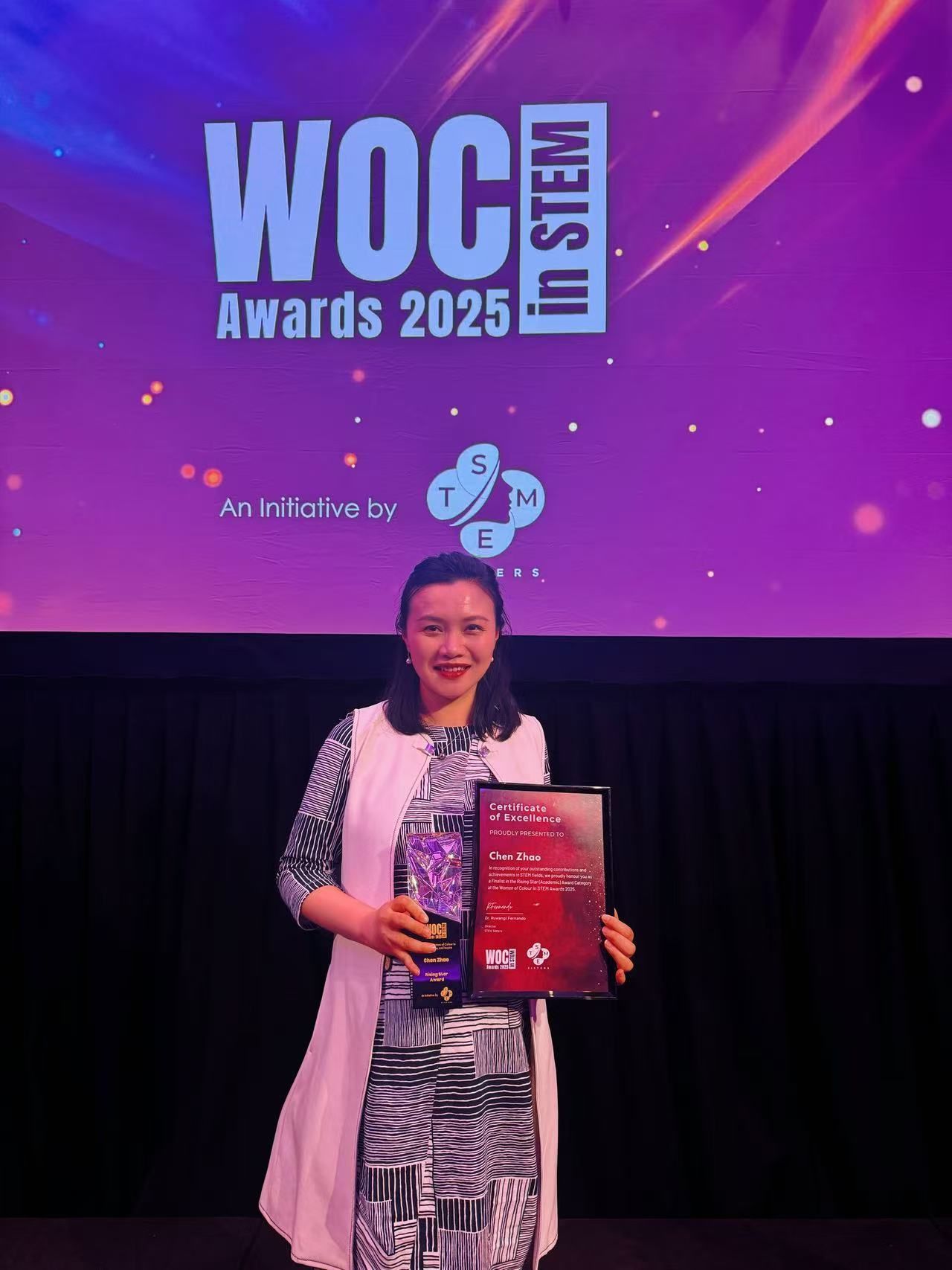
Q: You’ve recently received major awards, including being named Tasmania’s 2025 Young Tall Poppy of the Year and receiving the Rising Star award at the 2025 Women of Colour in STEM Awards. What do these mean to you?
I feel grateful and surprised. These awards recognise not only research excellence but also science communication. For me, it’s about inspiring others – especially students whose first language isn’t English – to share their work confidently. It’s not about perfect language; it’s about telling a compelling story.
Q: What advice do you have for early-career researchers?
Don’t judge yourself before you try. If you meet the criteria, apply – let the panel decide. I’ve applied for many opportunities, and each one taught me something. Believe in yourself, and remember there are people around you who will support you.
Q: How do you approach mentoring?
Mentorship is about helping students become independent researchers. I encourage them to be driven by curiosity and to solve problems themselves, while knowing I’m here to guide them. I’ve had great mentors who always said “yes” when I needed help, and I want to do the same for others.
Dr Chen Zhao is a Chief Investigator with ACEAS and an ARC DECRA Fellow. Her research focuses on Antarctic ice-sheet dynamics, ocean interactions and improving models to predict future sea-level rise.
----
Read some of Chen's recent research
- Subglacial water amplifies Antarctic contributions to sea-level rise | Nature Communications
- Effects of Sediment‐Laden Subglacial Discharge on Ice Shelf Basal Melting and Seabed Evolution | Journal of Geophysical Research: Oceans
- Evaluation of an emergent feature of sub-shelf melt oscillations from an idealized coupled ice sheet–ocean model using FISOC (v1.1)– ROMSIceShelf (v1.0)– Elmer/Ice (v9.0) | Geosci. Model Dev