News

ACEAS highlights of 2025: a year of discovery, impact and urgency

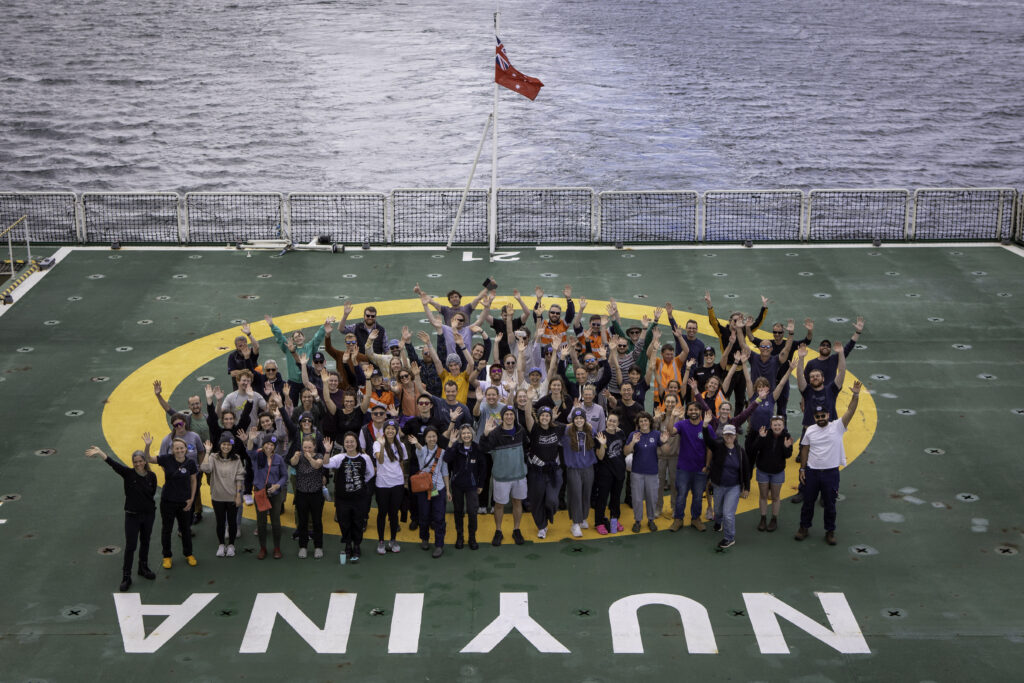
ACEAS highlights of 2025: a year of discovery, impact and urgency 2025 marked a transformative year for the Australian Centre for Excellence in Antarctic Science (ACEAS), with groundbreaking fieldwork, influential publications, and growing global recognition of its scientific leadership. As the world grapples with accelerating climate risks, ACEAS’s research continues to illuminate the critical role

ACEAS highlights of 2025: a year of discovery, impact and urgency Read More »

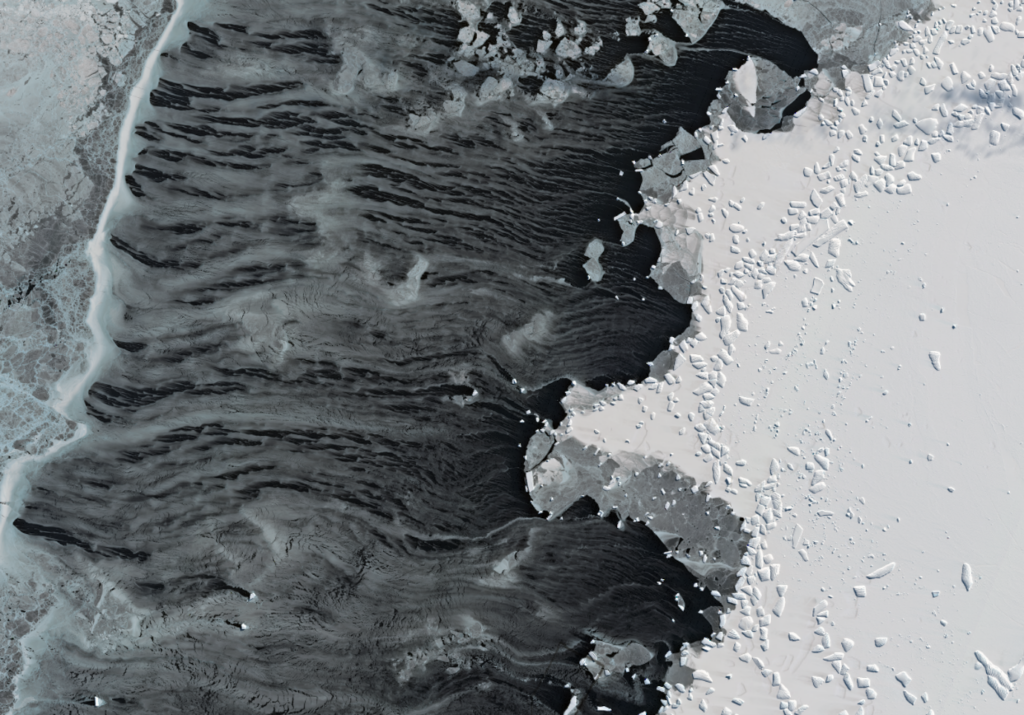
A satellite image of Dibble Polynya taken on September 16, 2023 (Credit: European Space Agency Sentinel-2B)

‘Sea ice factory’ in East Antarctica revealed as unexpected global current driver

‘Sea ice factory’ in East Antarctica revealed as unexpected global current driver A new study by Australian and Japanese researchers has uncovered a surprising source of deep-ocean ventilation in East Antarctica – one that could have implications for global ocean currents and climate systems. The research, published in the Nature journal Communications Earth & Environment,

‘Sea ice factory’ in East Antarctica revealed as unexpected global current driver Read More »

COOKIES Blog #1 – Cook Ice Shelf research: why it’s important

Cook Ice Shelf research: why it’s important By Dr Linda Armbrecht, Australian Centre for Excellence in Antarctic Science / Institute for Marine and Antarctic Studies (University of Tasmania) and Joline Lalime, Sea2SchoolAU The Cook Ice Shelf sits in a remote part of East Antarctica, but it plays a major role in Earth’s climate system. Recent

COOKIES Blog #1 – Cook Ice Shelf research: why it’s important Read More »

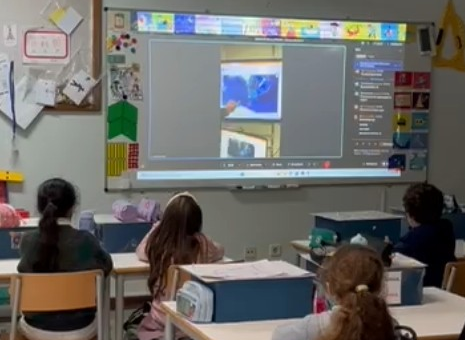
EB1JI do Parrinho School, Portugal (Credit F. Rosario)

COOKIES Blog #2 – Voyage to Antarctica – without leaving the classroom

Voyage to Antarctica – without leaving the classroom By Joline Lalime, Sea2SchoolAU EB1JI do Parrinho School, Portugal (Image Credit: F. Rosario) How much do you or your students know about Australia’s research vessel, the CSIRO research vessel (RV) Investigator? Why do scientists travel thousands of kilometres south to study the oceans around Antarctica? How does

COOKIES Blog #2 – Voyage to Antarctica – without leaving the classroom Read More »

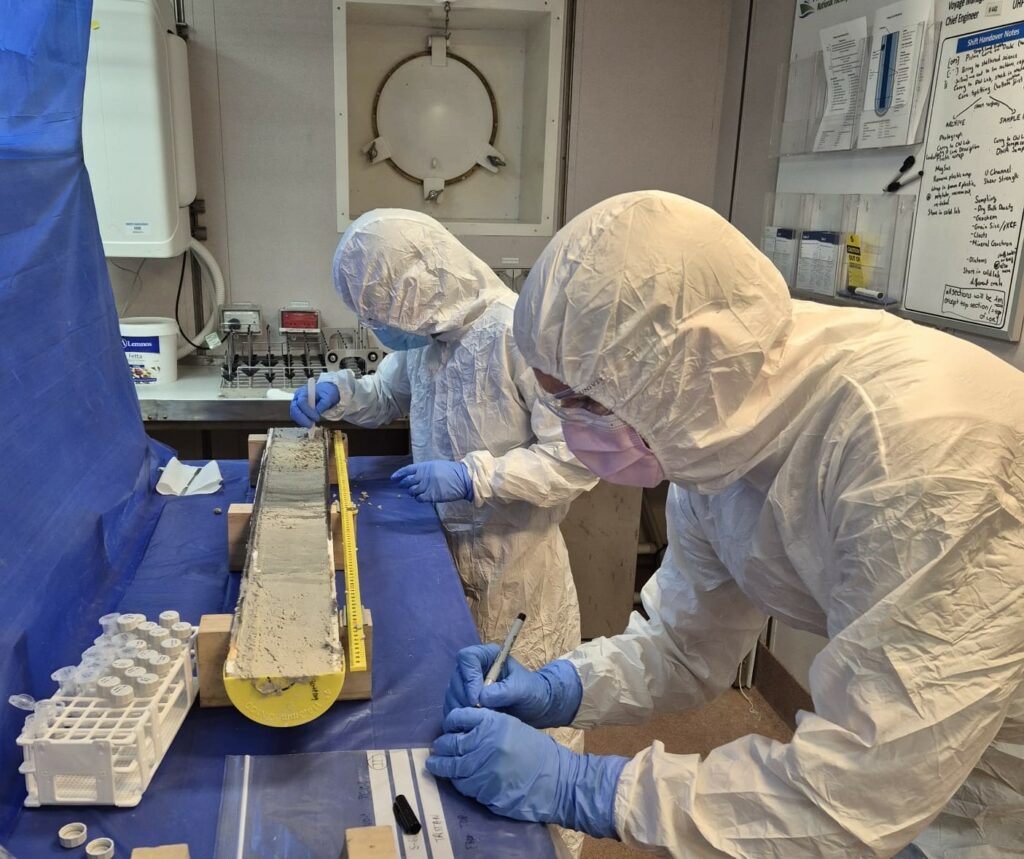
Ana Gomes, Research Fellow (back) and Dr Tristan Cordier, Senior Researcher from NORCE (Norwegian Research Centre) conducting sedaDNA sampling from a Piston Core section (Image Credit: L. Armbrecht)

COOKIES Blog #3 – What’s the big deal about sedimentary ancient DNA?

What’s the big deal about sedimentary ancient DNA? By Ana Gomes, Research Fellow, NORCE/Bjerknes Centre for Climate Research and Joline Lalime, Sea2SchoolAU Most people don’t get excited about mud – but for us, there is nothing more satisfying than a long, continuous, and well-preserved sediment core. What looks like ordinary mud is actually a layered

COOKIES Blog #3 – What’s the big deal about sedimentary ancient DNA? Read More »

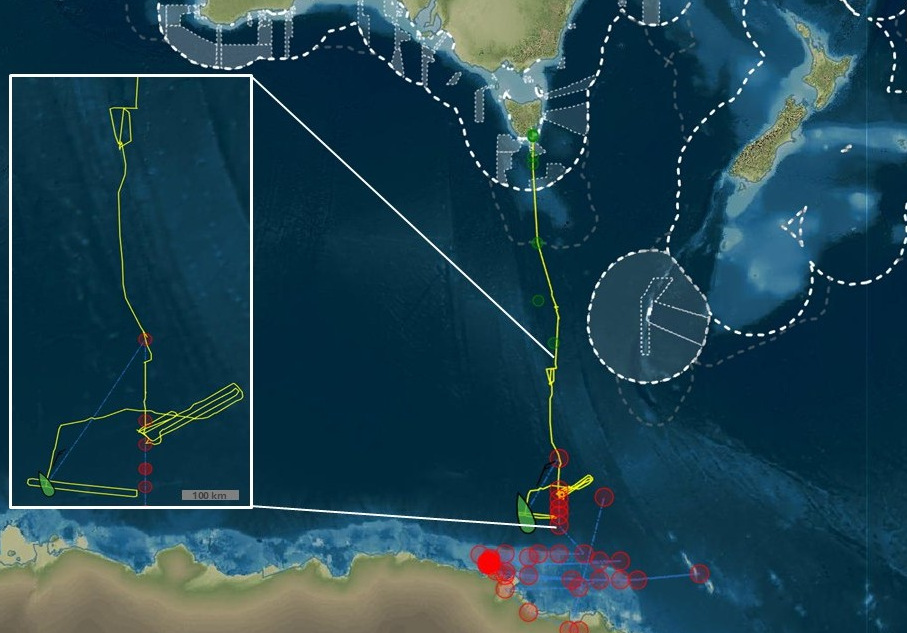
RV Investigator’s Track, COOKIES Voyage to date

COOKIES Blog #4 – Listening to the deep: how sound maps the seabed

Listening to the deep: how sound maps the seabed By Laura De Santis, Senior Scientist (National Institute of Oceanography and Applied Geophysics OGS, Trieste, Italy) and Joline Lalime, Sea2SchoolAU The seafloor in the region surrounding the Antarctic continent is not flat and uninteresting; rather, it is characterised by distinctive bedforms – wave-like features made of

COOKIES Blog #4 – Listening to the deep: how sound maps the seabed Read More »

COOKIES Blog #5 – The longest story ever pulled from the seafloor on the RV Investigator

The longest story ever pulled from the seafloor on the RV Investigator By Dr Linda Armbrecht, Australian Centre for Excellence in Antarctic Science/Institute for Marine and Antarctic Studies (University of Tasmania) and Joline Lalime, Sea2SchoolAU Sediment lying beneath the ocean floor acts like a natural archive. Layer by layer, fine grains and pieces of rock

COOKIES Blog #5 – The longest story ever pulled from the seafloor on the RV Investigator Read More »

New model correction improves predictions of Antarctic ice shelf melt

New model correction improves predictions of Antarctic ice shelf melt Accurately predicting how Antarctic ice shelves melt is critical for understanding future sea-level rise and global climate change. A recent study led by ACEAS PhD researcher Claire Yung from the Australian National University introduces a correction to ocean models that could significantly improve these predictions.

New model correction improves predictions of Antarctic ice shelf melt Read More »