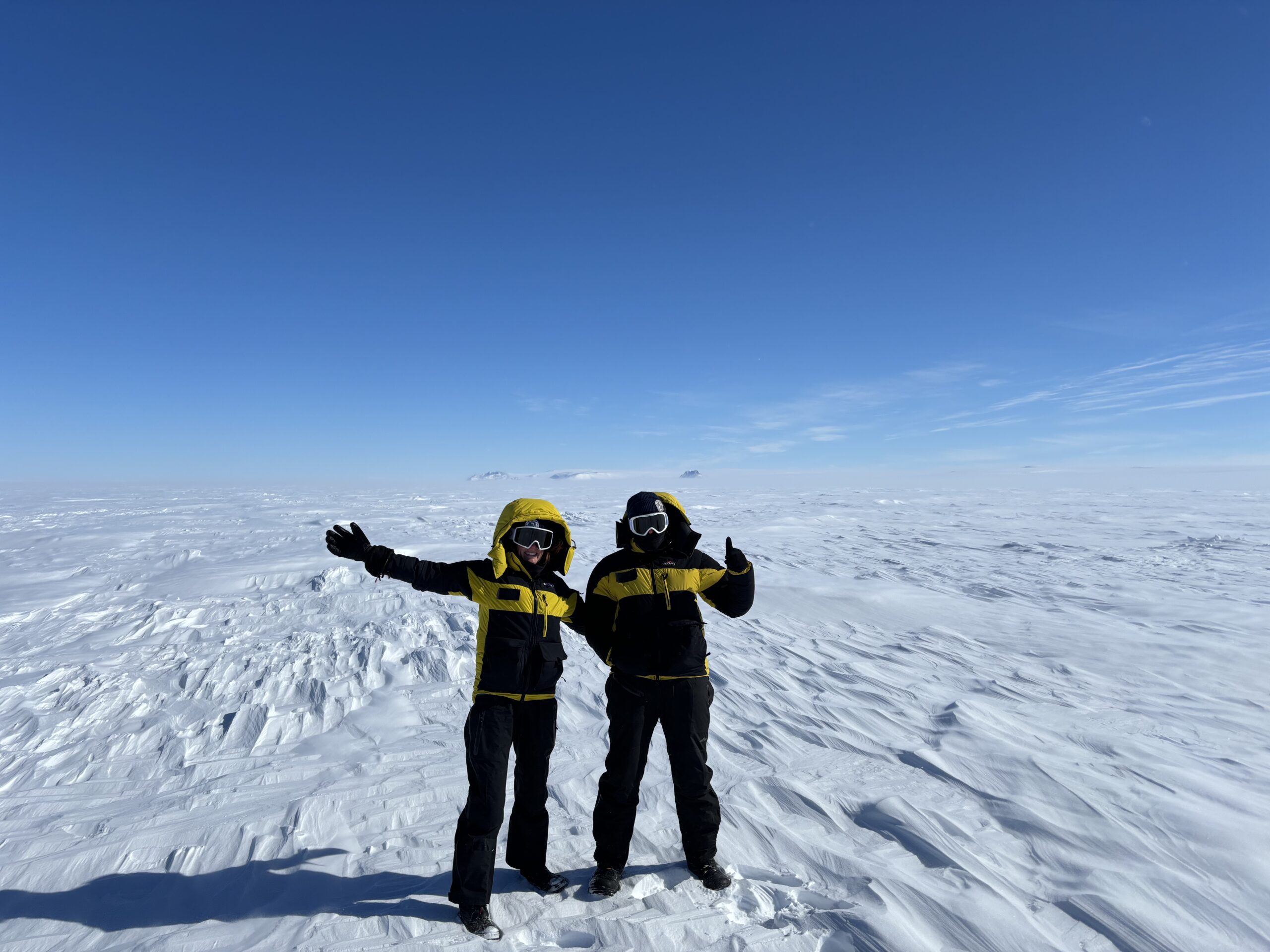
ACEAS researchers awarded ARC Discovery Project grant to unlock East Antarctica’s secrets
A team of scientists from the Australian Centre for Excellence in Antarctic Science (ACEAS) has received a prestigious Australian Research Council (ARC) Discovery Project grant to investigate East Antarctica’s Aurora Subglacial Basin – a region considered one of the biggest risks for multi-metre sea level rise this century.
Led by ACEAS Chief Investigator Associate Professor Jacqui Halpin (University of Tasmania), the project was awarded $859,029 over a three-year period and includes team members Dr Taryn Noble (University of Tasmania), Associate Professor Alan Aitken (University of Western Australia), Dr Jacob Mulder (University of Adelaide), and Dr Katharina Hochmuth (University of Tasmania).
“This project will set a new benchmark for understanding ice loss in East Antarctica,” said Associate Professor Halpin. “By combining new geological observations with numerical modelling, we aim to quantify past ice sheet retreat during a previous warm period – the Pliocene, around 3 to 3.3 million years ago – that will help others improve projections for the decades ahead.”
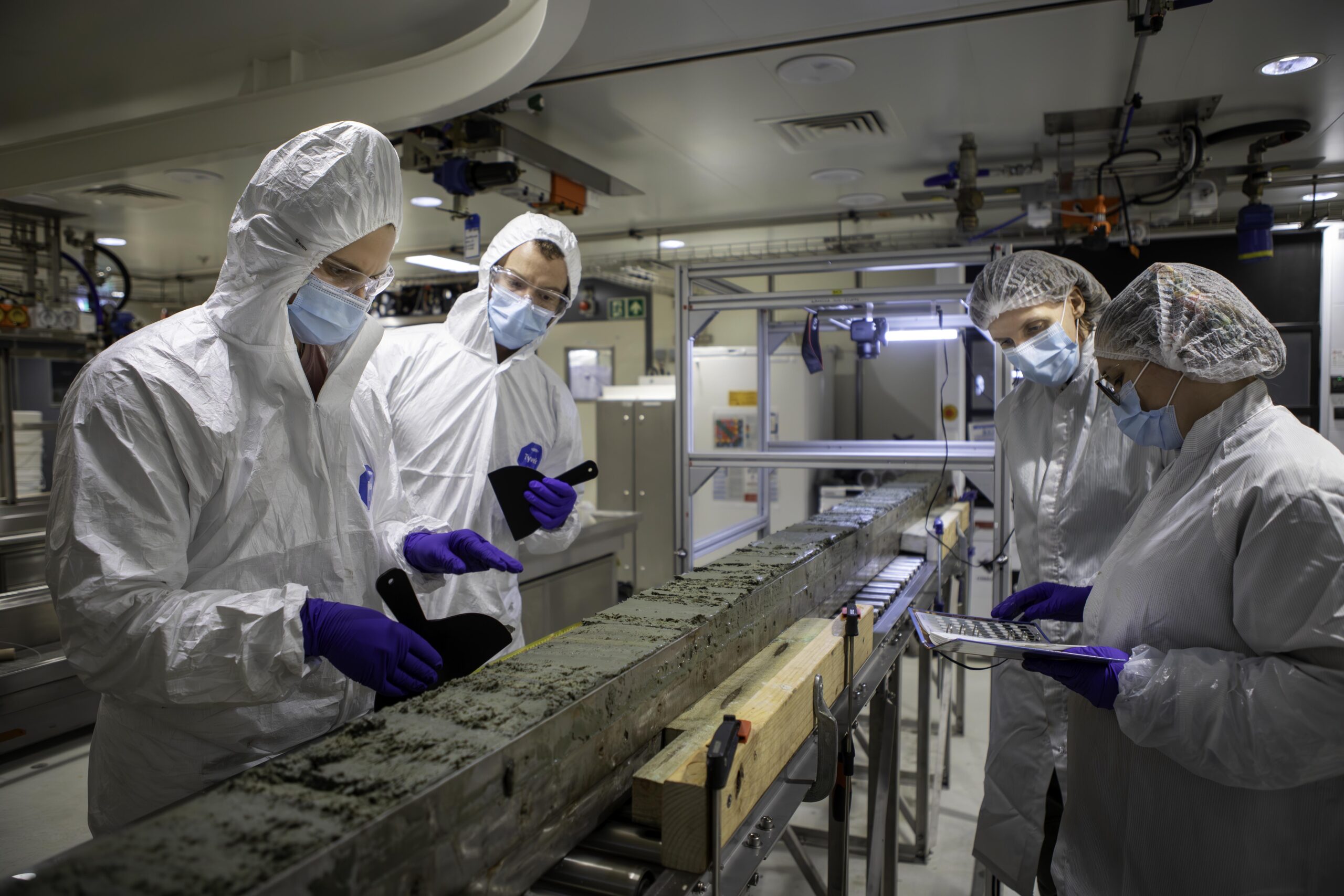
The research will leverage insights and data from recent major fieldwork co-led by ACEAS, including the Denman Terrestrial Campaign and Denman Marine Voyage.
ACEAS Director Professor Matt King said: “This ARC grant is a testament to the calibre of Antarctic science led by ACEAS researchers. Their work will provide critical insights into how Antarctica responds to a warmer climate, and help Australia better prepare for change from Antarctica and the Southern Ocean.”
The ARC Discovery Projects scheme supports excellence in fundamental research and aims to expand Australia’s knowledge base, foster collaboration, and deliver long-term national benefit. During the 2026 round, the Government will invest more than $370 million in over 520 projects across science, technology, humanities and social sciences.
For more information on the ARC Discovery Projects scheme, visit arc.gov.au.