Warning signs from Antarctica: new ACEAS explainer brings recent extremes into focus
Antarctica may feel remote from everyday life in Australia, but recent events show just how closely connected the frozen continent is to our shores.
A new explainer from the Australian Centre for Excellence in Antarctic Science (ACEAS) brings together some of the most significant changes observed across Antarctica in recent years – from record-low sea ice and major heatwaves to the spread of highly pathogenic avian influenza (H5N1), which has recently reached mainland Australia.
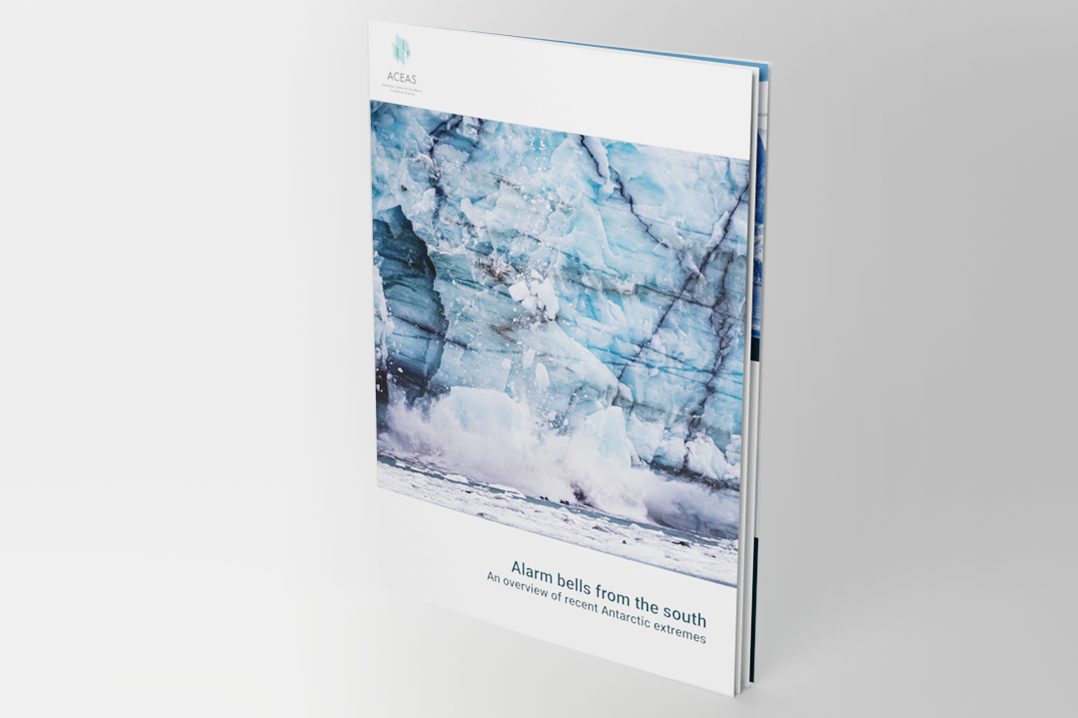
Alarm bells from the south: an overview of recent Antarctic extremes explores a continent undergoing rapid change, with growing implications for Australia's environment, economy and future.
The explainer, led by ACEAS outgoing Director Professor Matt King from the University of Tasmania, highlights how many of these changes have emerged or accelerated over the past five years, surprising even the scientists who study the continent.
"For a long time, Antarctica was viewed as a place that changed very slowly," Professor King said.
"But over the last five years we've seen an extraordinary number of major changes and extremes emerge across the continent. When viewed together, they paint a concerning picture of a rapidly changing Antarctica."
What does the explainer cover?
Designed for policymakers, stakeholders and the broader community, the explainer brings together the latest scientific evidence on some of the most significant changes now occurring across Antarctica.
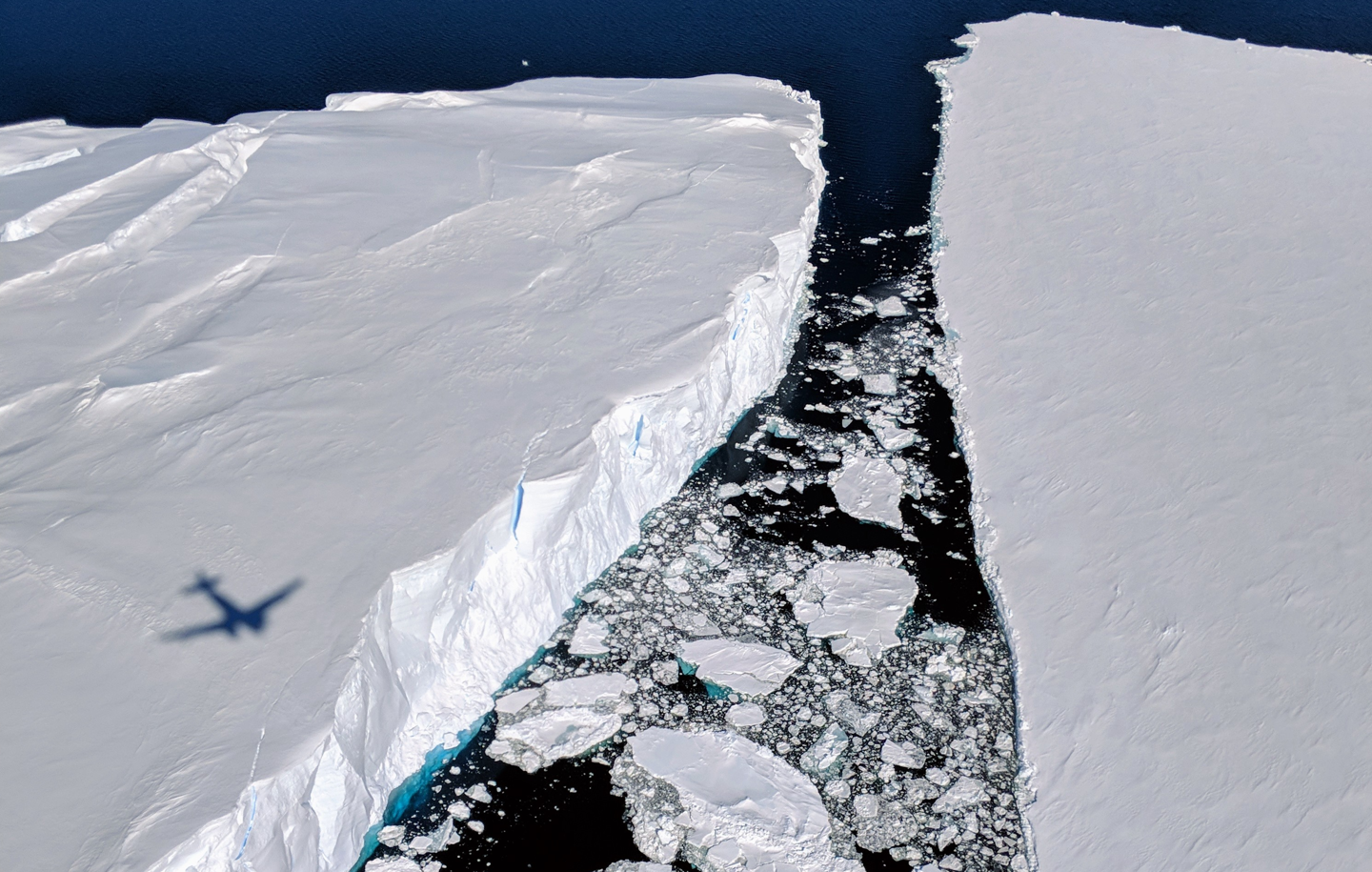
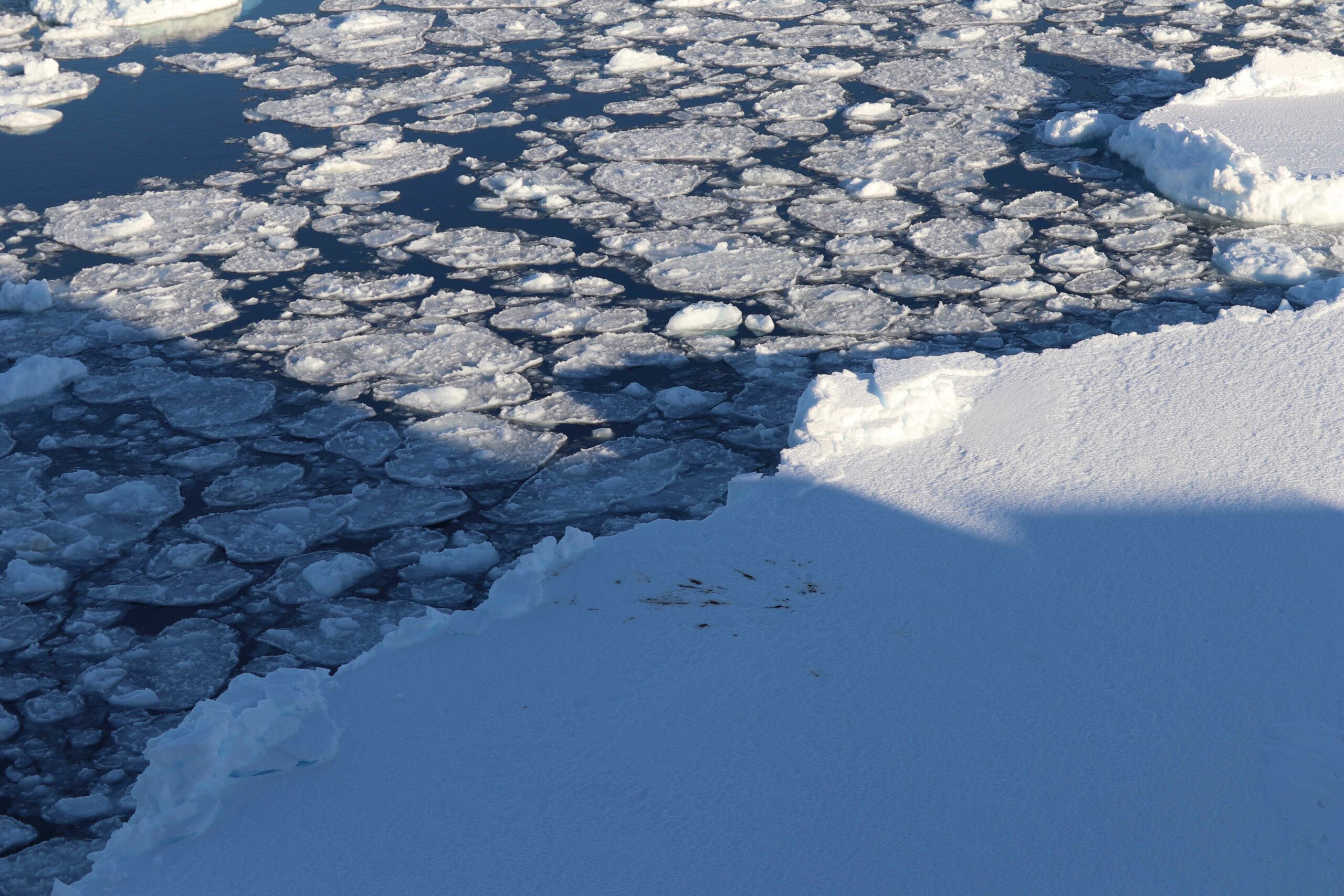
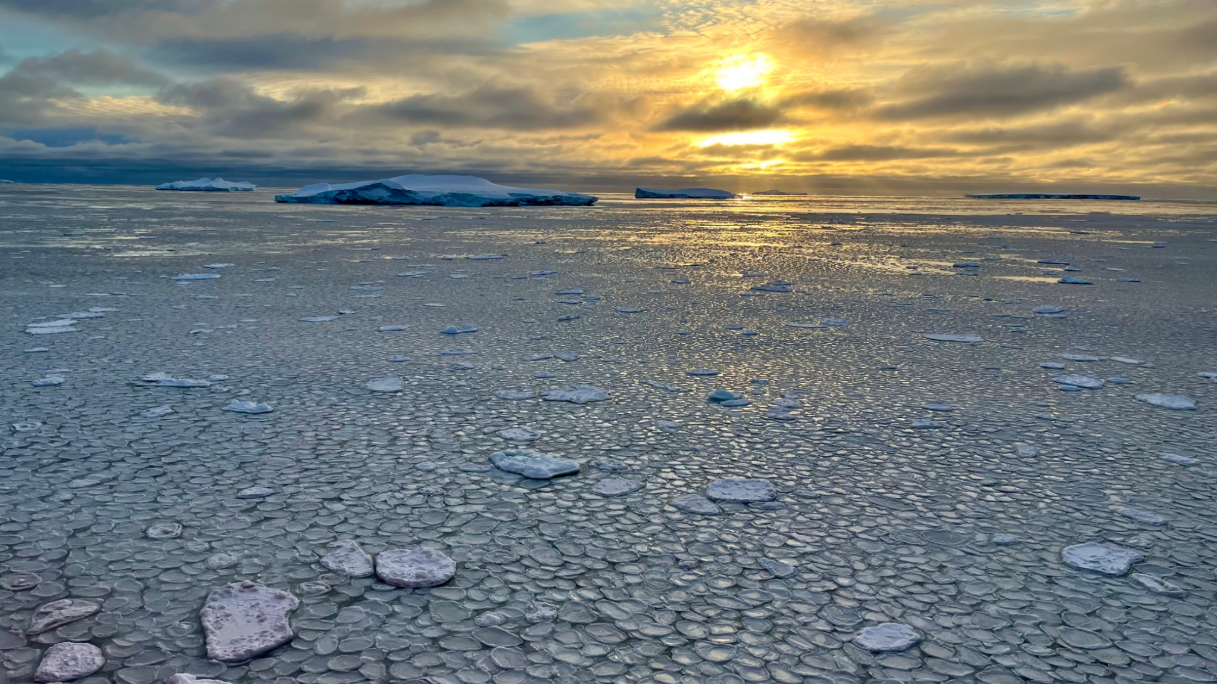
Among the most striking developments are dramatic declines in Antarctic sea ice and a series of unprecedented heatwaves. Since 2022, sea ice extent has repeatedly fallen to record lows, at times lower than normal by an area the size of Western Australia. Some scientists now suggest the Antarctic sea ice system may have entered a new state. Meanwhile, in March 2022, temperatures across large parts of East Antarctica soared 30–40°C above average, while the Antarctic Peninsula has experienced several major heatwave events over the past decade.
While record heatwaves and sea ice decline have attracted global attention, the explainer also highlights a growing biological threat. Since 2023, highly pathogenic avian influenza (H5N1) has spread through parts of the Antarctic and sub-Antarctic region, affecting seabirds and marine mammals before reaching mainland Australia in 2026.
Other concerning trends highlighted in the publication include:
- the collapse of East Antarctica's Conger Ice Shelf in 2022
- ongoing Antarctic ice loss contributing to global sea-level rise
- the slowing of major ocean circulation systems that help regulate Earth's climate
- catastrophic emperor penguin breeding failures linked to record-low sea ice
- evidence of increasing vegetation growth, or ‘greening’, across parts of the Antarctic Peninsula.
Antarctic change is not isolated
The publication explains that these changes are not isolated events. Antarctica plays a critical role in the global climate system, influencing ocean circulation, weather patterns, sea levels and marine ecosystems around the world. What happens there does not stay there.
"Many of these extremes have occurred faster than expected and some remain poorly understood," Professor King said.
"That's why sustained observations of Antarctica are more important than ever. We need long-term monitoring to detect changes early, understand what's driving them and improve our ability to anticipate future impacts."
The explainer concludes that while continued scientific observation and research are essential, the most effective way to limit future change remains reducing greenhouse gas emissions to reach net zero as soon as possible. If warming continues at its current pace, many of today's extremes could become the norm in Antarctica of the future.
"Many of these changes were once considered unlikely to happen this quickly," Professor King said.
"Antarctica is sending us clear warning signs. Understanding those changes is critical, but so is acting on what the science is telling us. Reaching net zero emissions as fast as possible remains our best chance of limiting future impacts."
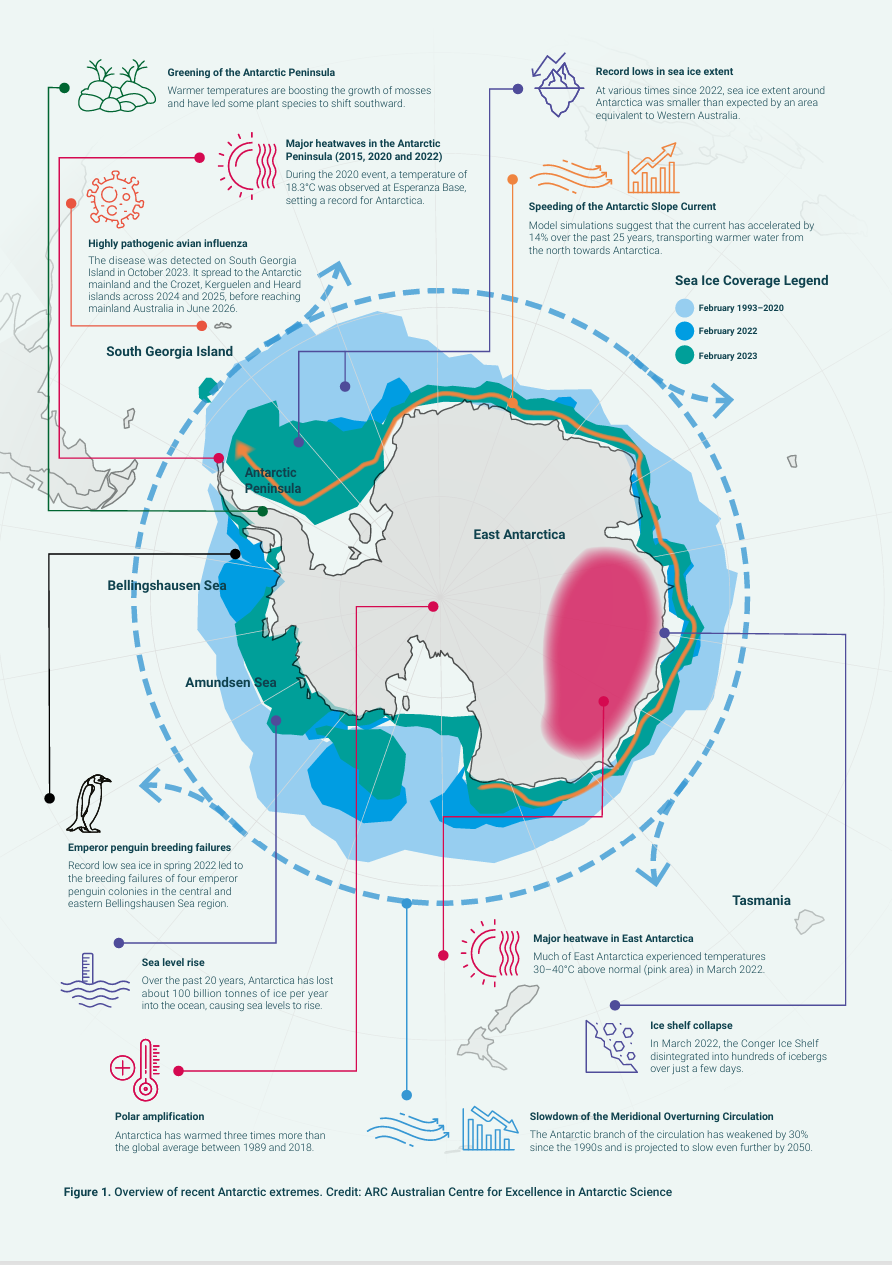
Read the explainer: Alarm bells from the south: an overview of recent Antarctic extremes
Explore our full explainer series here
Stay connected
Sign up to our quarterly newsletter to receive our policy briefings and explainers direct to your inbox.