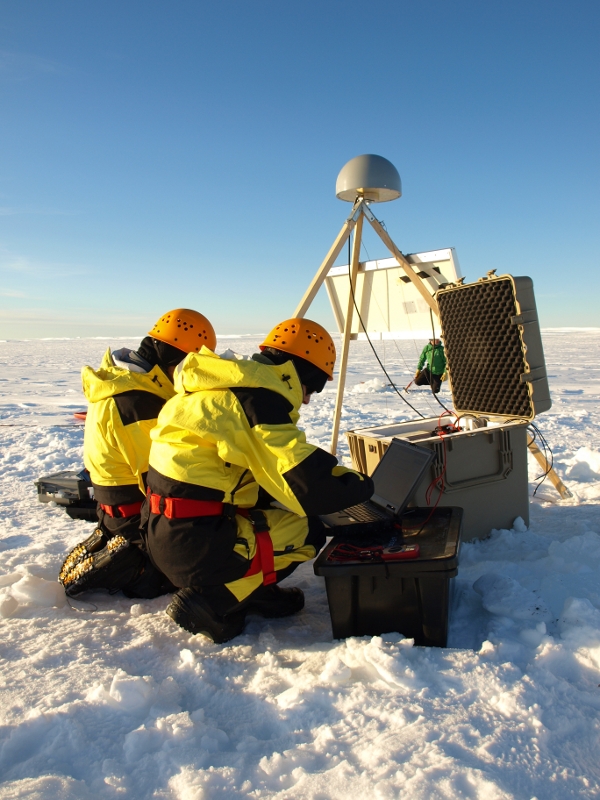
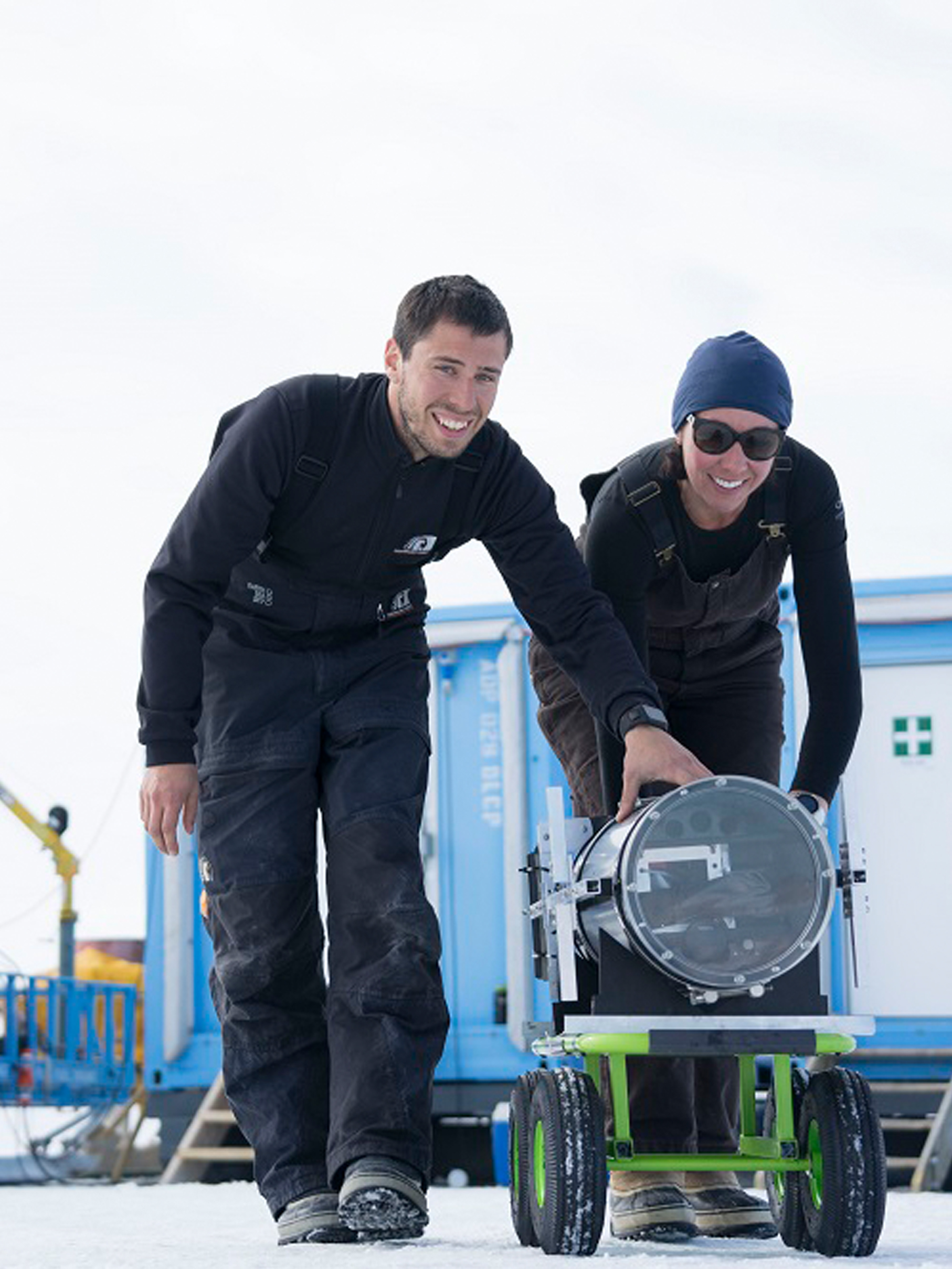
Our objective is to help communities prepare for climate risks emerging from East Antarctica and the Southern Ocean. We will do this by integrating knowledge of the region’s ocean, atmosphere, cryosphere, and ecosystems.
Annual
Report
2024
Denman
Marine
Voyage
The Denman Marine Voyage (DMV) will take more than 60 scientists to the Denman Glacier region for two months in late February, 2025
Science and technical teams will work closely with the ship’s crew across 24-hour shifts and use a range of methods - including bathymetry (sea floor mapping), rock and sediment sampling, sea-glider and mooring deployments, seal tagging and physical and chemical oceanography - to learn more about the factors influencing the glacier’s melt rate and its possible contribution to higher sea levels in future
COOKIES Blog #1 – Cook Ice Shelf research: why it’s important
Cook Ice Shelf research: why it’s important By Dr Linda Armbrecht, Australian Centre for Excellence in Antarctic Science / Institute for Marine and Antarctic Studies (University of Tasmania) and Joline Lalime, Sea2SchoolAu. The Cook Ice Shelf sits in a remote […]
Read More about COOKIES Blog #1 – Cook Ice Shelf research: why it’s important‘Sea ice factory’ in East Antarctica revealed as unexpected global current driver
‘Sea ice factory’ in East Antarctica revealed as unexpected global current driver A new study by Australian and Japanese researchers has uncovered a surprising source of deep-ocean ventilation in East Antarctica – one that could have implications for global ocean […]
Read More about ‘Sea ice factory’ in East Antarctica revealed as unexpected global current driverACEAS highlights of 2025: a year of discovery, impact and urgency
ACEAS highlights of 2025: a year of discovery, impact and urgency 2025 marked a transformative year for the Australian Centre for Excellence in Antarctic Science (ACEAS), with groundbreaking fieldwork, influential publications, and growing global recognition of its scientific leadership. As […]
Read More about ACEAS highlights of 2025: a year of discovery, impact and urgencyAntarctic algae research earns NZ’s stamp of approval
Antarctic algae research earns NZ’s stamp of approval What might happen to microscopic algae living under Antarctic sea ice if light conditions change with climate change? A team of researchers from the Australian Centre for Excellence in Antarctic Science (ACEAS) […]
Read More about Antarctic algae research earns NZ’s stamp of approvalMeet our new Chief Investigator: Dr Chen Zhao
Meet ACEAS new Chief Investigator: Dr Chen Zhao ACEAS new Chief Investigator, Dr Chen Zhao (UTAS), has spent more than a decade in Hobart studying Antarctica’s ice sheets and their role in global sea-level rise. We spoke with Chen about […]
Read More about Meet our new Chief Investigator: Dr Chen ZhaoCOOKIES Blog #1 – Cook Ice Shelf research: why it’s important
Cook Ice Shelf research: why it’s important By Dr Linda Armbrecht, Australian Centre for Excellence […]
Read More about COOKIES Blog #1 – Cook Ice Shelf research: why it’s important‘Sea ice factory’ in East Antarctica revealed as unexpected global current driver
‘Sea ice factory’ in East Antarctica revealed as unexpected global current driver A new study […]
Read More about ‘Sea ice factory’ in East Antarctica revealed as unexpected global current driverACEAS highlights of 2025: a year of discovery, impact and urgency
ACEAS highlights of 2025: a year of discovery, impact and urgency 2025 marked a transformative […]
Read More about ACEAS highlights of 2025: a year of discovery, impact and urgencyAntarctic algae research earns NZ’s stamp of approval
Antarctic algae research earns NZ’s stamp of approval What might happen to microscopic algae living […]
Read More about Antarctic algae research earns NZ’s stamp of approvalMeet our new Chief Investigator: Dr Chen Zhao
Meet ACEAS new Chief Investigator: Dr Chen Zhao ACEAS new Chief Investigator, Dr Chen Zhao […]
Read More about Meet our new Chief Investigator: Dr Chen Zhao
Denman
Terrestrial
Campaign
The Denman Terrestrial (land) Campaign runs from 2022 – 2025 and aims to increase our understanding of the Denman Glacier's history and stability through research projects staged from a deep field camp at Bunger Hills, about 450 kilometres from Casey research station