Antarctic sea-ice loss linked to declining productivity in the Southern Ocean
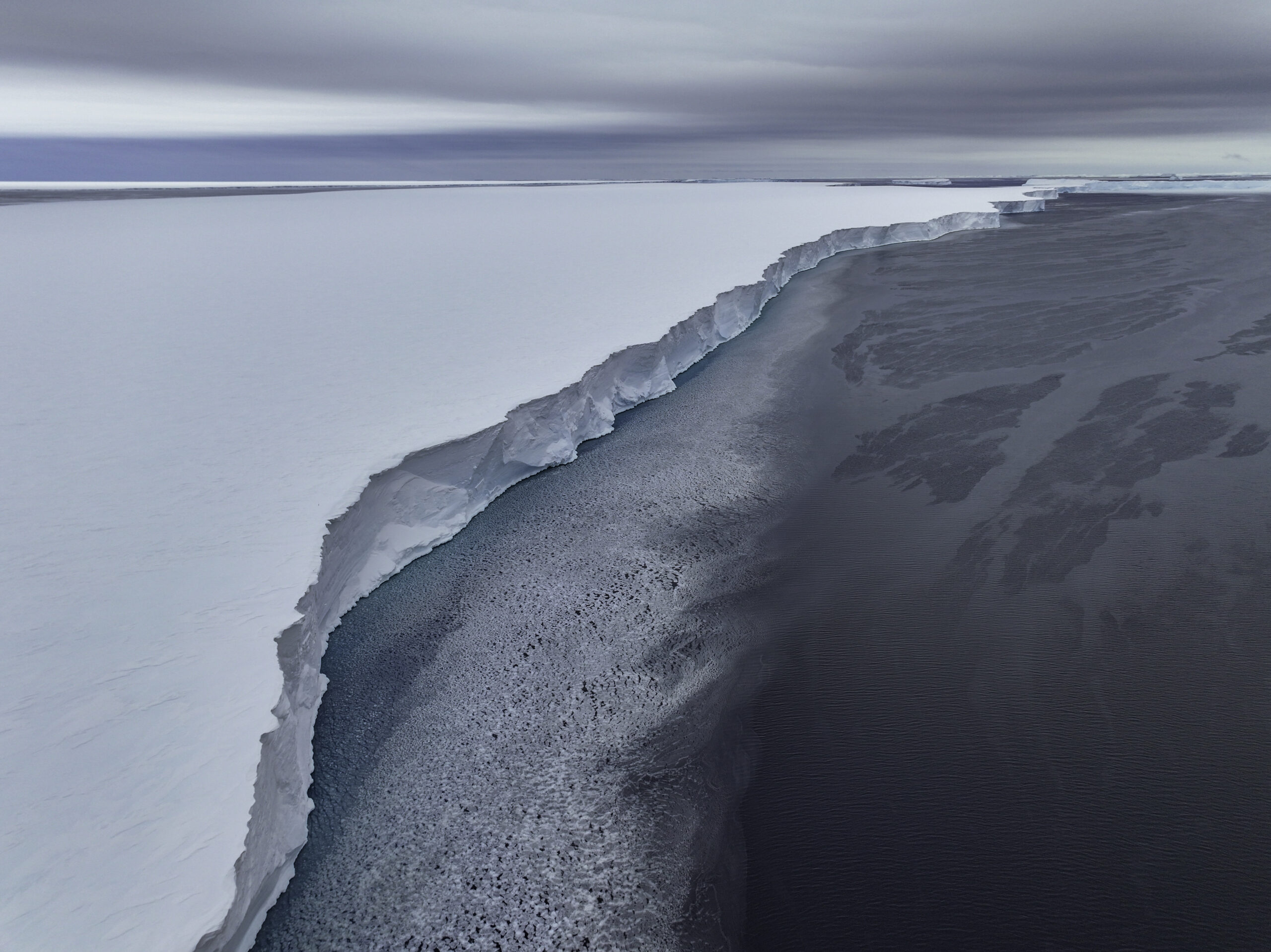
New research by two scientists from the Australian Centre for Excellence in Antarctic Science (ACEAS) suggests that recent Antarctic sea-ice losses may be responsible for lower phytoplankton biomass in parts of the Southern Ocean the following year, with potential implications for marine food webs and carbon uptake.
The study, published in Geophysical Research Letters, analysed 26 years of satellite observations of sea ice and chlorophyll-a, a satellite-observed indicator of phytoplankton biomass. It found that phytoplankton levels in one year were associated with sea-ice conditions in the preceding year, particularly in ice-proximal Southern Ocean frontal zones, the areas of the Southern Ocean close to Antarctica where major ocean fronts occur near the Antarctic ice sheet or ice shelves.
Lead author, ACEAS researcher Dr Md Rony Golder, from Curtin University, said the research began with a simple observation.
"When I started investigating year-to-year phytoplankton variability in the Southern Ocean, I noticed the patterns looked remarkably similar to changes in sea ice," Dr Golder said.
"That led us to ask whether the two were connected, and ultimately we found a strong relationship between sea-ice conditions in current year and phytoplankton growth in the following year."
Tiny organisms with a global impact
Phytoplankton are microscopic algae that drift through the ocean. Despite their tiny size, they perform an outsized role in the Earth's climate system. Like plants on land, they absorb carbon dioxide through photosynthesis, helping remove greenhouse gases from the atmosphere. They also form the foundation of Antarctic food webs, supporting species ranging from krill and fish to seabirds, seals and whales.
The Southern Ocean is particularly important because it absorbs a significant proportion of the excess heat and carbon dioxide generated by human activities, making it one of the world's most important climate regulators.
Sea ice may leave a lasting ecological signal
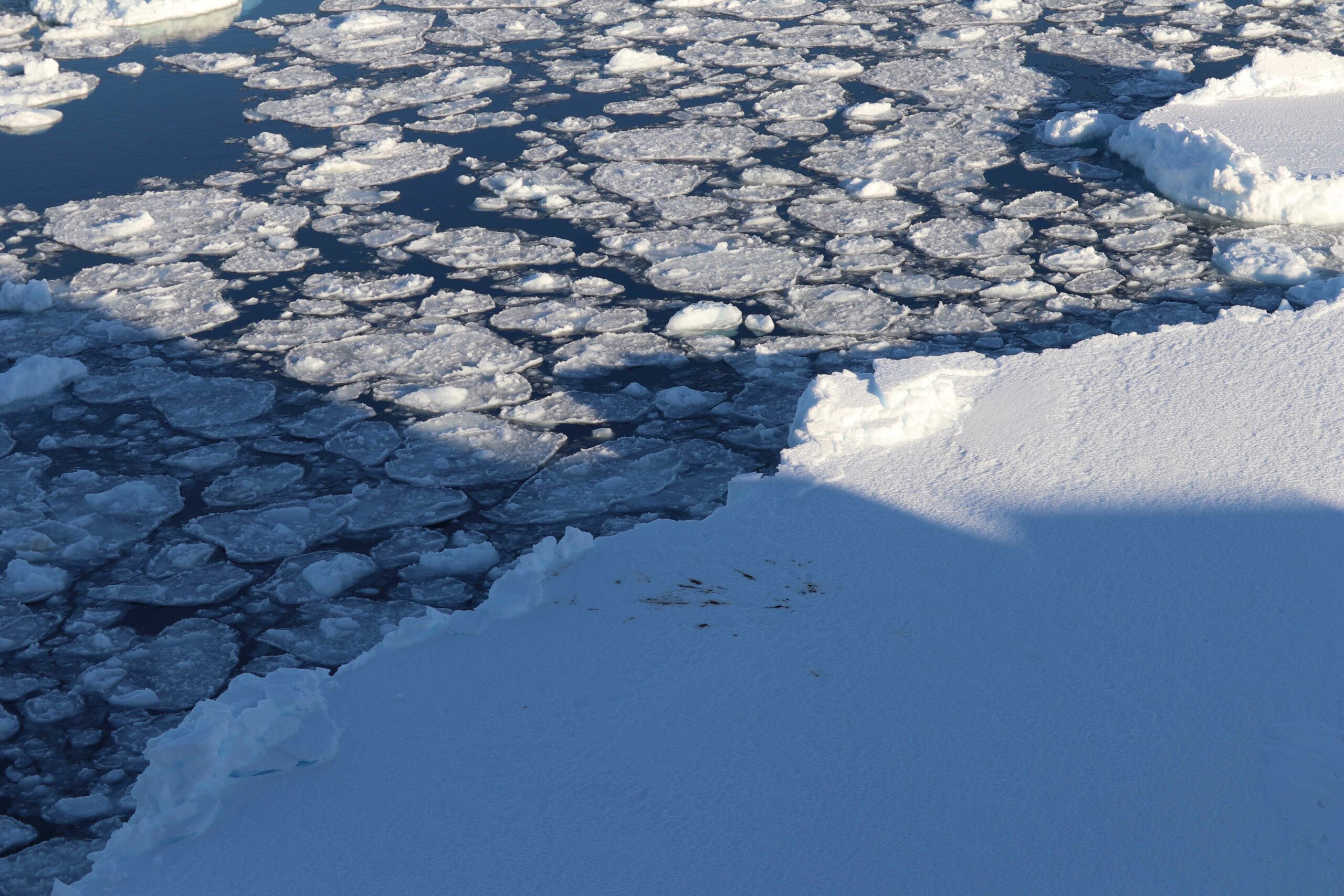
Sea ice can help shape phytoplankton growth by influencing the surface ocean. As it melts, it can release nutrients, including iron, and freshen the upper ocean, helping create conditions that favour blooms. These processes appear strongest closer to Antarctica and weaker farther north in more open-ocean frontal zones.
According to Dr Golder, the results suggest that these processes may leave an ecological “memory” that persists beyond a single season.
"Sea ice doesn't just melt and disappear," Dr Golder said.
"When there is more ice, it helps create a stable surface layer and releases nutrients such as iron. Those effects can linger and precondition the ocean for the following growing season, which is why we think there is such a strong connection between sea ice and chlorophyll."
Discovering a hidden connection
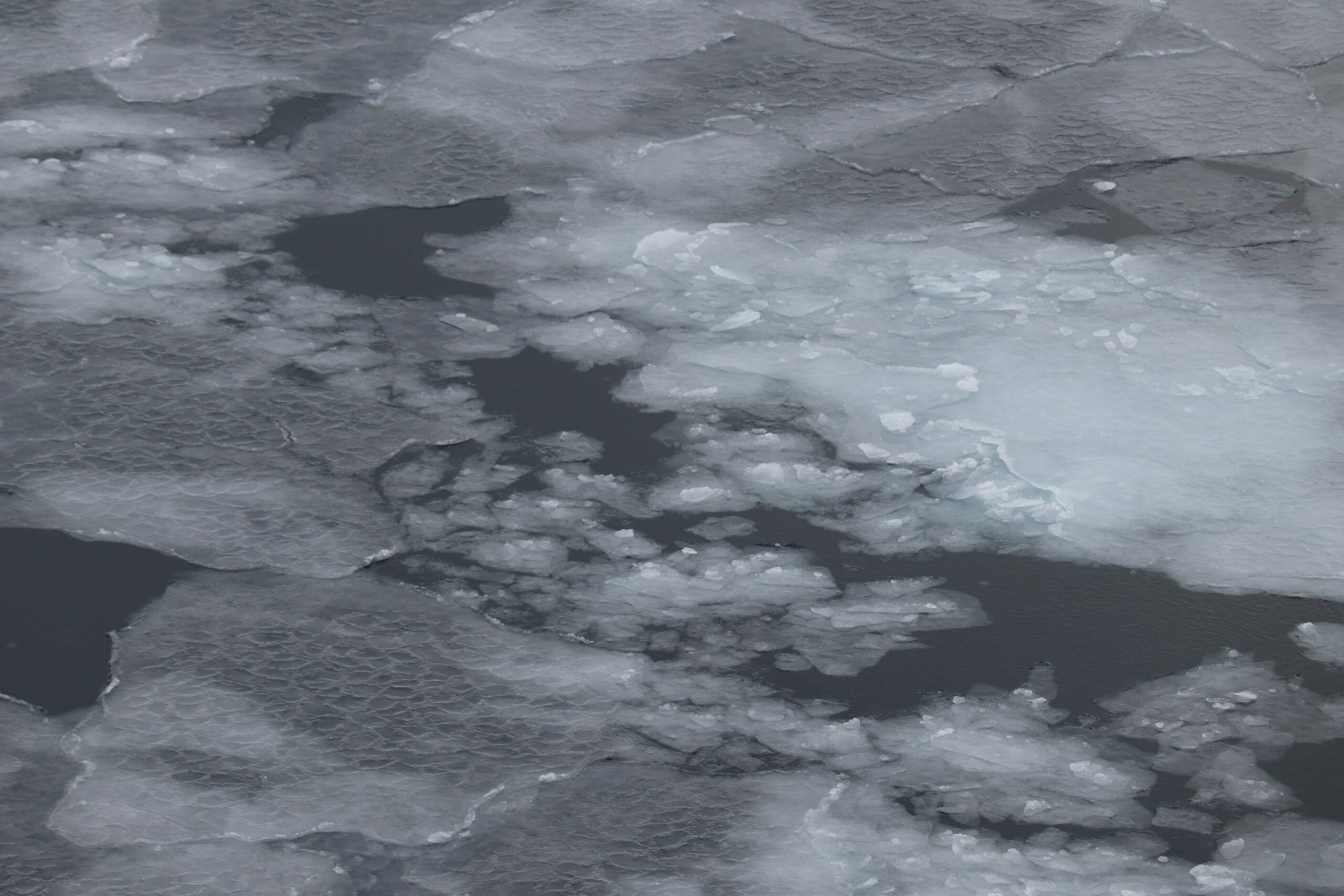
The researchers examined phytoplankton productivity across major Southern Ocean frontal zones, regions where different water masses meet and which are known hotspots of biological activity.
While previous studies have explored broad links between sea ice and phytoplankton across the Southern Ocean, this study resolves that relationship across major frontal zones. The strongest associations occurred closest to Antarctica, while the relationship weakened further north, showing that sea-ice change is unlikely to affect Southern Ocean productivity uniformly.
The paper’s co-author, ACEAS Chief Investigator Professor David Antoine, also based at Curtin University, said the study highlights how closely connected physical and biological processes are in the Southern Ocean.
"Antarctic sea ice is often viewed simply as an indicator of climate change, but our findings suggest it is also linked to how the Southern Ocean ecosystem functions from one year to the next," Professor Antoine said.
"Understanding these connections is important because changes at the base of the food web can ripple through the entire Southern Ocean ecosystem and affect the ocean's ability to absorb carbon from the atmosphere."
A possible low-ice, low-productivity pattern after 2015
One of the study's most striking findings was the pattern that emerged after 2015.
The researchers found that Antarctic sea-ice extent declined by about 8 per cent after 2015, while chlorophyll-a declined by roughly 3 to 7 per cent across the frontal zones studied. The pattern was most pronounced in regions closest to Antarctica and includes the record-low sea-ice conditions experienced in 2023.
The findings point to the possible emergence of a “low-ice, low-productivity” pattern, although the authors note that the 26-year satellite record is still relatively short for confirming a long-term regime shift. For Dr Golder, that trend raises important questions about the future of the Southern Ocean.
"This is definitely concerning," Dr Golder said.
"It signals that the system is changing, and we need to better understand what is happening."
Why this matters beyond Antarctica
The study shows that changes in Antarctic sea ice may be linked not only to the physical state of the climate system, but also to the biological foundation of Southern Ocean food webs. If low-ice conditions become more common, the consequences could extend from microscopic phytoplankton to carbon uptake and ecosystem productivity across the region.
Continued satellite and biogeochemical monitoring will be essential for understanding whether these emerging links strengthen, weaken or reorganise as Antarctic sea ice continues to change.
READ THE PAPER: Antarctic Sea-Ice Extent Anomalies Impact Interannual Variability of Phytoplankton Chlorophyll-a in Southern Ocean Frontal Zones
CITATION: Golder, M. R., & Antoine, D. (2026). Antarctic sea-ice extent anomalies impact interannual variability of phytoplankton Chlorophyll-a in Southern Ocean frontal zones. Geophysical Research Letters, 53, e2026GL123800. https://doi.org/10.1029/2026GL123800
Stay connected
For more Antarctic news and stories, subscribe to our mailing list here.