How to drill an ice shelf – and why
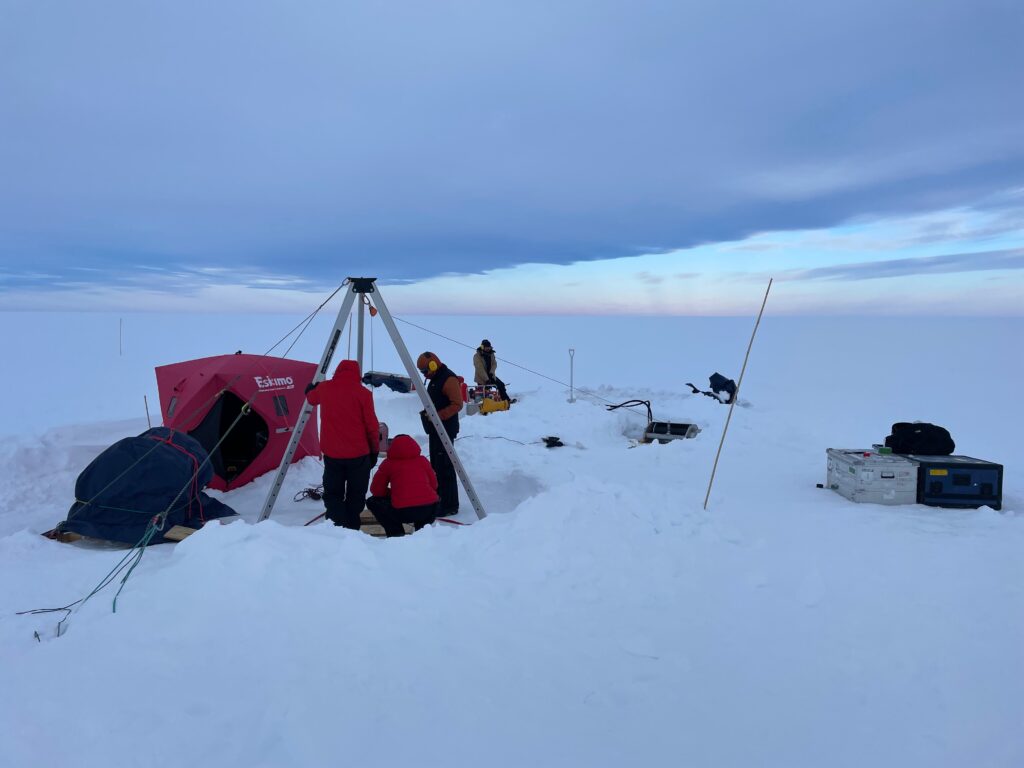
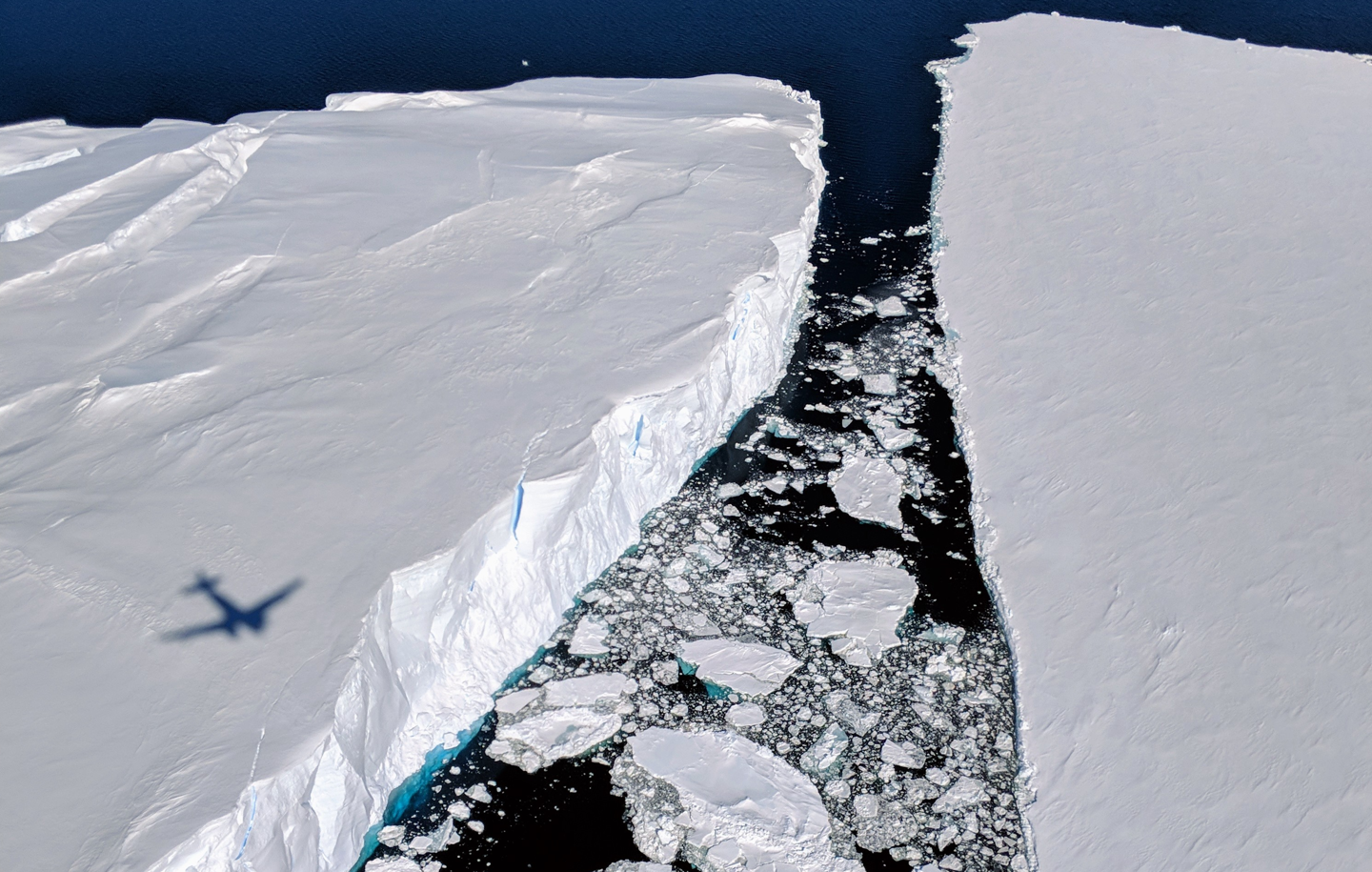
A key activity of last summer’s Denman Terrestrial Campaign (2023/24) was using a hot water drill on the Shackleton ice shelf to try and reach the ocean below.
Why? The Denman Glacier is one of the fastest retreating glaciers in Australian Antarctic Territory. It’s fate depends on the future stability of the Shackleton ice shelf. Knowing more about the oceanographic conditions under the ice shelf—and how they interact with the ice—helps improve the predictability of the emerging risks from Antarctica.
The drill team was composed of scientists from ACEAS (Dr Madi Rosevear and A/Prof Duanne White), the Australian Antarctic Program Partnership (AAPP) at the University of Tasmania, and the Australian Antarctic Division. They lived in their field camp on the Shackleton ice shelf for four weeks.
“Nobody has ever been here before, let alone camped here for a month.”
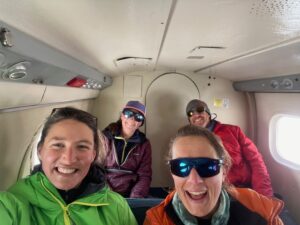
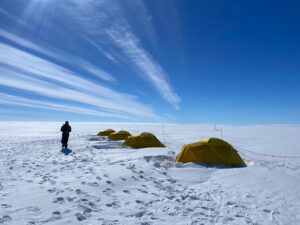
So, what was it like getting to and surviving in this remote, harsh and untouched part of the world? What was it like working there? And where did the hot water come from?
The following multimedia story produced by the AAPP gives an insight into the reality of what some of our scientists do out in the field:
https://aapp.shorthandstories.com/how-to-drill-an-ice-shelf/index.html