Chief Investigators
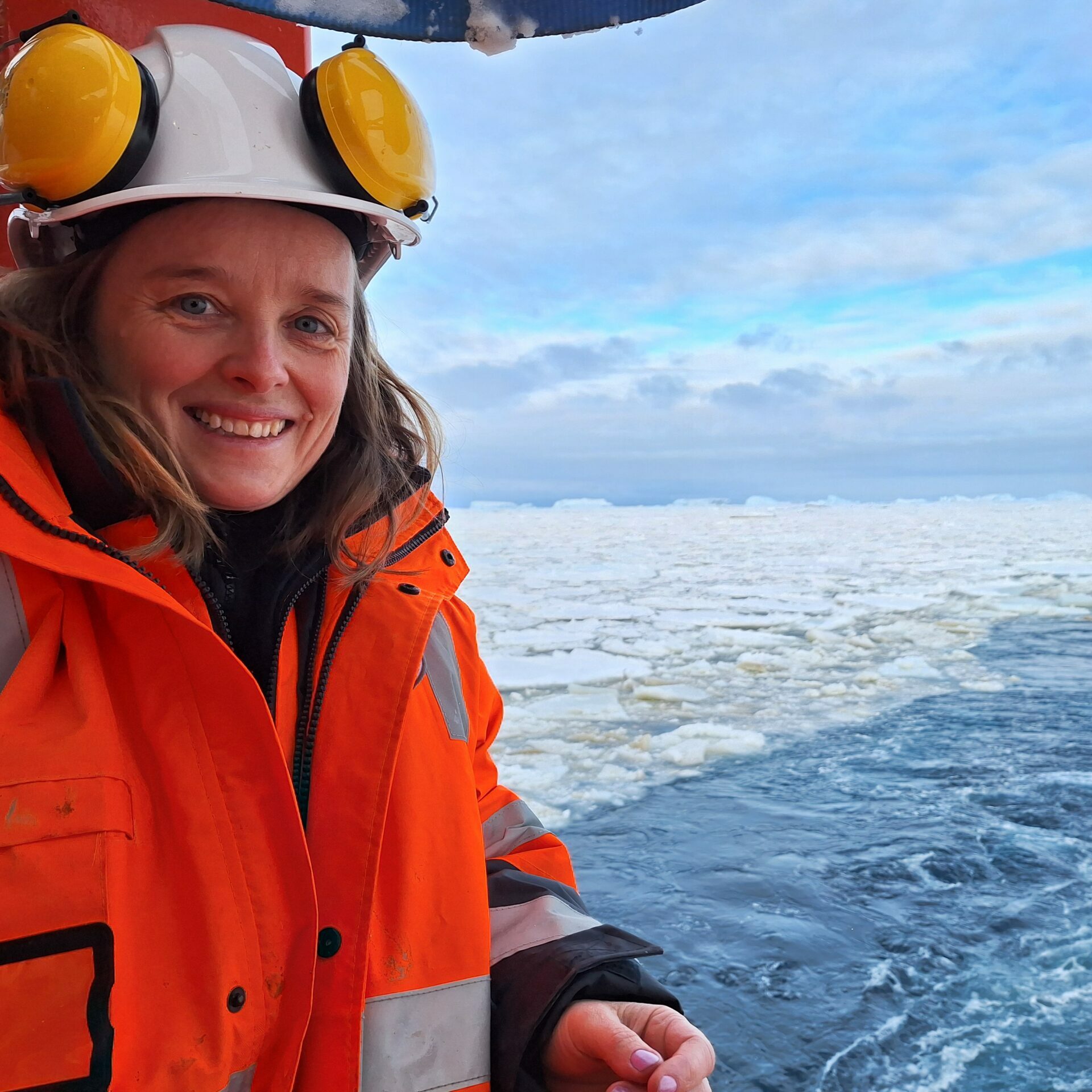
Jo Whittaker
UTas
Current ACEAS Activities:
Jo studies the processes driving plate tectonics. Her main interest is the movement of Australia away from Antarctica 35 million years ago—and how this influenced paleo ocean circulations.
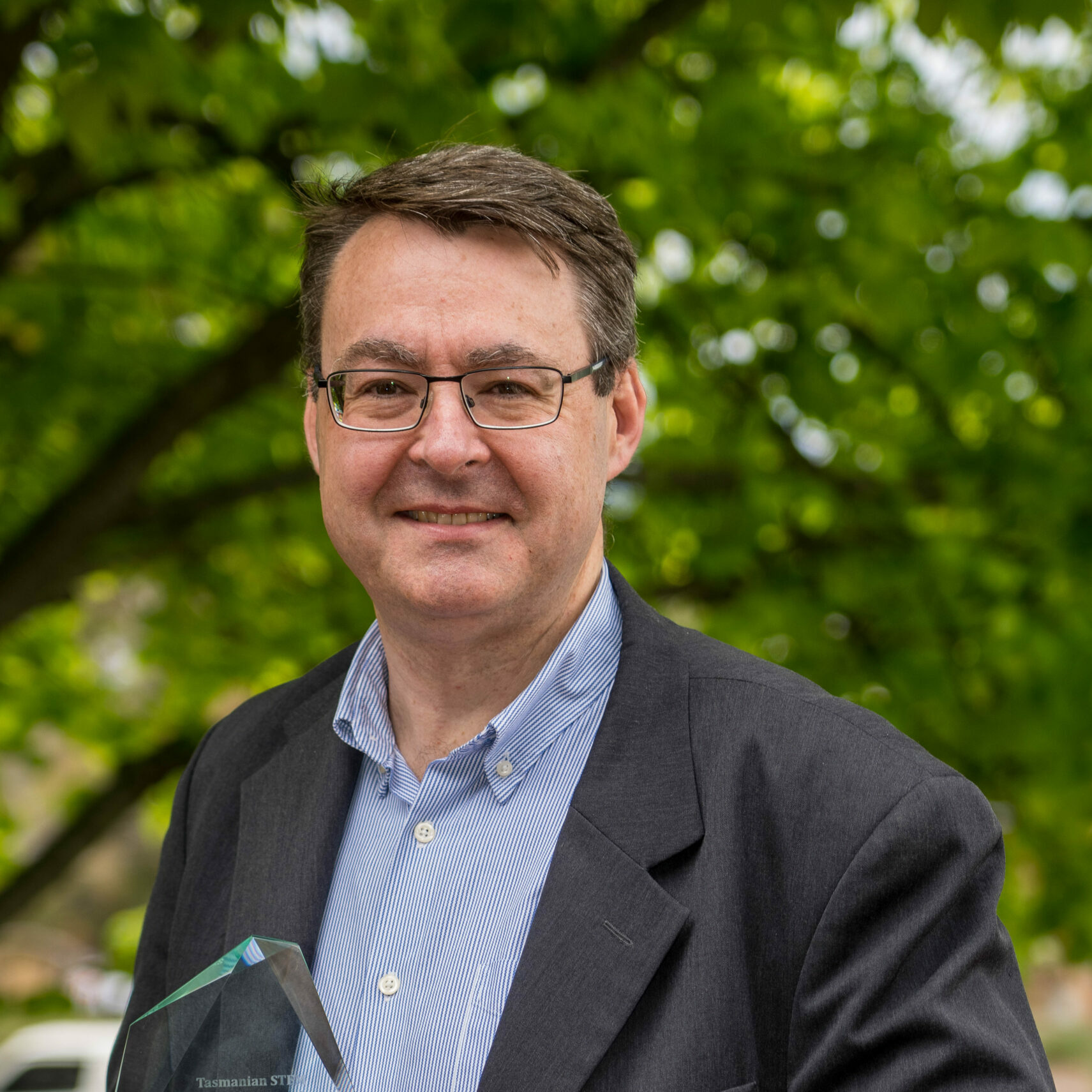
Matt King
UTAS
Current ACEAS Activities:
Matt looks at how and why the Earth changes shape across timescales of seconds to decades. His research informs a better understanding of the changing Antarctic Ice Sheet and sea-level rise.
Alan Aitken
UWA
Current ACEAS Activities:
Alan is an expert in applying integrated geoscience methods to increase the understanding of the tectonic processes that control continent architecture.
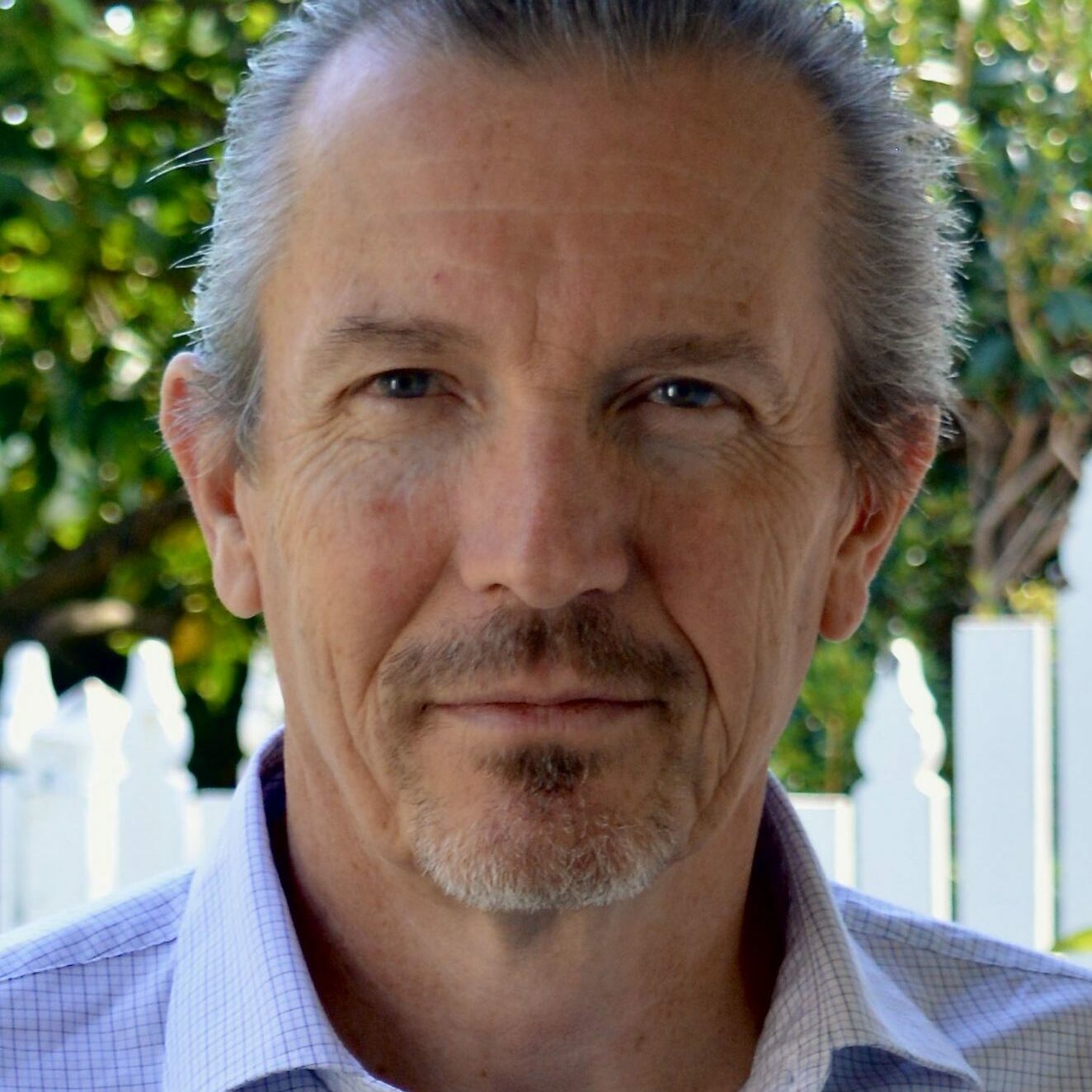
David Antoine
Curtin U
Current ACEAS Activities:
David’s interests include marine optics, bio-optics, radiative transfer and applications, satellite ocean colour remote sensing including atmospheric corrections, modelling of oceanic primary production from satellite ocean colour, and calibration/validation activities for satellite ocean colour missions.
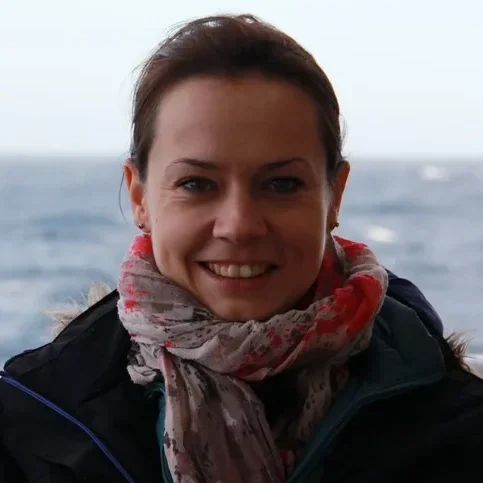
Linda Armbrecht
UTas
Current ACEAS Activities:
Linda is a marine biologist who specialises in paleo-genomics, in particular, the analysis of ancient DNA from the seafloor (sedaDNA) from around Antarctica.
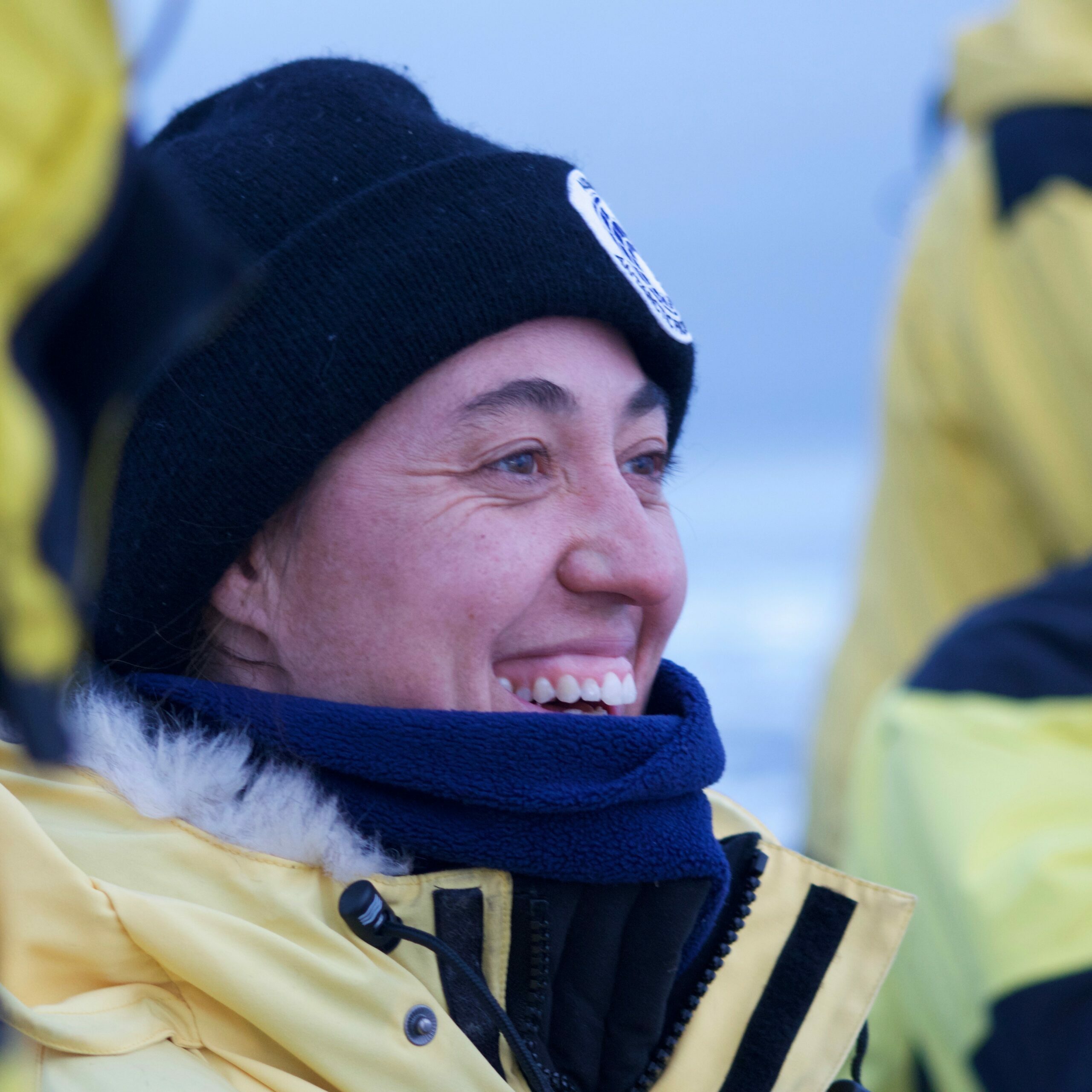
Sophie Bestley
UTas
Current ACEAS Activities:
Sophie is a quantitative Southern Ocean ecologist. She studies the processes driving productive marine habitats where migratory animals go to feed, linking ecosystems with ocean and ice dynamics in a changing climate.
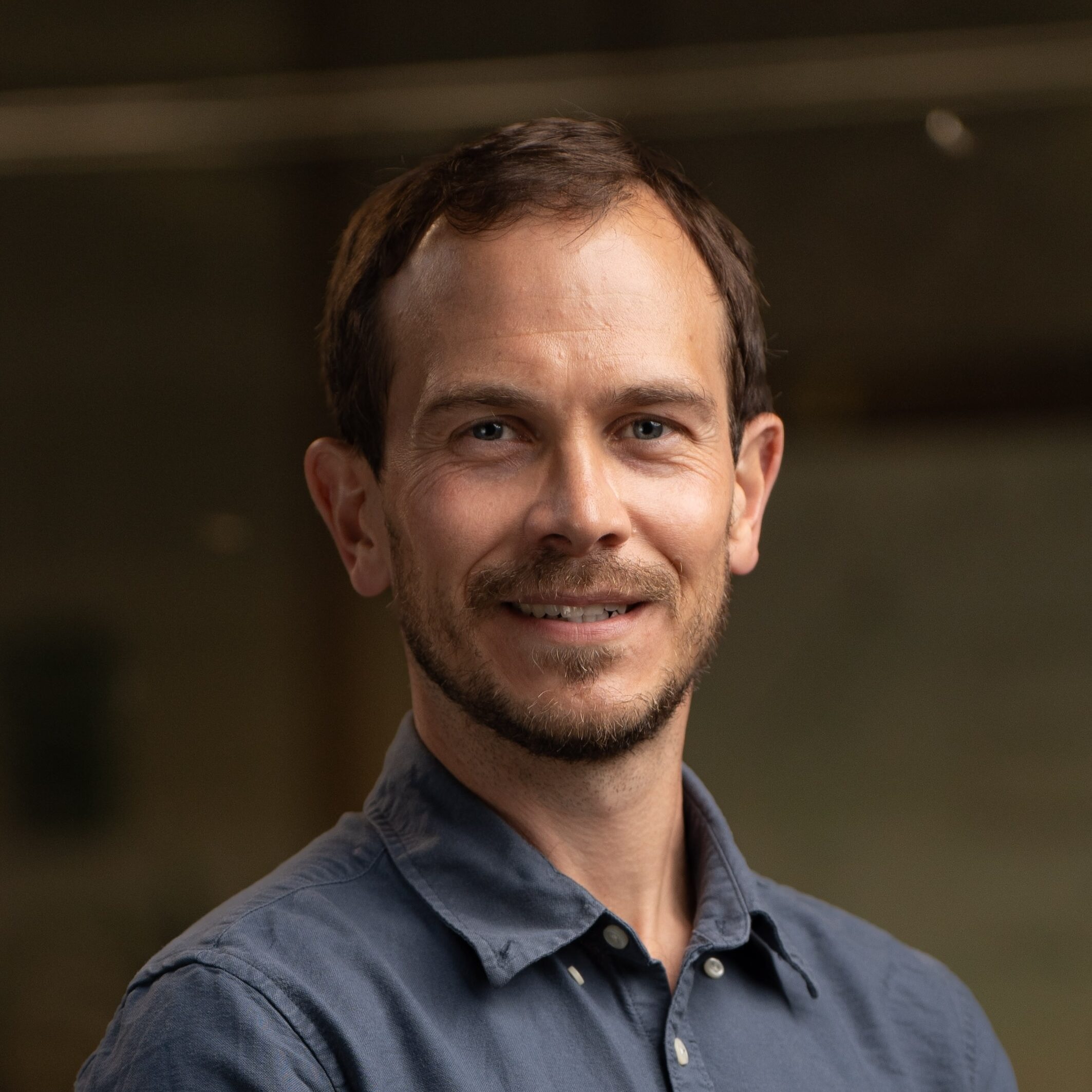
Luke Bennetts
U Melb
Current ACEAS Activities:
Luke’s research focuses on marginal ice zone dynamics, particularly ocean wave interactions with ice floes, and wave induced ice shelf calving events.
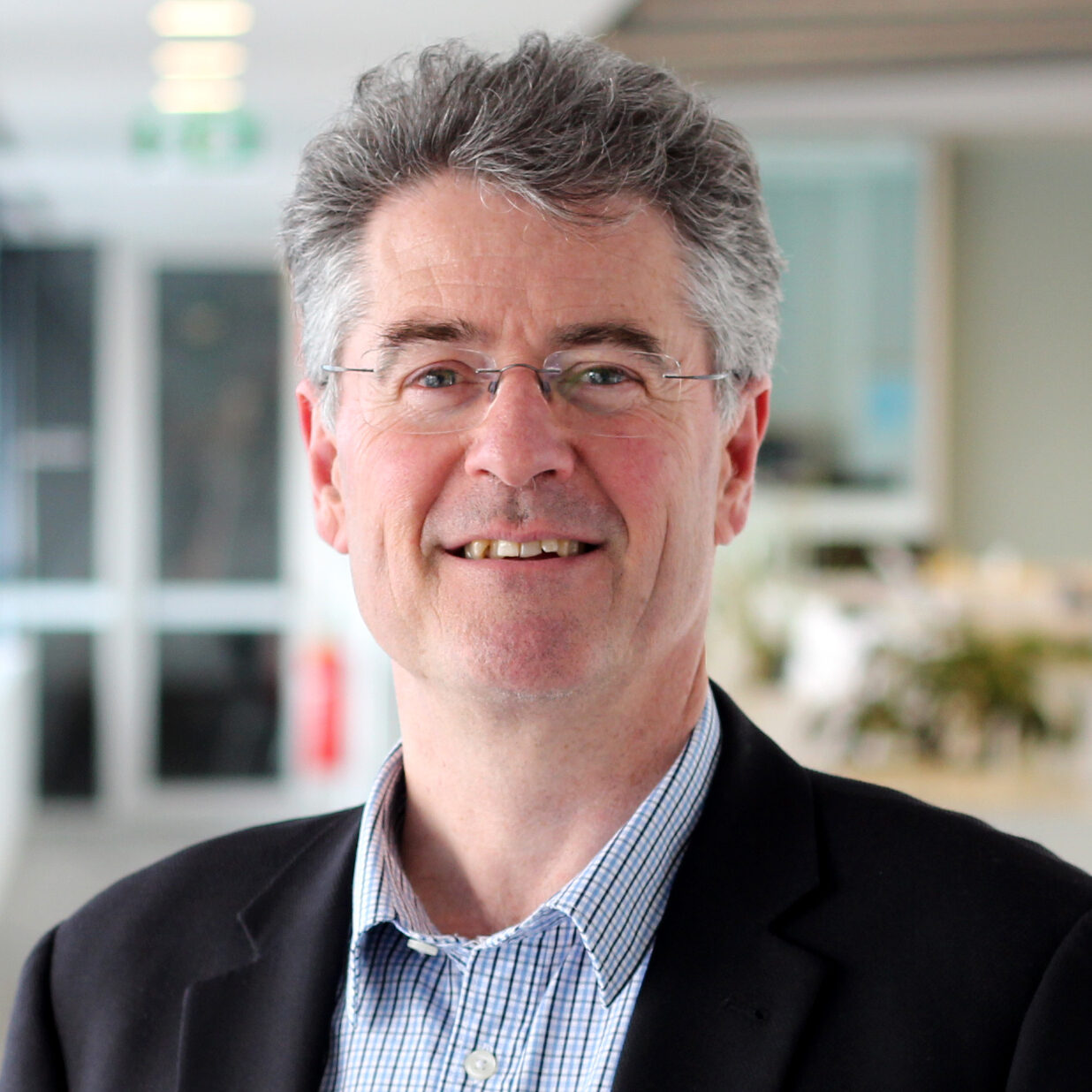
Nathan Bindoff
UTas
Current ACEAS Activities:
Nathan is one of the world’s leading climate scientists. As an expert in physical oceanography, he looks at how and why Earth has changed and what that means for the future.
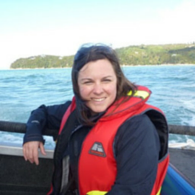
Julia Blanchard
UTas
Current ACEAS Activities:
Julia’s research covers global change ecology, biodiversity and ecosystems, and food security. She seeks to understand and predict how marine ecosystems respond to human-induced environmental change.
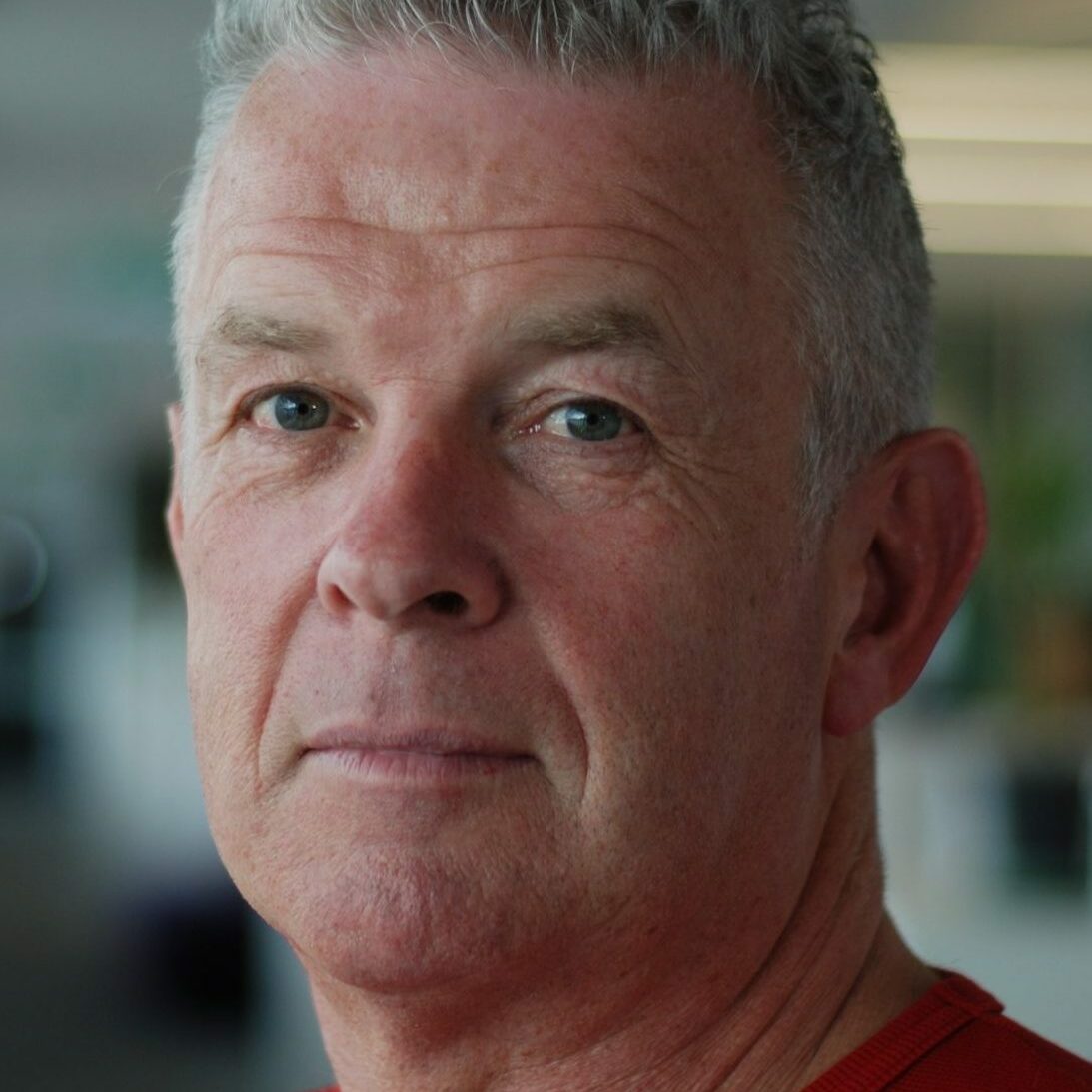
Philip Boyd
UTas
Current ACEAS Activities:
Philip’s research ranges from ecology to biogeochemistry. He co-develops decision support tools for climate change and geoengineering with economists and policy analysts.
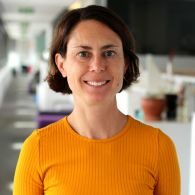
Zanna Chase
UTas
Current ACEAS Activities:
Zanna’s research focus is the interaction of chemical cycles and biological activity in the oceans. She looks at how these are affected by climate and the role of the Southern Ocean in long term climate change.
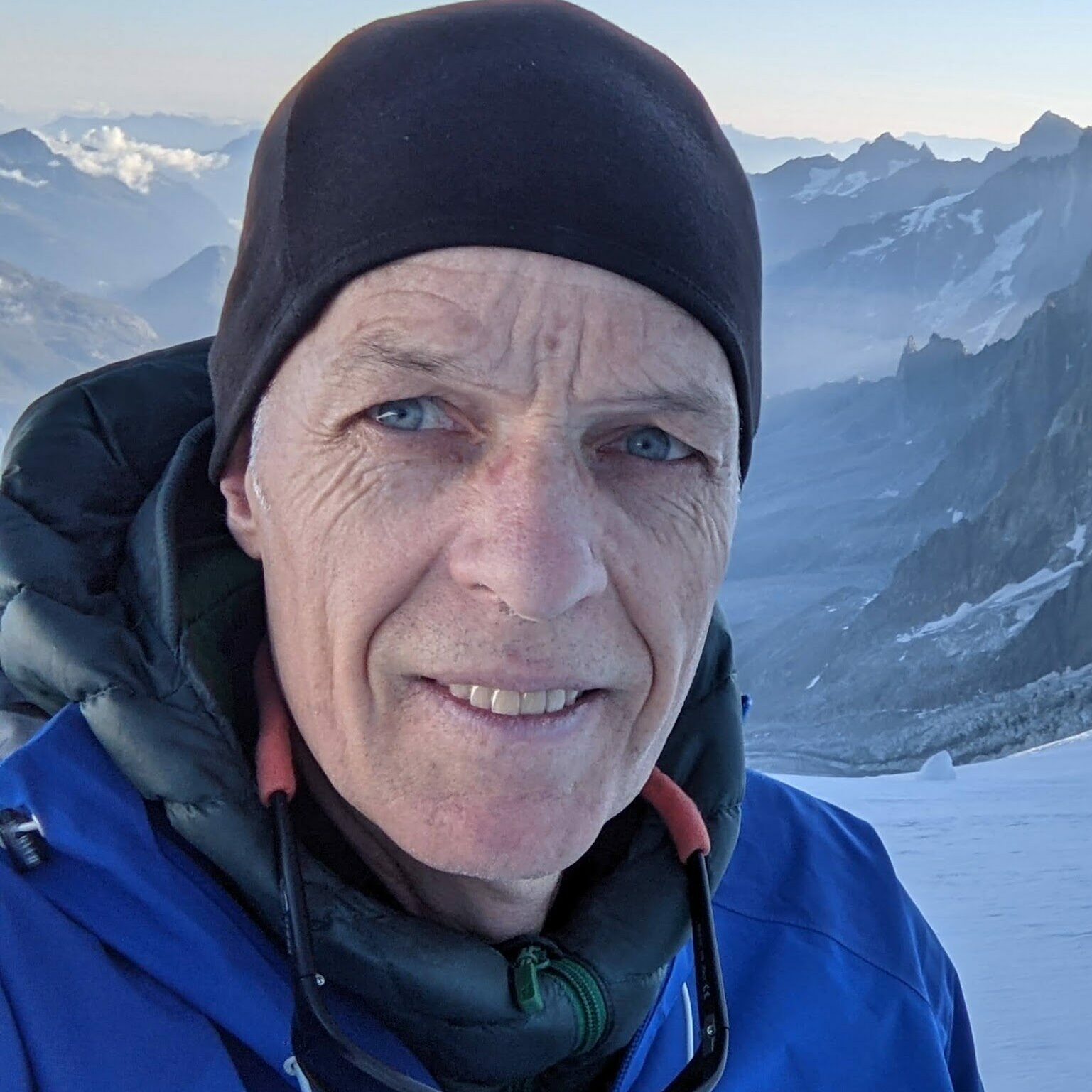
Poul Christoffersen
UTas
Current ACEAS Activities:
Poul’s research focusses on glacier flow, the subglacial interior of Antarctica and the ice sheet’s interaction with the Southern Ocean. His work contributes to a better understanding of sea level rise.
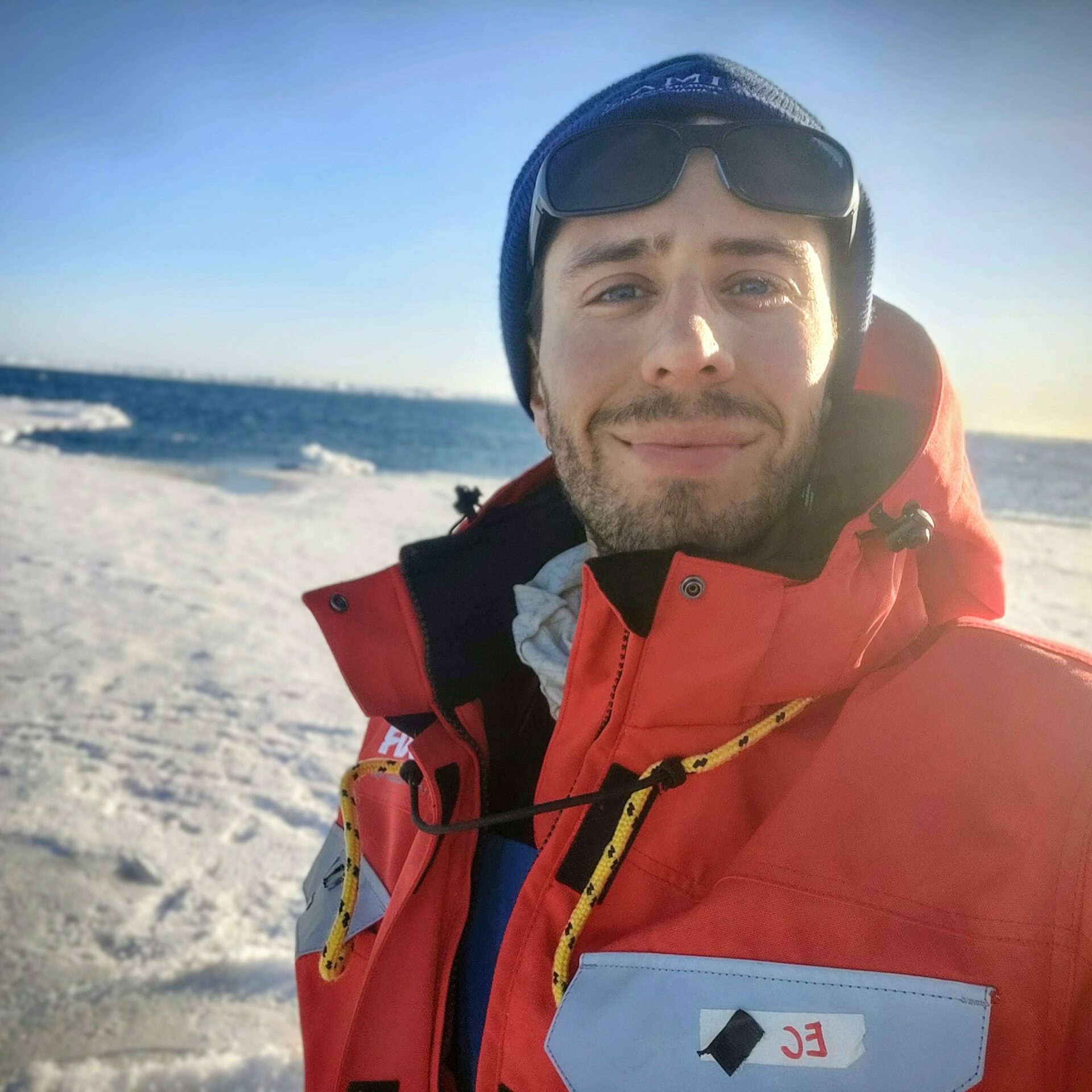
Emiliano Cimoli
UTas
Current ACEAS Activities:
Sea-ice algal biomass and cryogenic minerals are two poorly constrained properties of Antarctic sea ice that propagate directly into Southern Ocean estimates of primary production and carbon export. Ice-associated biomass and pigments are still quantified through destructive coring and melting, sparse in space and slow to process. Cryogenic gypsum, precipitating in sea-ice brines and increasingly hypothesised to ballast phytoplankton on release during melt, is even less well known, with no Antarctic assessment yet despite a seasonal ice cycle large enough to influence carbon export. My contribution to ACEAS is to make both measurable with the same tools.
Drawing on approaches from ocean colour and geological remote sensing, I am adapting shortwave-infrared hyperspectral imaging with machine learning and field-deployable computing to retrieve biomass, pigments and cryominerals from ice-core sections, filtered melt samples and under-ice survey, at the scales at which they vary. My ongoing contribution is methodological, proving these approaches so they are ready for the next round of national programs and voyages, and the resulting quantities feed Theme 2 estimates of Southern Ocean productivity and carbon export. Over 2026 to 2028 this delivers a led paper on the hyperspectral and AI/ML workflow, FAIR-archived imagery integrated into Seamap Antarctica, and an open-source code release. I will also deliver versioned SOPs, bring the new AAD Specim FX-fusion scanning station and ship-mounted camera into routine operation, and train students and staff so the capability is voyage-ready for the upcoming marginal ice zone campaign and aligned Antarctica InSync and BEPSII activities.
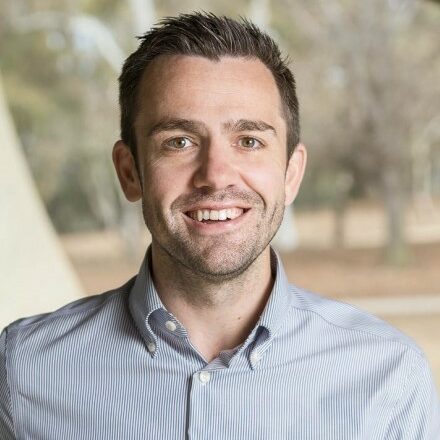
Rhodri Davies
ANU
Current ACEAS Activities:
Rhodri is a computational and observational geodynamicist, who researches links between the evolution of Earth’s surface and dynamical processes within its deep interior.
Michael Ellwood
ANU
Current ACEAS Activities:
Michael investigates microscopic plankton as well as the sources and distribution of nutrients in the Southern Ocean. The links between nutrients, productivity and CO2 are critical to understanding future climate change.
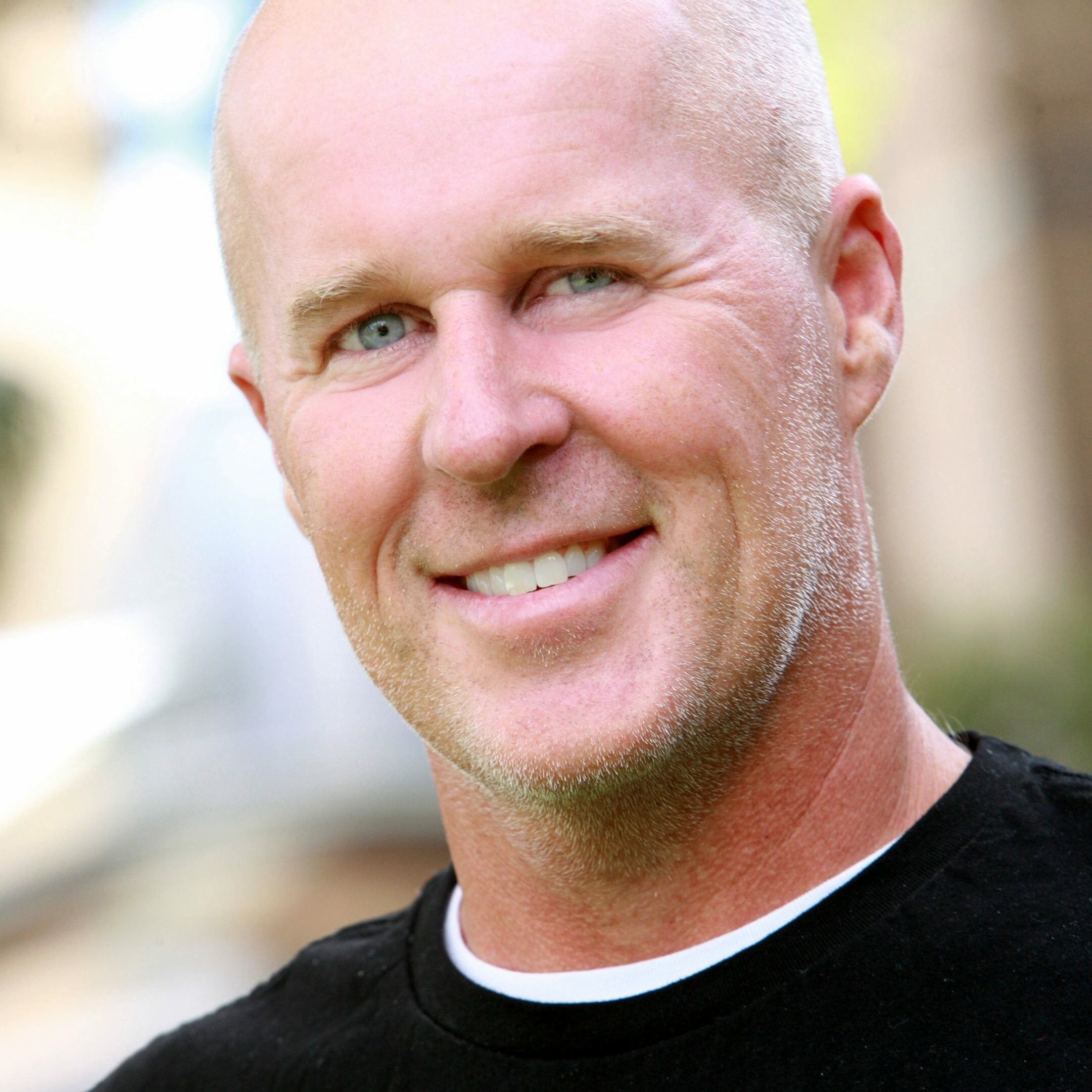
Matt England
UNSW
Current ACEAS Activities:
Matt’s research seeks to understand large-scale ocean circulation and its influence on regional and global climate—from the tropics to Antarctica—on timescales of seasons to millennia.
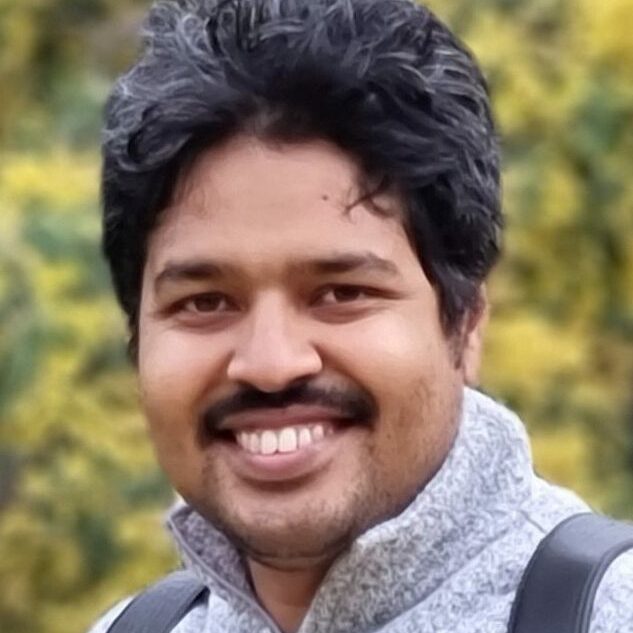
Bishakhdatta Gayen
U Melb
Current ACEAS Activities:
Bishakh's experience lies in geophysical fluid dynamics, physical oceanography and computational fluid dynamics. His current research interests are nonlinear internal waves in the ocean, turbulent convection, modelling of Antarctic ice melting and Southern Ocean dynamics.
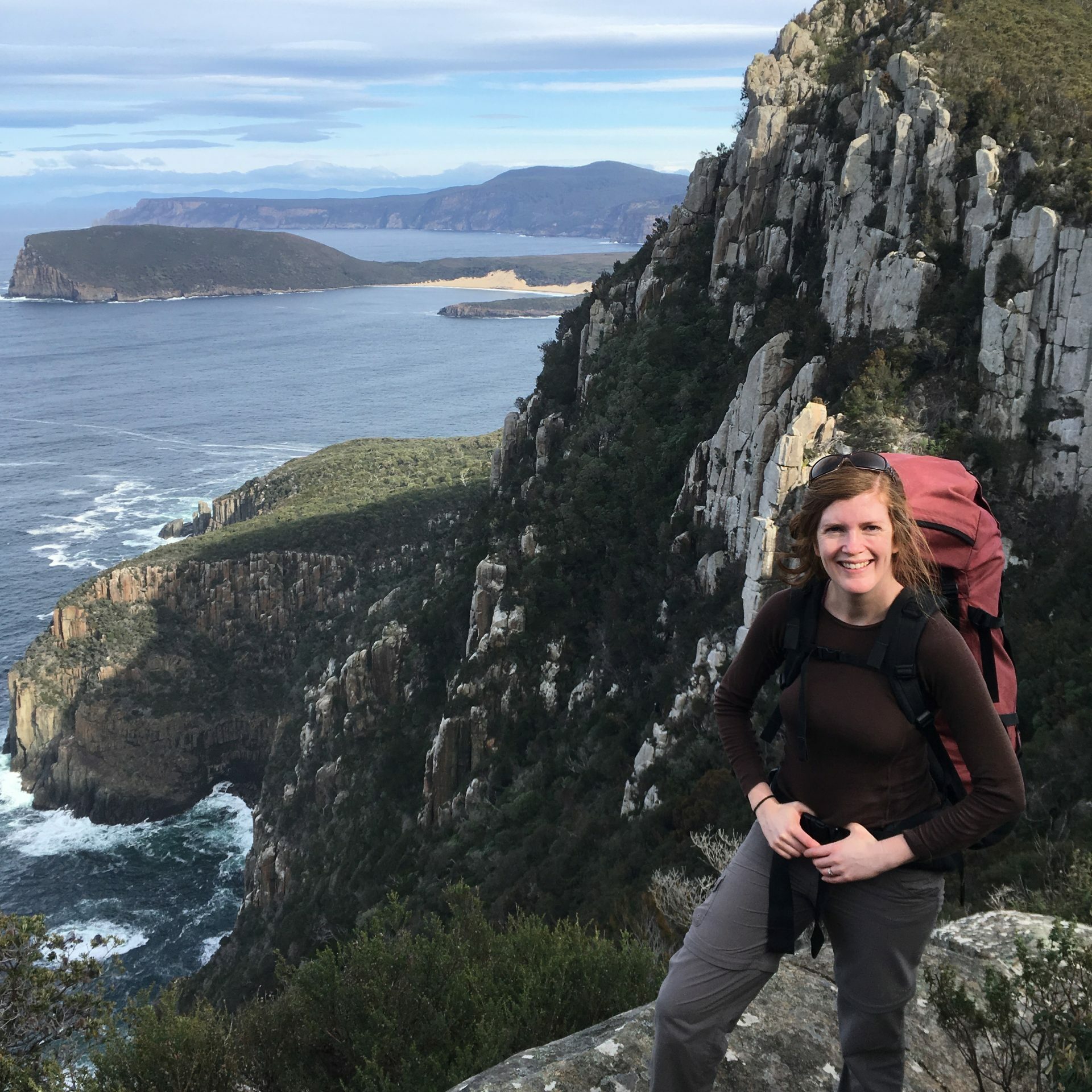
Jacqui Halpin
UTas
Current ACEAS Activities:
Jacqui focuses on understanding Earth’s tectonic processes and the evolution of the continents. Her research examines the dynamic processes occurring in the Earth's crust.
David Heslop
ANU
Current ACEAS Activities:
David’s research focuses on rock magnetism and its application to environmental problems. He is also working on a number of collaborative projects to develop statistical methods appropriate for palaeomagnetic and rock magnetic analysis.
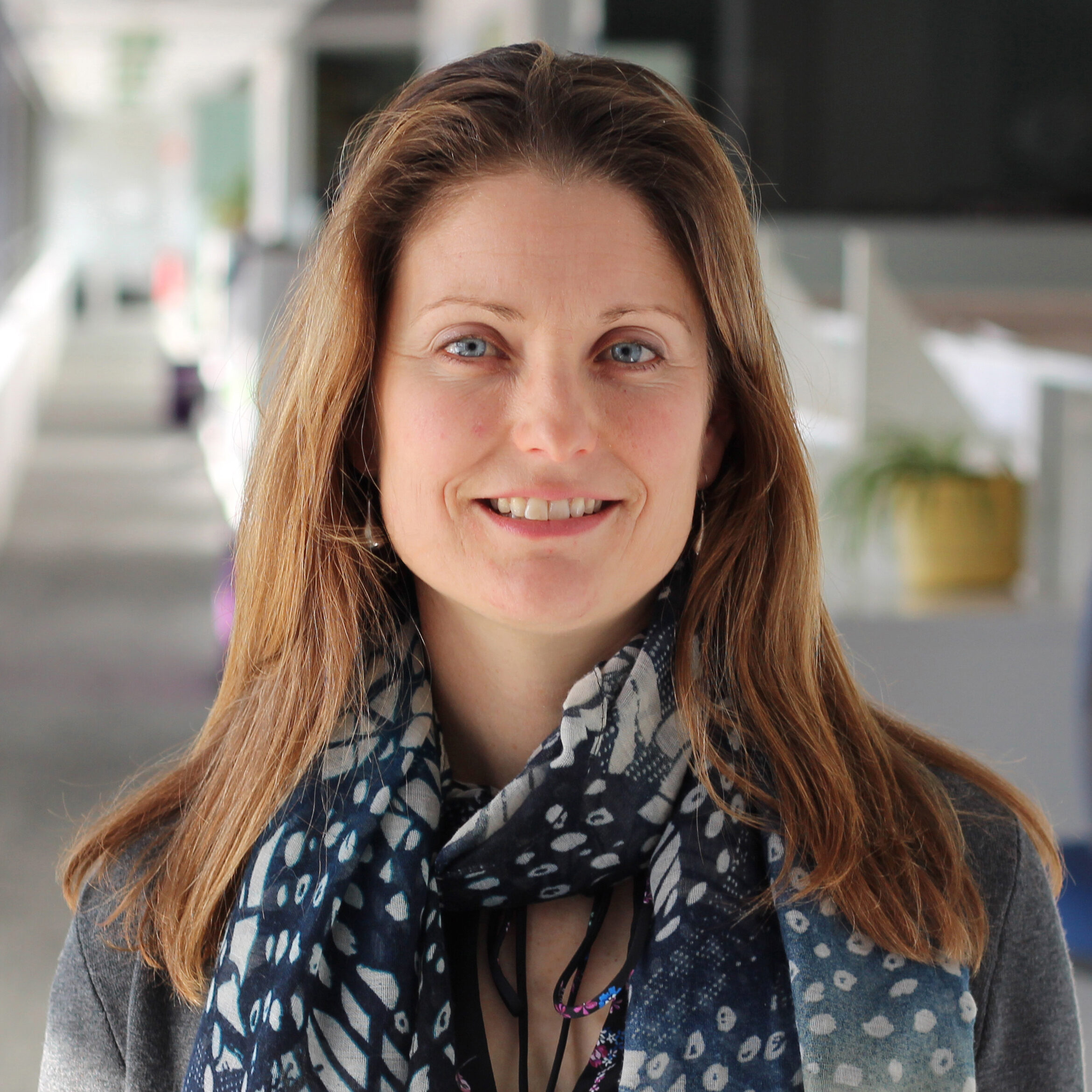
Nicole Hill
UTas
Current ACEAS Activities:
Nicole’s expertise spans a range of applied marine ecology topics. She focuses on understanding, quantifying and mapping biodiversity to support decision-making in the marine environment, including the Antarctic.
Delphine Lannuzel
UTas
Current ACEAS Activities:
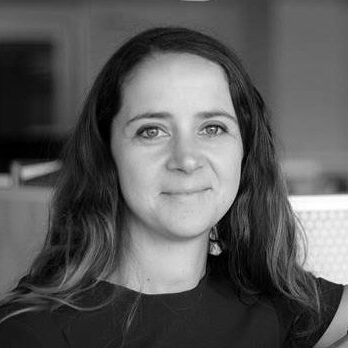
Delphine specialises in sea ice biogeochemistry. Her research on the iron cycle in sea ice is highly regarded across the globe.
Vanessa Lucieer
UTas
Current ACEAS Activities:
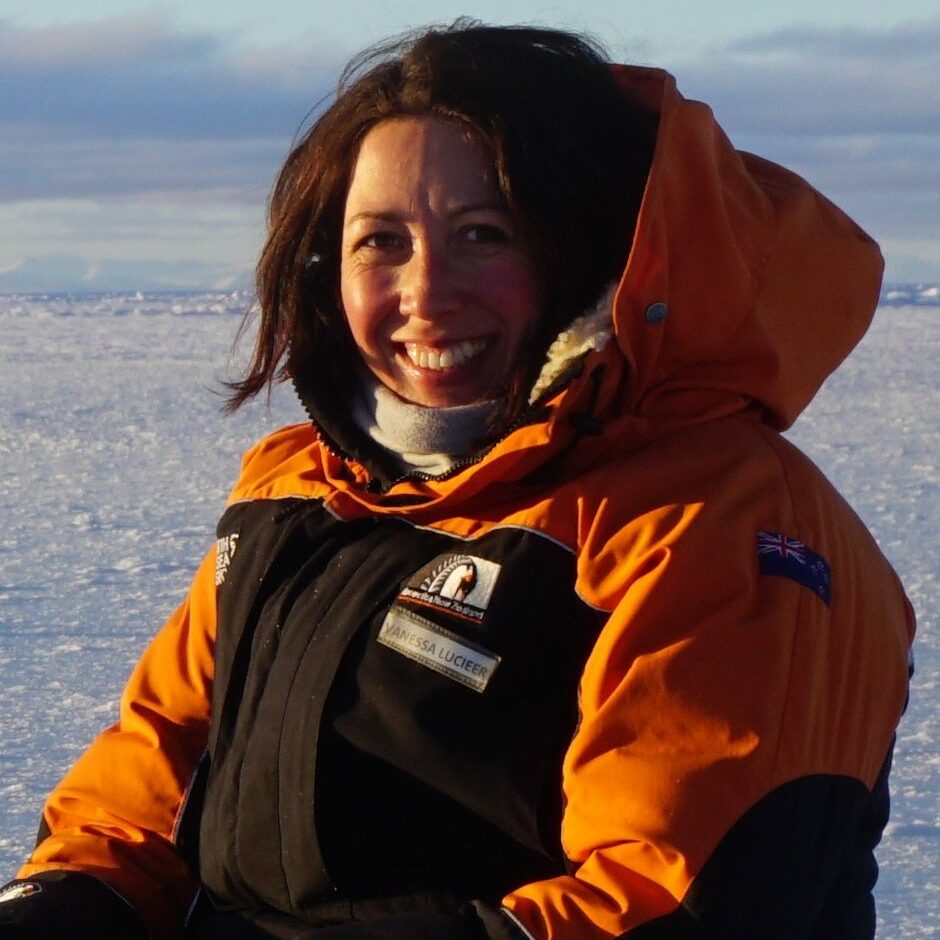
Vanessa develops spatial analysis methods to translate remotely sensed data into information to help better understand marine environments. Her goal is to advance the understanding of marine communities and improve the management of vulnerable environments.
Laurie Menviel
UNSW
Current ACEAS Activities:
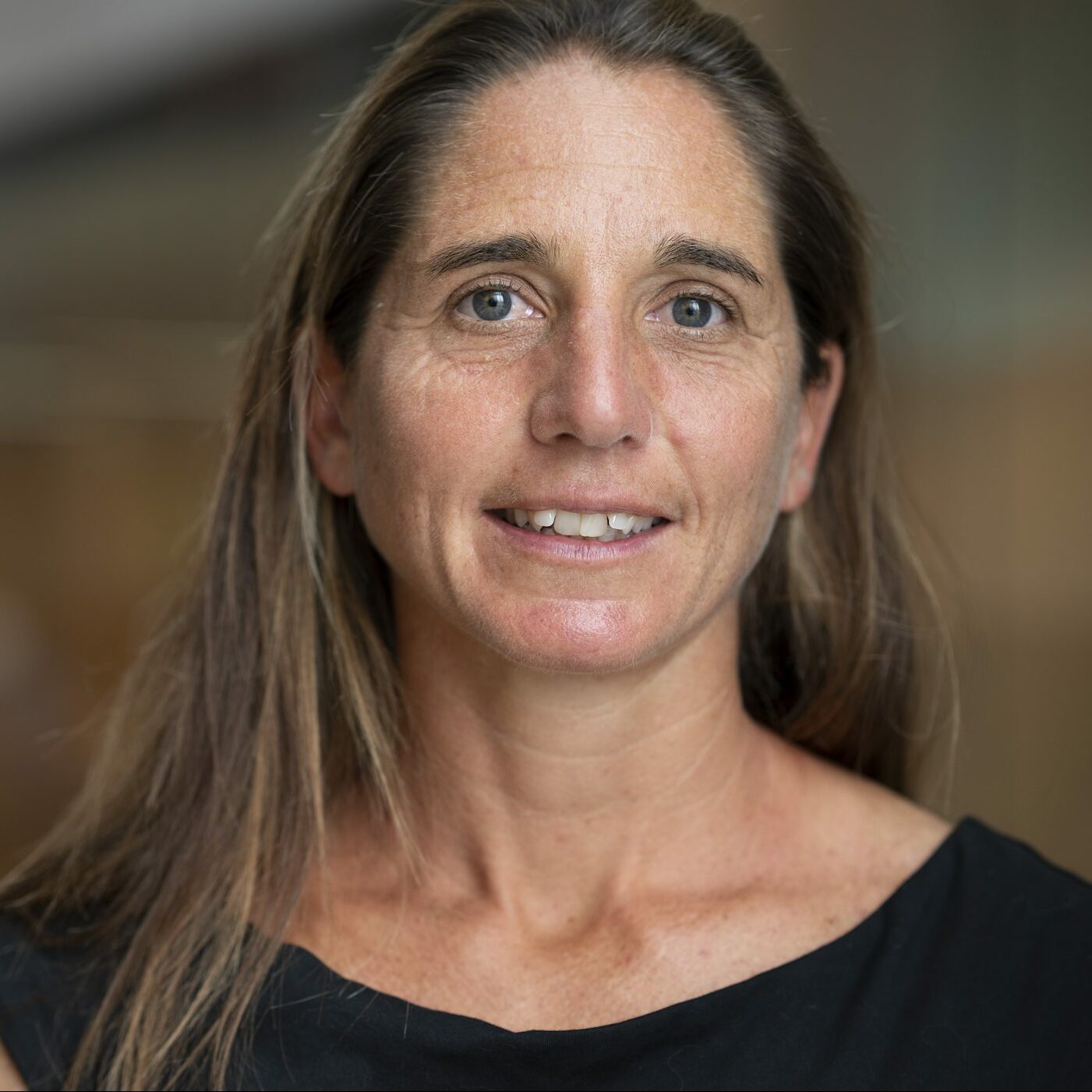
Laurie is interested in the impact of abrupt changes in ocean circulation on the climate and global carbon cycle.
Adele Morrison
ANU
Current ACEAS Activities:
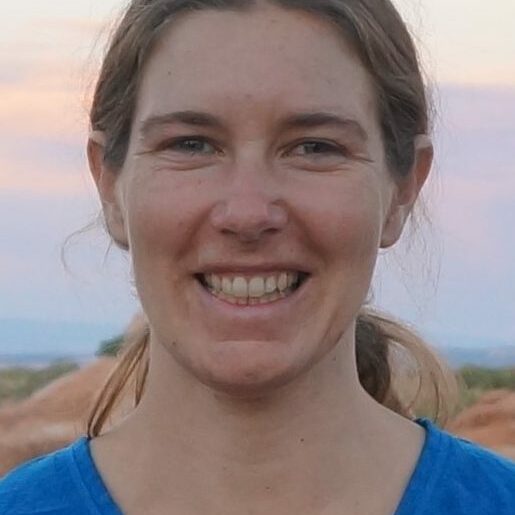
Adele investigates what drives the ocean's large-scale circulation and how changes in the past, present and future impact global climate. Her focus is the Southern Ocean and the melt rate of Antarctic ice shelves.
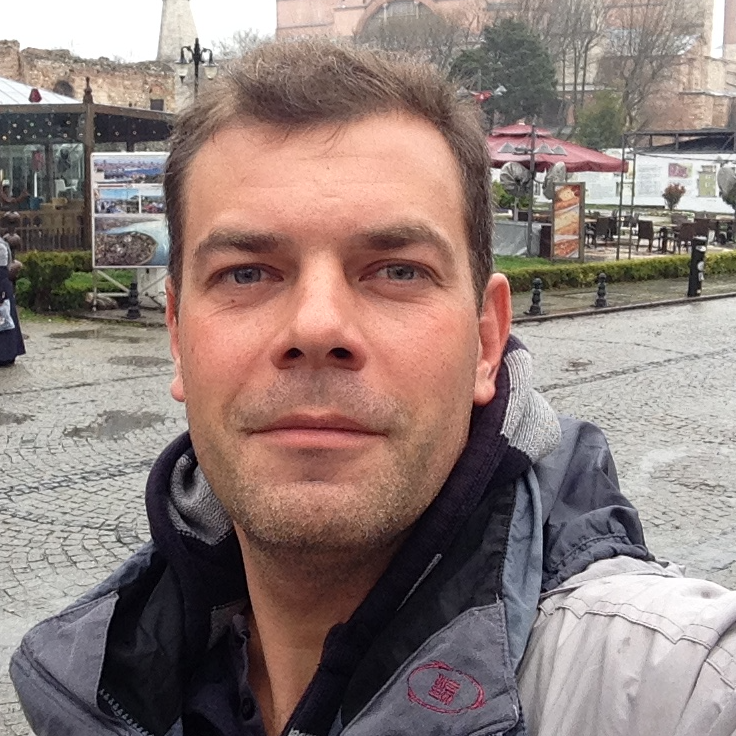
Max Nikurashin
UTas
Current ACEAS Activities:
Max uses a combination of theory, process-oriented and realistic global numerical simulations, as well as observations to understand fundamental physical processes in the ocean and their impact on the global circulation and climate.
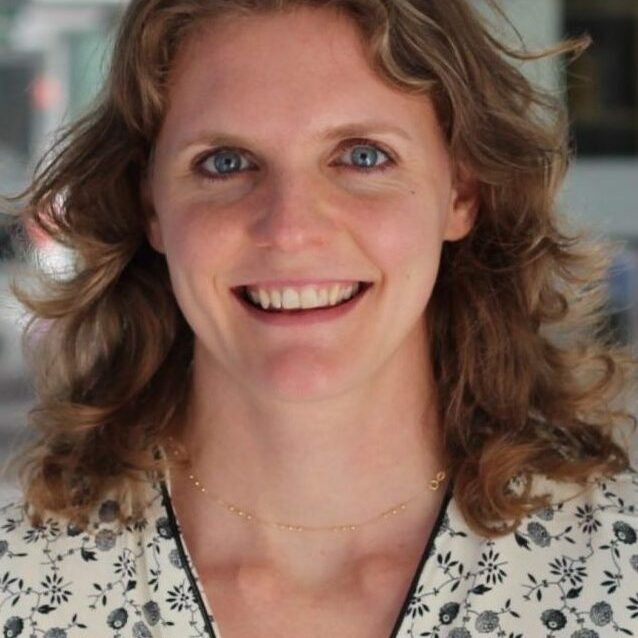
Taryn Noble
UTas
Current ACEAS Activities:
Taryn is an expert in geochemistry. Her palaeographic research seeks to understand the role ocean circulation had in melting the Antarctic ice shelves during Earth’s last deglaciation.
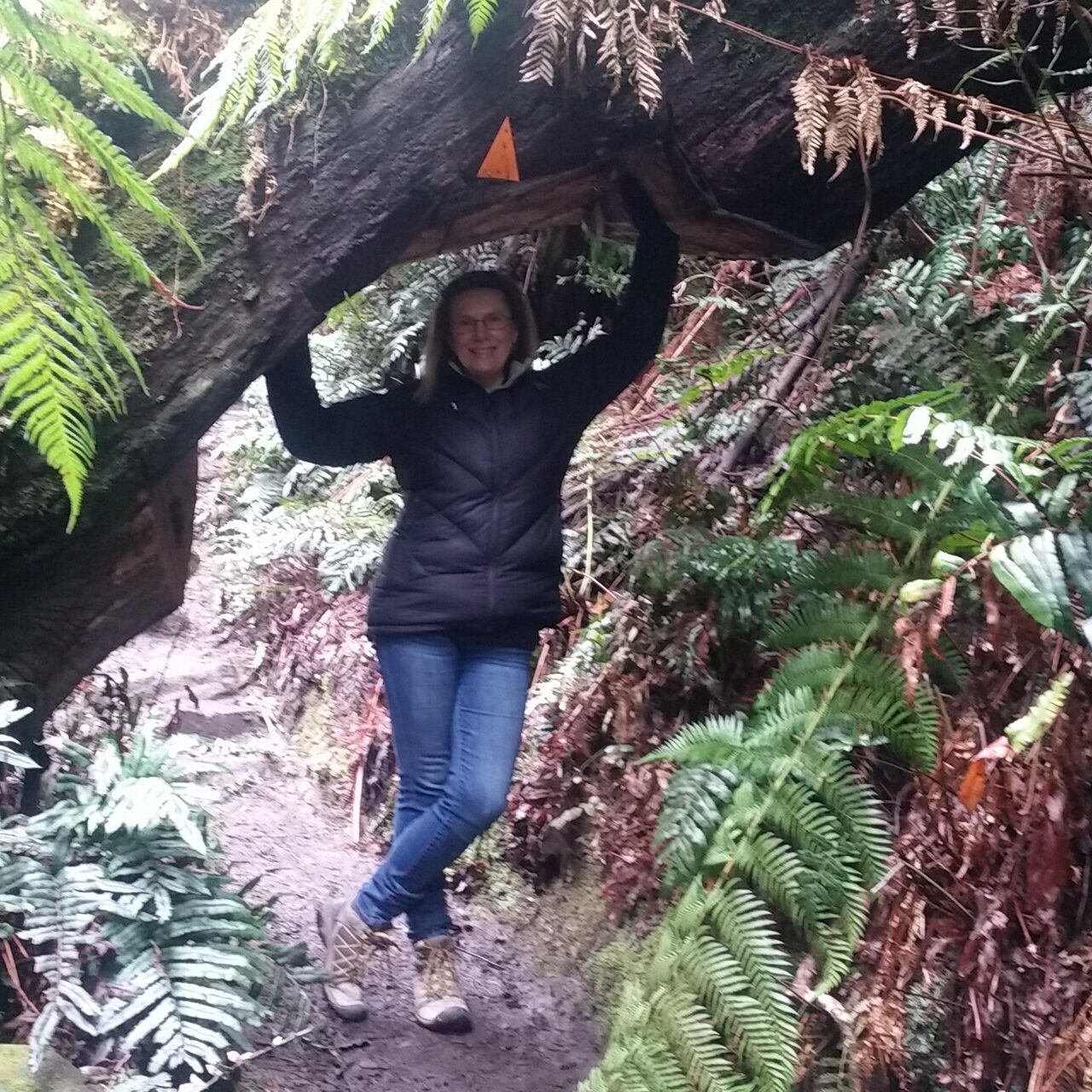
Helen Phillips
UTas
Current ACEAS Activities:
Helen is interested in how the small-scale features of the ocean, such as waves and eddies, affect the large currents. The currents are critical pathways for heat and other properties to spread through the ocean.
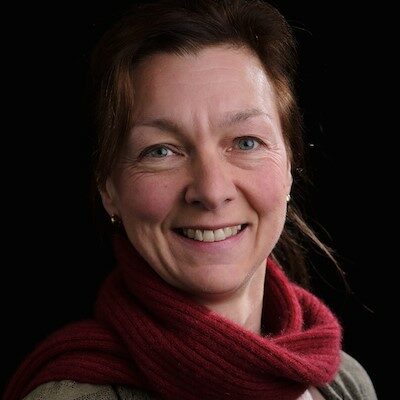
Anya Reading
UTas
Current ACEAS Activities:
Anya employs innovative approaches in data science to build on a foundation of experimental field seismology in challenging regions such as Antarctica. Her interdisciplinary research focuses on interactions between the deep Earth and ice sheets.
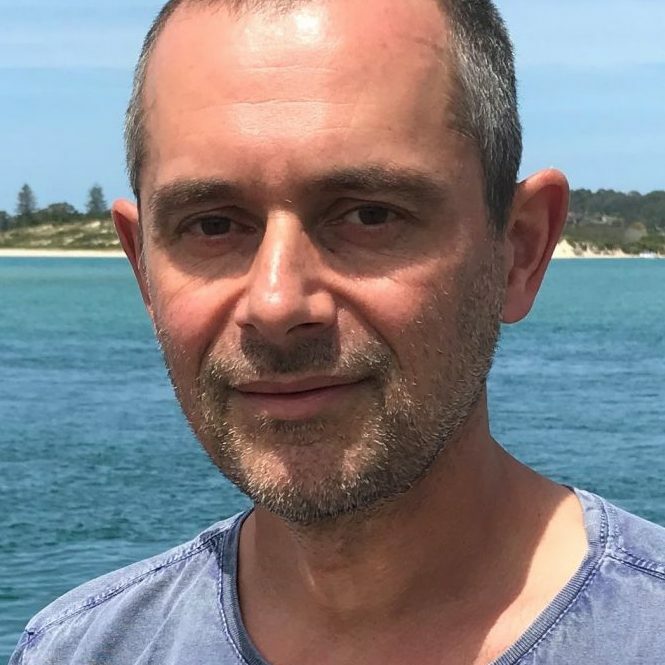
Alex Sen Gupta
UNSW
Current ACEAS Activities:
Alex examines the role of the ocean in the climate system, how the ocean influences regional climate, the influence of ocean change on biological systems and what global climate models tell us about the future of the ocean.
Paul Spence
UTas
Current ACEAS Activities:
Paul specialises in ocean climate modelling. He researches geophysical fluid dynamics, focusing on the ocean’s role in global climate.
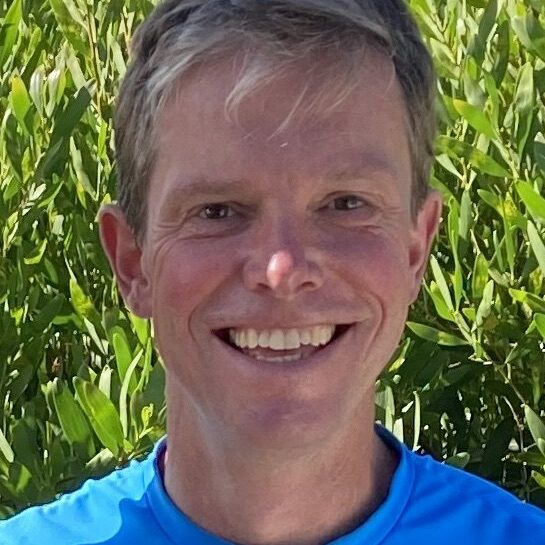
Pete Strutton
UTas
Current ACEAS Activities:
Pete examines the interaction of physical and biological processes in the ocean, exploring the consequences for ocean productivity and air-sea CO2 exchange.
Paul Tregoning
ANU
Current ACEAS Activities:
Paul uses space-geodetic observations to study changes in the Earth caused by geophysical processes such as tectonic deformation, tidal deformation, and climate-driven variations in sea level and polar ice caps.
Cat Vreugdenhil
U Melb
Current ACEAS Activities:
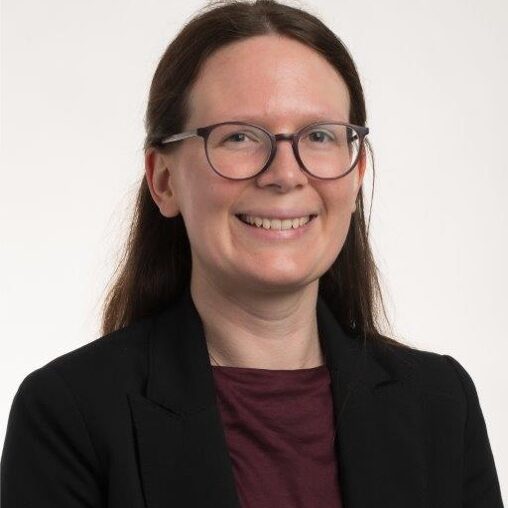
Dr Cat Vreugdenhil has research interests of Geophysical Fluid Dynamics and Oceanography. She is interested in Antarctic ice shelf/ocean interactions, ocean convection, and changes in heat and salt transport in the ocean.
Duanne White
U Canberra
Current ACEAS Activities:
Duanne is interested in the links between landscape, climate and critters, and how these have changed during the past 2 million years. He also generates records of past ice sheet changes to inform ice sheet model development and projections of future sea level rise.
Chen Zhao
UTas
Current ACEAS Activities:
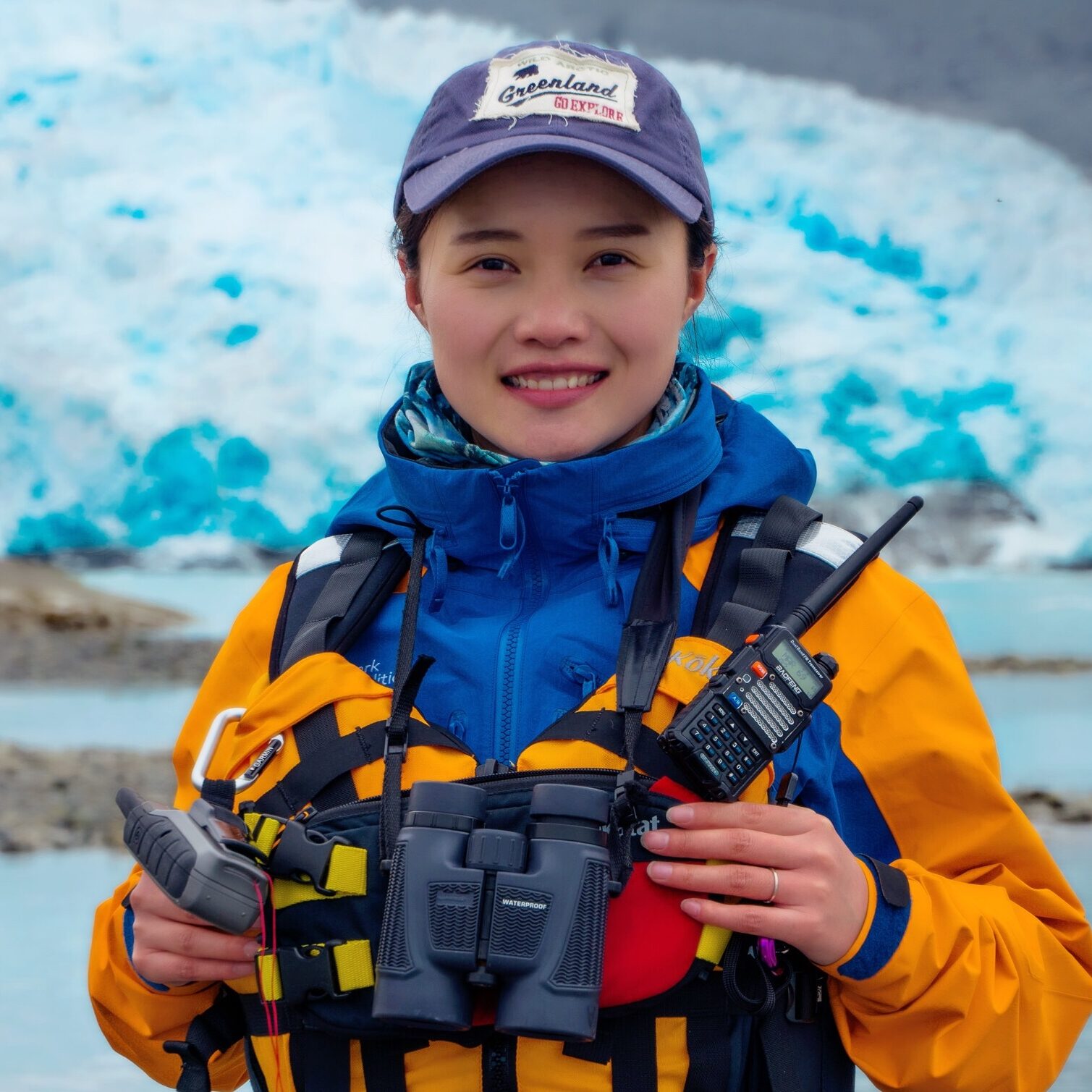
Chen is a glaciologist and an ice sheet modeller. Her research focuses on exploring the sea level contributions from the Antarctic Ice Sheet in a changing climate and assessing the impact of climate systems on large ice sheets with numerical modelling.
Jan Zika
UNSW
Current ACEAS Activities:
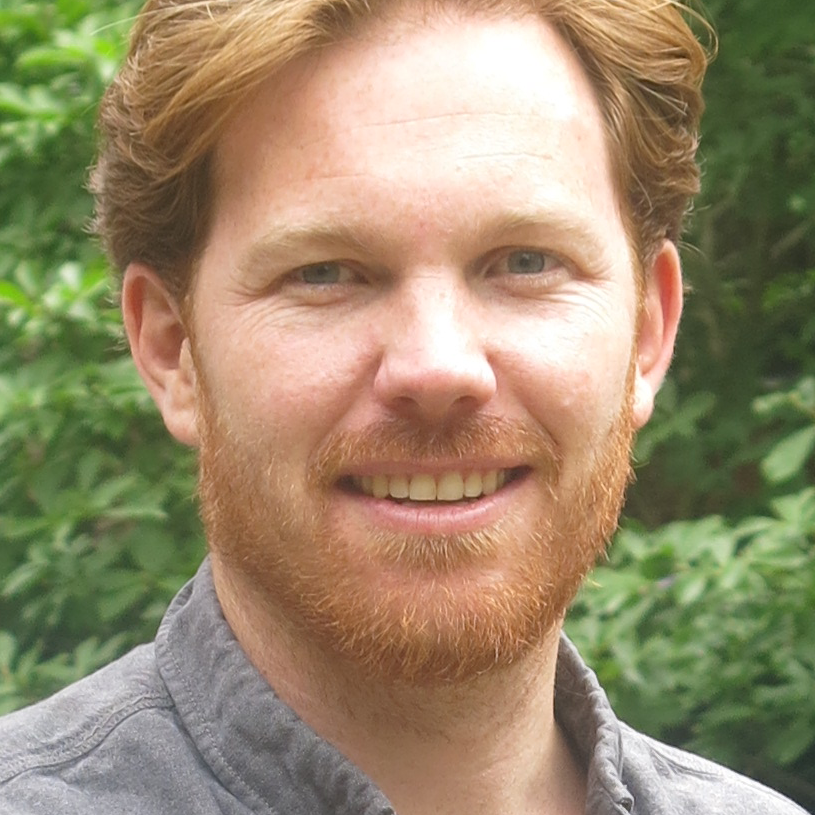
Jan is fascinated by the large-scale physics of the ocean and the role of water in the climate.